


Contact
- Pınarbaşı, 1. Zindankapı Sk. No:36, 16040 Osmangazi/Bursa
- info@allabouturkiye.com
Where Ancient Walls Tell Bursa's Story
| MMonday | Closed |
| TTuesday | 09:00 AM - 17:00 |
| WWednesday | 09:00 AM - 17:00 |
| TThursday | 09:00 AM - 17:00 |
| FFriday | 09:00 AM - 17:00 |
| SSaturday | 09:00 AM - 17:00 |
| SSunday | 09:00 AM - 17:00 |
Bursa Citadel: Explore the Ancient City Walls and Historic Heart of Bursa
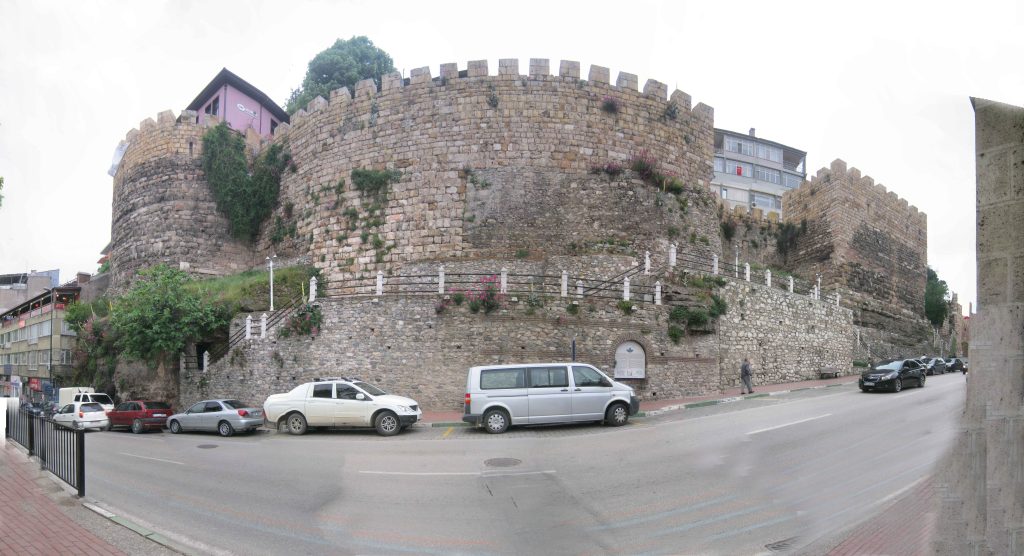
Rising above the historic centre of Bursa, Bursa Citadel, also known as Bursa Fortress or Bursa Hisarı, preserves the remains of the city’s ancient defensive walls, monumental gates and fortified towers.
Located around the historic Hisar and Tophane neighbourhoods, the citadel tells the story of Bursa long before it became an Ottoman capital. Its origins reach back to the ancient Kingdom of Bithynia, while its surviving structures reflect centuries of Roman, Byzantine and Ottoman construction and restoration.
Today, visitors can explore sections of the old fortifications, wander through atmospheric streets and enjoy panoramic views over Bursa.
For travellers interested in archaeology, architecture and Ottoman history, Bursa Citadel offers a fascinating journey through more than two thousand years of urban heritage.
History of Bursa Citadel
The Bithynian Origins of Bursa
The history of Bursa Citadel is traditionally traced to approximately 185 BC, during the reign of King Prusias I of Bithynia.
The ancient settlement was known as Prusa ad Olympum, referring to its location near Mount Olympus, today’s Uludağ.
According to historical tradition, the Carthaginian commander Hannibal, who sought refuge in Bithynia, was associated with the planning of the fortified settlement.
Although the precise details of the city’s foundation remain a subject of historical interpretation, the fortifications are widely connected with Bursa’s Bithynian origins.
The elevated position of the settlement provided natural defensive advantages and commanding views of the surrounding plain.
Roman and Byzantine Bursa
After Bithynia came under Roman control in the first century BC, Bursa continued to develop as an important regional settlement.
The defensive walls were maintained and altered during the Roman and Byzantine periods.
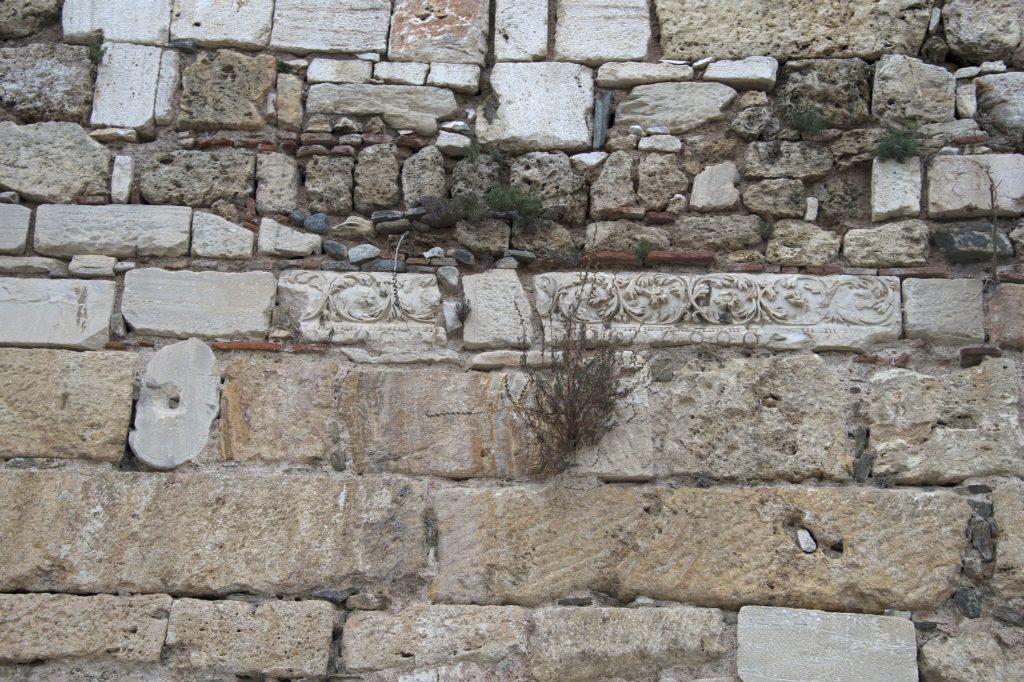
Their stonework incorporated architectural elements from earlier structures, creating a complex historical record within the fortifications themselves.
During the Byzantine era, the fortified city remained an important defensive centre.
Sections of the surviving walls, towers and gates preserve evidence of these successive periods of construction.
The Ottoman Conquest of Bursa in 1326
Bursa became an Ottoman city in 1326, when it was conquered under Orhan Gazi, the son of Osman Gazi.
The conquest marked a turning point in the history of the expanding Ottoman state.
Bursa subsequently developed into an early Ottoman capital and an important centre of administration, commerce, religion and culture.
The existing fortifications continued to serve defensive purposes and were strengthened or repaired during the Ottoman period.
New buildings, including mosques, tombs and administrative structures, gradually transformed the landscape within and around the old citadel.
Restoration and Preservation
Over the centuries, Bursa’s fortifications suffered damage from earthquakes, military conflicts, urban development and natural deterioration.
Significant restoration initiatives began in the 2000s, helping preserve and reconstruct important sections of the walls and historic gateways.
Today, Bursa Citadel remains one of the city’s most valuable surviving links to its pre-Ottoman past.
Architecture of Bursa Citadel
Ancient Defensive Walls
The historic fortifications once surrounded Bursa’s original urban settlement.
Historical descriptions give the wall circuit a length of approximately 3.4 kilometres, although measurements differ depending on which sections and historical phases are included.
The walls were built using stone and other materials, with towers and gateways positioned at strategically important points.
Fortified Towers and Bastions
Defensive towers reinforced vulnerable sections of the walls and provided elevated positions for observation.
Some sections were strengthened with additional defensive structures during later historical periods.
The surviving masonry reveals changes in construction techniques across the centuries.
Reused Ancient Building Materials
One of the most interesting architectural features of Bursa’s walls is the use of spolia, architectural elements reused from older buildings.
Visitors may notice differently shaped stones and fragments incorporated into the fortifications.
These details reveal how ancient materials were reused during later repairs and reconstructions.
Historic Gates of Bursa Citadel
The citadel once had several important gateways connecting the fortified settlement with surrounding roads and neighbourhoods.
Saltanat Gate (Hisar Gate)
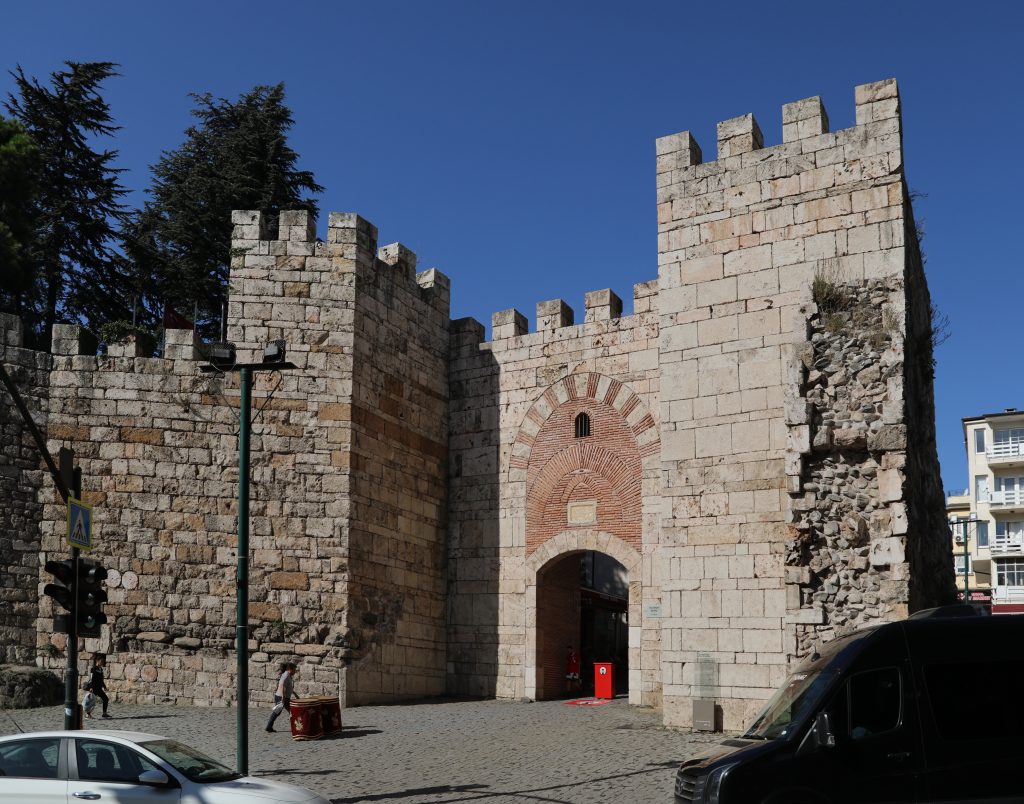
Saltanat Kapı, also known as Hisar Gate, was one of the most important entrances to the historic fortified city.
Its location connected the old settlement with major commercial routes.
During the Ottoman period, the gate was associated with official processions and access to the area of the former royal palace.
The restored gateway is among the most recognisable features of Bursa’s fortifications.
Zindan Gate
Zindan Kapı, or Dungeon Gate, formed part of the city’s defensive system.
Its name reflects its historical association with imprisonment and fortified structures.
The restored area offers an opportunity to appreciate Bursa’s medieval defensive architecture.
Yer Gate
Yer Kapı was an important entrance along the southern and southeastern sections of the historic fortifications.
The surrounding defensive arrangement included walls and towers designed to strengthen access to the old city.
Fetih Gate
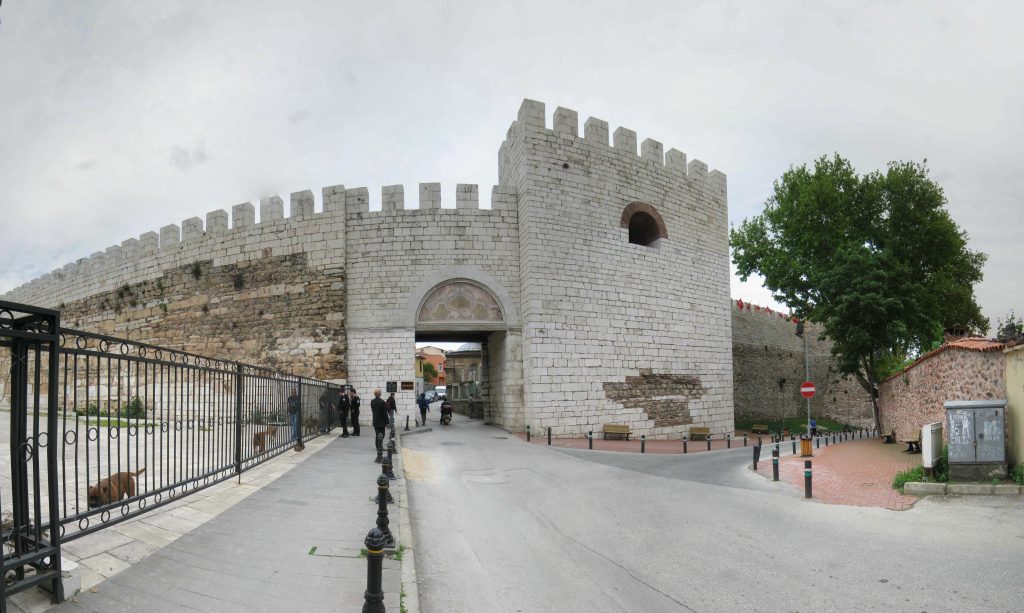
Fetih Kapı, also known as Pınarbaşı or Sur Kapısı, was another important entrance to the fortified settlement.
Its various names reflect the changing functions and historical associations of the area.
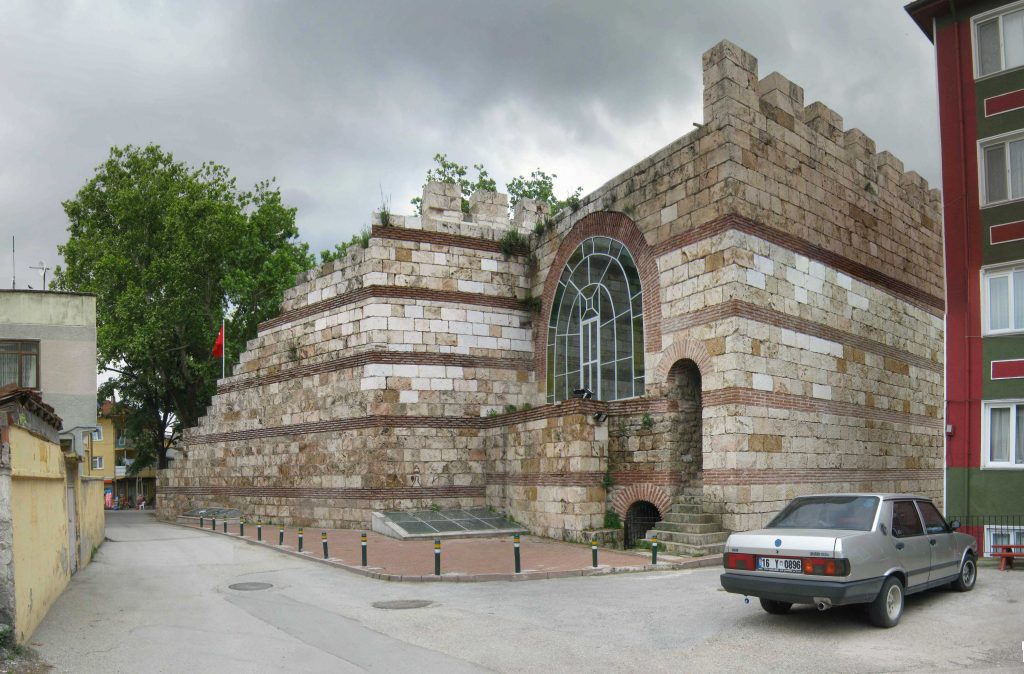
Tahtakale Gate
Tahtakale Kapı is another historic gateway associated with Bursa’s fortified old city. Its stone archway, restored battlements and surrounding masonry reflect the defensive character of the ancient citadel. The gate provides a striking example of how Bursa’s historic fortifications remain integrated into the modern urban landscape.
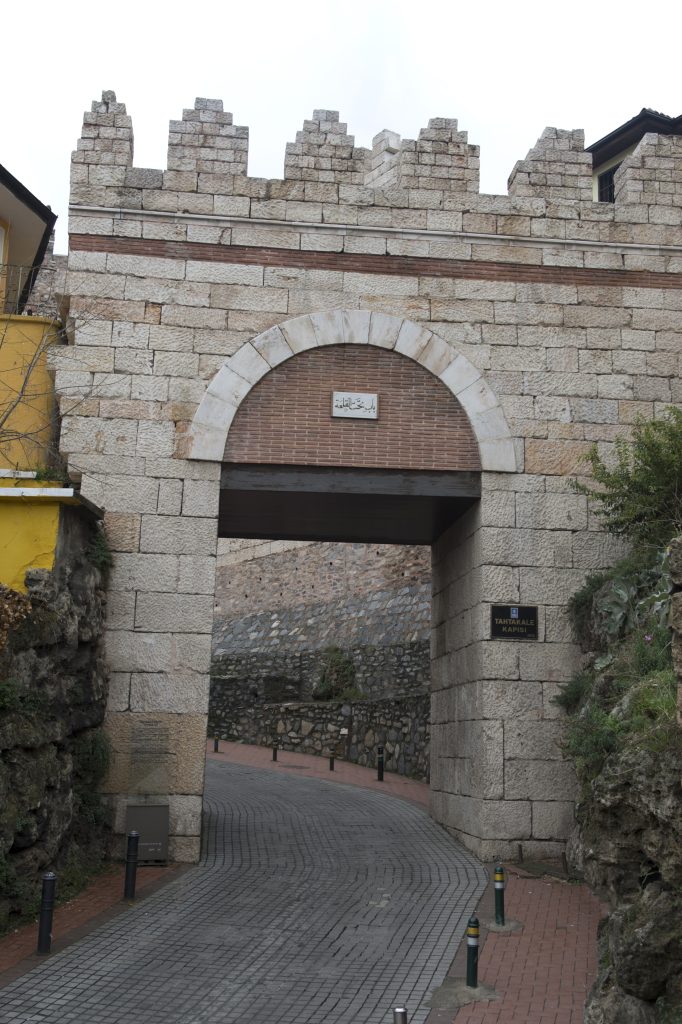
Kaplıca Gate
Kaplıca Kapı formed part of the western defensive system, connecting the fortified settlement with routes towards Bursa’s thermal districts.
The surviving and reconstructed gates together illustrate how the ancient city was connected to the surrounding landscape.
Hisar and Tophane: The Historic Atmosphere
The Hisar neighbourhood is widely regarded as the original fortified heart of Bursa.
Its narrow streets, historic houses and surviving defensive walls preserve a different atmosphere from the busy commercial centre below.
Nearby Tophane offers elevated viewpoints, important Ottoman monuments and a direct connection to the city’s early dynastic history.
Together, Hisar and Tophane make Bursa Citadel especially rewarding for visitors who enjoy exploring historic neighbourhoods on foot.
Things to See and Do at Bursa Citadel
Walk Along the Historic City Walls
Explore accessible sections of Bursa’s ancient fortifications and observe the surviving stonework, towers and restored structures.
Discover Saltanat Gate
Visit one of the city’s most important historic entrances and admire its imposing defensive architecture.
Explore the Hisar Neighbourhood
Wander through the historic streets of Bursa’s original settlement and discover the relationship between the old city walls and surrounding buildings.
Visit the Zindan Gate Area
Discover another important section of the fortifications and learn about its defensive history.
Enjoy the Views from Tophane
Take in sweeping views across Bursa from the elevated historic district.
Photograph the Architecture
Capture the contrast between ancient stone walls, traditional houses, restored gates and the modern city beyond.
Discover Bursa’s Early Ottoman History
Combine your walk through the citadel with nearby monuments associated with the founding rulers of the Ottoman dynasty.
Nearby Attractions
Bursa Citadel is surrounded by important historical landmarks that can be combined into an enjoyable sightseeing itinerary.
Tombs of Osman and Orhan Gazi: The mausoleums of the first two Ottoman rulers, located in historic Tophane.
Tophane Clock Tower: A prominent landmark offering impressive views across Bursa.
Bursa City Museum: A museum exploring the city’s history, traditional crafts and cultural heritage.
Bursa Grand Mosque (Ulu Cami): One of Bursa’s most magnificent Ottoman mosques, celebrated for its monumental architecture and Islamic calligraphy.
Koza Han: A historic silk caravanserai built in 1491, famous for its courtyard, traditional shops and Ottoman commercial heritage.
Orhan Gazi Mosque: An important early Ottoman mosque associated with the ruler who conquered Bursa.
Irgandı Bridge: A remarkable Ottoman bazaar bridge with a long history of traditional craftsmanship.
Muradiye Complex: A beautiful Ottoman architectural ensemble featuring a mosque, historic royal tombs and peaceful gardens.
Bursa Archaeological Museum: A museum presenting archaeological discoveries from Bursa and the surrounding region.
How to Get to Bursa Citadel
Bursa Citadel is located in the Hisar and Tophane area of Osmangazi, close to Bursa’s historic city centre.
Area address: Hisar Mahallesi, Osmangazi, Bursa, Türkiye.
On Foot
Visitors can walk to parts of the citadel from central Bursa, although the historic district stands on elevated ground.
Some routes involve uphill streets, steps and uneven surfaces.
By Public Transport
Local public transport provides connections to central Bursa, from where visitors can continue towards Hisar and Tophane on foot or by taxi.
By Taxi or Car
A taxi is a convenient option for visitors who prefer to avoid steep walking routes.
Parking availability varies around the historic neighbourhood, and some narrow streets may not be suitable for through traffic.
Getting Around the Citadel
Bursa Citadel is a collection of historic walls, gates and neighbourhood sites rather than a single enclosed attraction.
Visitors should allow time to explore different sections separately.
Best Time to Visit Bursa Citadel
Bursa Citadel can be explored throughout the year.
Spring: Mild weather and fresh greenery create pleasant conditions for walking through Hisar and Tophane.
Summer: Early morning or late afternoon visits are recommended to avoid the strongest heat.
Autumn: Comfortable temperatures make this an excellent season for exploring the historic streets and viewpoints.
Winter: The fortifications remain atmospheric, although rain and slippery surfaces may make some walking routes less comfortable.
Morning and late afternoon are particularly appealing for photography.
Travel Tips and Things to Know Before Visiting
- Wear comfortable shoes suitable for sloping streets and uneven paving.
- Allow approximately 1–2 hours for a relaxed walk around the main accessible fortifications and viewpoints.
- Remember that the citadel is spread across several locations rather than contained within one entrance.
- Some restored attractions may have separate admission rules or opening hours.
- Do not climb unstable walls or enter restricted sections.
- Respect residential areas and historic buildings within the Hisar neighbourhood.
- Bring water during warmer months.
- Combine your visit with Tophane Clock Tower and the Tombs of Osman and Orhan Gazi.
- Check current access arrangements before visiting individual gates or museum spaces.
- Visitors with limited mobility should plan their route carefully because some areas include slopes and steps.
Frequently Asked Questions
Where is Bursa Citadel located?
Bursa Citadel is located around the historic Hisar and Tophane neighbourhoods in the Osmangazi district of Bursa, Türkiye.
How old is Bursa Citadel?
The earliest fortifications are traditionally dated to approximately 185 BC, during the reign of King Prusias I of Bithynia.
Who built Bursa Citadel?
The original fortified settlement is associated with the Bithynians. Its walls were subsequently repaired and modified during Roman, Byzantine and Ottoman rule.
Was Hannibal involved in building Bursa Citadel?
Historical tradition connects the Carthaginian commander Hannibal with the planning of ancient Prusa. However, the precise details of his involvement are not conclusively established.
Can visitors walk along the city walls?
Visitors can explore accessible areas around the historic fortifications, but not every section of the walls is open or suitable for walking.
Is Bursa Citadel the same as Tophane?
Not exactly. Tophane is a historic district associated with the fortifications, while Bursa Citadel refers more broadly to the old defensive walls, gates and fortified settlement.
Is there an entrance fee?
There is no single admission ticket for the entire historic citadel area. Individual museums or managed attractions may have their own admission arrangements.
How long does it take to explore Bursa Citadel?
Allow approximately 1–2 hours for the principal accessible areas, with additional time for nearby museums and Ottoman monuments.
Did You Know?
A Bithynian Beginning: Bursa’s historic fortifications are traditionally associated with King Prusias I and the foundation of Prusa ad Olympum around 185 BC.
A Connection to Hannibal: Ancient historical traditions link the famous Carthaginian commander with the city’s early planning.
Multiple Civilisations: The walls preserve traces of Bithynian, Roman, Byzantine and Ottoman history.
Ancient Materials Reused: Some sections incorporate architectural fragments taken from older buildings.
A Former Ottoman Capital: Following the conquest of 1326, Bursa developed into one of the earliest capitals of the Ottoman state.
Historic Gates: Saltanat Gate, Zindan Gate and Yer Gate are among the best-known entrances associated with Bursa’s ancient defensive system.
Why Should You Visit Bursa Citadel?
Bursa Citadel offers a rare opportunity to explore the city’s history beyond its famous Ottoman mosques, bazaars and tombs.
Its ancient defensive walls, historic gates and atmospheric neighbourhoods reveal how Bursa evolved from a Bithynian settlement into a Roman and Byzantine city before becoming an important Ottoman capital.
The surrounding Hisar and Tophane districts add traditional architecture, scenic viewpoints and significant historical monuments to the experience.
Whether you are fascinated by ancient civilisations, medieval fortifications, architectural details or panoramic city views, Bursa Citadel is an essential destination for discovering the deeper history of Bursa.
Browse The Map
Reviews And Comments
Suggested Listings
Hüsnü Züber House

Eski Aynali Carsi Bursa

Tombs of Osman and Orhan Gazi in Bursa

Not rated yet.
Why don't you register your impressions?