


Tiled Pavilion – A Jewel of Ottoman Tile Art
The Tiled Pavilion (Cinili Kosk) is one of the oldest surviving Ottoman structures in Istanbul, located within the Istanbul Archaeological Museums complex.
It offers a unique glimpse into early Ottoman architecture and the rich tradition of Islamic ceramic art.

History of the Tiled Pavilion
The pavilion was built by Mehmed the Conqueror shortly after the conquest of Constantinople.
- constructed in 1472
- one of the earliest Ottoman pavilions in the city
- later restored and modified during different periods
It was originally used as a royal reception and leisure pavilion.

Architectural Features
The Tiled Pavilion reflects a blend of Seljuk, Persian, and early Ottoman styles.
- central domed hall
- portico with marble columns
- symmetrical layout with decorative façades
The entrance façade is especially notable for its rich tile decoration.
Interior and Tilework
The pavilion is famous for its extraordinary tile decoration.
Visitors can see:
- Iznik tiles from the 14th to 17th centuries
- Seljuk and Ottoman ceramic works
- intricate geometric and floral patterns
One of the highlights is the mihrab from the Ibrahim Bey Imaret (1432).
The Museum Collection
Today, the pavilion functions as a museum dedicated to Islamic ceramics.
The collection includes:
- Anatolian and Seljuk tiles
- Mamluk and Ottoman ceramics
- rare decorative panels and artifacts
These exhibits illustrate the evolution of ceramic art over centuries.
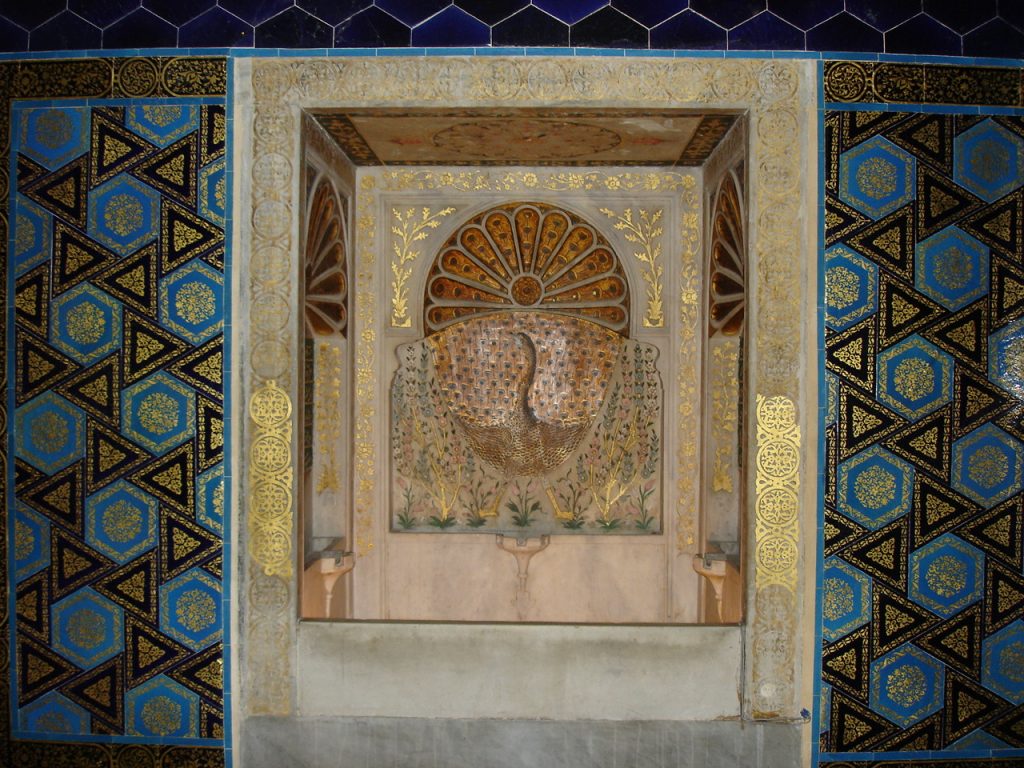
Courtyard and Fountain
The pavilion also features a central courtyard area.
- traditional Ottoman layout
- decorative fountain
- peaceful atmosphere
This space adds to the architectural harmony of the building.

Views and Experience
Visiting the Tiled Pavilion offers:
- a quieter museum experience
- insight into Ottoman artistic traditions
- a break from crowded landmarks
It is often less crowded than nearby attractions.
Cultural Significance
The pavilion represents:
- early Ottoman architectural experimentation
- the importance of ceramic art in Islamic culture
- the artistic patronage of Mehmed the Conqueror
Quick Facts
Location: Istanbul Archaeological Museums
Built: 1472
Commissioned By: Mehmed II
Type: Pavilion / museum
Best Time to Visit
Morning hours are ideal.
Combine with the Archaeological Museums.
How to Reach
By Tram
Gulhane stop (T1 line)
On Foot
Near Topkapi Palace and Gulhane Park
Nearby Attractions
Istanbul Archaeological Museums
Major historical museum complex.
Topkapi Palace
Former Ottoman imperial residence.
Gulhane Park
Historic royal garden.
FAQ
What is the Tiled Pavilion known for?
Its historic architecture and Islamic ceramic collection.
Is it part of a museum?
Yes, it belongs to the Archaeological Museums complex.
Things to Know Before Visiting
- One of the oldest Ottoman buildings in Istanbul
- Famous for Iznik tile collections
- Located within a museum complex
- Less crowded than major landmarks
- Ideal for art and history lovers
Reviews And Comments
Suggested Listings
Ihlamur Pavilion Istanbul

Khedive’s Palace (Hidiv Kasrı), Istanbul

Beylerbeyi Palace , Istanbul

Not rated yet.
Why don't you register your impressions?