


Contact
- Alemdar Cad. Osman Hamdi Bey Yokuşu Sk. 34122 Gülhane/Fatih/İSTANBUL
- +90 2125207740-41-42
- +90 (0212) 527 43 00
- info@allabouturkiye.com
Istanbul Archaeological Museums: The Treasure House of Civilizations
| MMonday | 09:00 AM - 18:00 |
| TTuesday | 09:00 AM - 18:00 |
| WWednesday | 09:00 AM - 18:00 |
| TThursday | 09:00 AM - 18:00 |
| FFriday | 09:00 AM - 18:00 |
| SSaturday | 09:00 AM - 18:00 |
| SSunday | 09:00 AM - 18:00 |
Istanbul Archaeology Museums – A Gateway to Ancient Civilizations
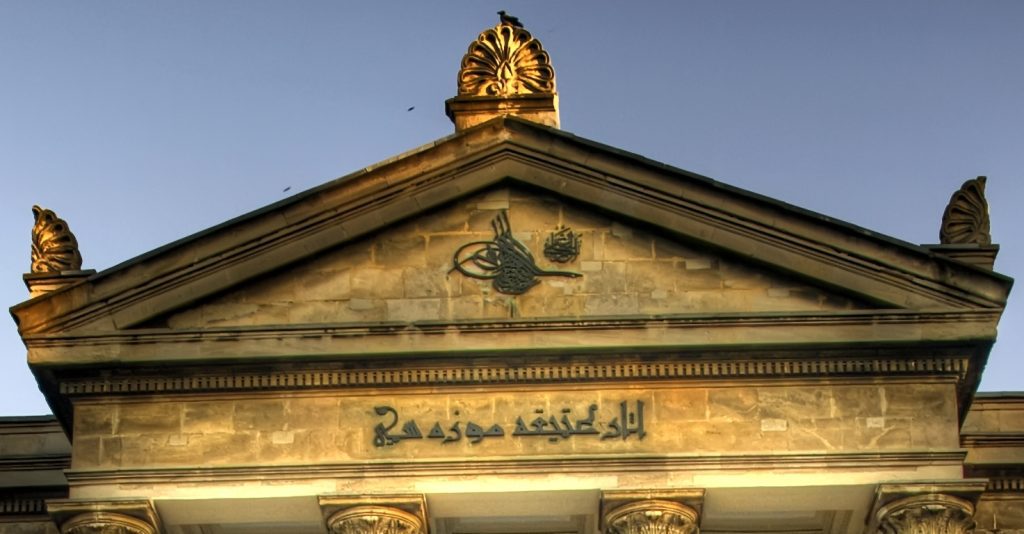
Located on the historic peninsula of Istanbul near Gülhane Park and Topkapi Palace, the Istanbul Archaeology Museums are among the most important museums in Türkiye. The museum complex houses extraordinary artifacts from ancient civilizations that once flourished across Anatolia, Mesopotamia, and the Eastern Mediterranean.
Founded in the late 19th century, the museum was one of the first modern museums established in the Ottoman Empire. Today it contains one of the richest archaeological collections in the world, attracting visitors interested in ancient history, archaeology, and classical civilizations.
The museum complex consists of three main buildings: the Archaeological Museum, the Museum of the Ancient Orient, and the Tiled Kiosk Museum.
History of the Istanbul Archaeology Museums
The origins of the Istanbul Archaeology Museums date back to the late Ottoman period and the efforts of Osman Hamdi Bey, an influential archaeologist, painter, and museum director.
In 1887, Osman Hamdi Bey led excavations in the royal necropolis of Sidon (modern-day Lebanon). During these excavations, he discovered several extraordinary sarcophagi, including the famous Alexander Sarcophagus.
These discoveries quickly attracted international attention and required a larger exhibition space. As a result, a new museum building was designed by the French architect Alexander Vallaury.
The museum opened to the public on June 13, 1891, becoming one of the earliest examples of a modern archaeological museum in the region.
Over time, additional buildings were constructed and the museum complex expanded to accommodate the growing collections.
Architecture of the Museum Complex
The Istanbul Archaeology Museums consist of three separate buildings, each focusing on different historical collections.
Archaeological Museum
The main building houses one of the world’s most important collections of ancient sarcophagi, sculptures, and artifacts from the Greek, Roman, and Anatolian civilizations.
Among the most remarkable objects displayed here are:
Alexander Sarcophagus (4th century BC)
Sarcophagus of the Crying Women (4th century BC)
Tabnit Sarcophagus (around 500 BC)
Sidamara Sarcophagus (3rd century AD)
The museum also contains a rich collection of ancient coins, sculptures, inscriptions, and funerary monuments.
Museum of the Ancient Orient
This building contains artifacts from ancient civilizations of the Near East, including Mesopotamia, Anatolia, Egypt, and the Arabian Peninsula.
The collections include cuneiform tablets, sculptures, reliefs, and historical inscriptions that shed light on early civilizations.
Tiled Kiosk Museum
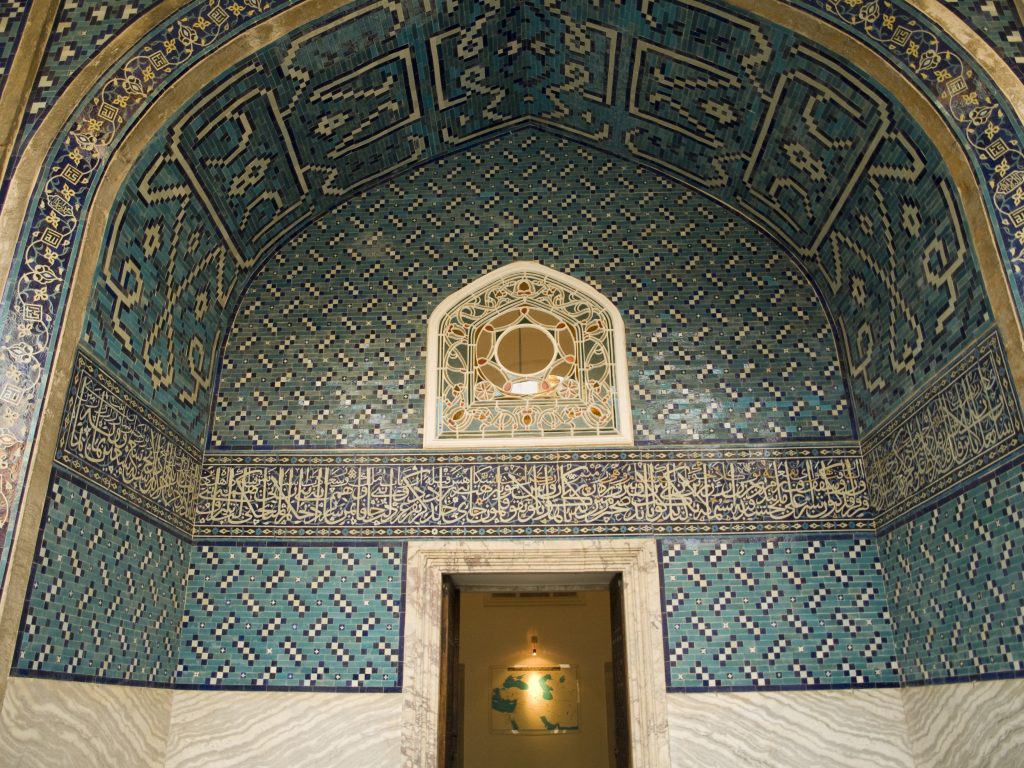
The Tiled Kiosk (Çinili Köşk) is one of the oldest Ottoman civil structures in Istanbul, built in the 15th century during the reign of Sultan Mehmed II.
Today, it houses a collection of Seljuk and Ottoman ceramic art, including beautifully decorated tiles and pottery from different historical periods.
Highlights of the Museum
The Istanbul Archaeology Museums contain thousands of artifacts, but several pieces stand out as particularly significant.
Alexander Sarcophagus
One of the most famous ancient sarcophagi in the world, decorated with detailed battle scenes.
Sarcophagus of the Crying Women
Named after the carved figures of mourning women surrounding the sarcophagus.
Sidamara Sarcophagus
One of the largest Roman sarcophagi ever discovered.
Ancient Coin Collection
An extensive collection illustrating the economic history of ancient civilizations.
 Treaty of Kadesh (Kadeş Antlaşması)
One of the most historically significant artifacts displayed in the Istanbul Archaeology Museums is the Treaty of Kadesh, widely recognized as the world’s earliest known written peace treaty.
The treaty was signed around 1259 BC between the Egyptian Pharaoh Ramesses II and the Hittite King Hattusili III after the famous Battle of Kadesh. The agreement brought an end to long-standing conflicts between the Egyptian and Hittite empires.
The version displayed in the museum is written on a cuneiform clay tablet in the Akkadian language, which was the diplomatic language of the ancient Near East at the time.
The significance of this treaty extends far beyond ancient history. A copy of the Kadesh Treaty is also displayed at the United Nations headquarters in New York, symbolizing one of the earliest examples of international diplomacy and peace agreements.
Quick Facts About the Istanbul Archaeology Museums
Location: Near Gülhane Park, Istanbul
Founded: 1891
Founder: Osman Hamdi Bey
Architect: Alexander Vallaury
Buildings: Three main museum buildings
Collections: Ancient Greek, Roman, Anatolian, and Near Eastern artifacts
Famous Artifact: Alexander Sarcophagus
Best Time to Visit the Museum
The Istanbul Archaeology Museums can be visited throughout the year.
The best time to visit is early in the morning when the museum is less crowded. This allows visitors to explore the exhibits comfortably and spend more time examining the artifacts.
Spring and autumn are also excellent seasons to visit, as the surrounding gardens and nearby Gülhane Park offer pleasant walking routes.
Because the museum complex is large, visitors should allow one to two hours to explore the collections.
How to Reach the Istanbul Archaeology Museums
The museum complex is located near Topkapi Palace and Gülhane Park on Istanbul’s historic peninsula.
By Tram
The easiest way to reach the museum is by taking the T1 Tram Line and getting off at Gülhane Station. From there, the museum is only a short walk uphill.
Walking
Visitors can also reach the museum from the First Courtyard of Topkapi Palace, as a pathway connects the palace grounds with the museum complex.
Nearby Attractions
Several important historical landmarks are located close to the Istanbul Archaeology Museums.
Topkapi Palace
The former residence of Ottoman sultans and one of the most important historical sites in Istanbul.
Hagia Sophia
A monumental structure reflecting both Byzantine and Ottoman history.
Basilica Cistern
An underground Byzantine reservoir famous for its columns and Medusa sculptures.
Gülhane Park
A historic park offering peaceful green spaces and beautiful views of the Bosphorus.
FAQ
What are the Istanbul Archaeology Museums?
They are a museum complex containing artifacts from ancient civilizations including Greek, Roman, Anatolian, and Near Eastern cultures.
Who founded the Istanbul Archaeology Museums?
The museum was founded by the Ottoman archaeologist and painter Osman Hamdi Bey in the late 19th century.
What is the most famous artifact in the museum?
One of the most famous artifacts is the Alexander Sarcophagus, discovered during excavations in Sidon.
How long does it take to visit the museum?
Most visitors spend one to two hours exploring the museum complex.
Things to Know Before Visiting the Istanbul Archaeology Museums
The museum complex includes three different buildings, each with unique collections.
Comfortable walking shoes are recommended because the museum covers a large area.
The museum is located close to Topkapi Palace and Gülhane Park, making it easy to combine visits.
Photography rules may vary in different exhibition halls.
Browse The Map
Reviews And Comments
Suggested Listings
Great Palace Mosaics Museum

Istanbul Modern Museum
Turkish and Islamic Arts Museum Istanbul

Not rated yet.
Why don't you register your impressions?