


Contact
- Yerebatan Cad. Alemdar Mah. 1/3 34410 Sultanahmet-Fatih/İSTANBUL
- +90 (0212) 512 15 70
- +90 (0212) 222 21 06
- info@allabouturkiye.com
Discover the Beauty of Basilica Cistern
| MMonday | 09:00 AM - 22:00 |
| TTuesday | 09:00 AM - 22:00 |
| WWednesday | 09:00 AM - 22:00 |
| TThursday | 09:00 AM - 22:00 |
| FFriday | 09:00 AM - 22:00 |
| SSaturday | 09:00 AM - 22:00 |
| SSunday | 09:00 AM - 22:00 |
Basilica Cistern (Yerebatan Sarnıcı) – Istanbul’s Underground Byzantine Wonder
Located just west of Hagia Sophia in the historic Sultanahmet district, the Basilica Cistern (Yerebatan Sarnıcı) is one of the most mysterious and fascinating historical structures in Istanbul. Hidden beneath the streets of the old city, this enormous underground reservoir dates back to the Byzantine period and reflects the remarkable engineering achievements of the 6th century.
Built during the reign of Byzantine Emperor Justinian I, the cistern was designed to store and supply water for the Great Palace of Constantinople and nearby buildings. Today, it is one of Istanbul’s most impressive historical attractions, drawing visitors with its forest of marble columns, atmospheric lighting, and the famous Medusa head sculptures.
History of the Basilica Cistern
The Basilica Cistern was constructed during the reign of Emperor Justinian I between 527 and 565 AD. It was built as part of a sophisticated water supply system that served Constantinople, the capital of the Byzantine Empire.
The water stored in the cistern was transported from forests and springs located outside the city through a network of aqueducts and channels. This water system was essential for supplying the imperial palace, nearby buildings, and public fountains.
The name “Basilica Cistern” originates from a large basilica that once stood above the site during the Byzantine period. Over time, the basilica disappeared, but the massive underground reservoir remained hidden beneath the city.
For centuries, the cistern was largely forgotten until it was rediscovered during the Ottoman period when locals drew water from openings in the ground.
Today, the Basilica Cistern stands as the largest surviving Byzantine cistern in Istanbul, offering visitors a glimpse into the engineering and architectural skills of the Byzantine Empire.

Architecture of Basilica Cistern
The Basilica Cistern is an enormous underground structure measuring approximately 140 meters long and 70 meters wide.
The ceiling is supported by 336 marble columns, each approximately 9 meters high. These columns are arranged in 12 rows of 28 columns, creating a striking visual effect that resembles a forest of stone pillars.
The columns support a cross-vaulted brick ceiling, which forms the structural roof of the cistern. Many of the columns were reused from older Roman structures, which explains why they feature different styles and decorations.
Visitors explore the cistern using elevated walkways built above the water level, allowing them to walk through the space while observing the columns reflected in the water below.
The Medusa Heads
One of the most intriguing features of the Basilica Cistern is the pair of Medusa head sculptures located in the southwest corner of the structure.
These two ancient stone heads are used as bases for two columns. One of them is placed sideways, while the other is positioned upside down.
The exact origin of these sculptures remains uncertain, but historians believe they were taken from an earlier Roman building and reused during the construction of the cistern.
The unusual placement of the Medusa heads has led to many legends and interpretations, making them one of the most photographed elements of the cistern today.
Basilica Cistern Today
Today, the Basilica Cistern is one of Istanbul’s most popular historical attractions and an important cultural venue.
In addition to welcoming visitors from around the world, the cistern occasionally hosts artistic and cultural events. Special exhibitions and musical performances take place within the atmospheric underground space, creating a unique combination of history, architecture, and art.
Events such as the Night Shift concerts have transformed the cistern into a cultural stage where visitors can experience music within a 1,500-year-old Byzantine monument.
These events combine the mystical atmosphere of the cistern with artistic performances, offering a memorable experience that blends history and contemporary culture.
Quick Facts About Basilica Cistern
Location: Sultanahmet district, Istanbul
Built: 6th century (527–565 AD)
Commissioned by: Byzantine Emperor Justinian I
Dimensions: 140 × 70 meters
Columns: 336 marble columns
Column Height: Approximately 9 meters
Famous Feature: Medusa head column bases
Original Purpose: Water storage for the Byzantine palace
Best Time to Visit Basilica Cistern
The Basilica Cistern can be visited throughout the year, but certain times offer a more enjoyable experience.
Early morning and late afternoon are generally the best times to visit, as the attraction tends to be less crowded. These hours also enhance the mysterious atmosphere created by the lighting and reflections inside the cistern.
Spring and autumn are ideal seasons for exploring Istanbul’s historic peninsula, as the weather is pleasant and suitable for walking between nearby landmarks.
How to Reach Basilica Cistern
The Basilica Cistern is located in the heart of the historic Sultanahmet district and is easily accessible by public transportation.
By Tram
Take the T1 Tram Line and get off at Sultanahmet Station. The cistern is only a short walk from the stop.
By Metro
Visitors can take the Marmaray line to Sirkeci Station and then walk or transfer to the tram.
Walking
If you are visiting nearby landmarks such as Hagia Sophia or the Blue Mosque, the cistern is within walking distance.
Nearby Attractions
Several of Istanbul’s most famous landmarks are located close to the Basilica Cistern.
Hagia Sophia
One of the most iconic monuments in the world and a masterpiece of Byzantine architecture.
Blue Mosque (Sultan Ahmed Mosque)
A magnificent Ottoman mosque known for its six minarets and blue Iznik tiles.
Topkapi Palace
The former residence of Ottoman sultans and one of the most important historical sites in Istanbul.
Hippodrome of Constantinople
The ancient center of Byzantine public life and chariot races.
Why Visit Basilica Cistern?
The Basilica Cistern offers a completely different experience from Istanbul’s mosques and palaces. Descending into this underground world reveals a mysterious and atmospheric environment where history, architecture, and legend meet.
With its forest of ancient columns, reflective water, and enigmatic Medusa sculptures, the cistern remains one of the most unique historical landmarks in Istanbul.
For travelers exploring the historic peninsula, visiting the Basilica Cistern provides an unforgettable glimpse into the hidden infrastructure that once sustained the Byzantine capital.
FAQ
What is the Basilica Cistern?
The Basilica Cistern is a massive underground water reservoir built in the 6th century during the reign of Byzantine Emperor Justinian I.
Why are the Medusa heads in the Basilica Cistern?
The Medusa heads were likely reused from an earlier Roman structure and placed as column bases during the construction of the cistern.
How long does it take to visit the Basilica Cistern?
Most visitors spend about 30 to 45 minutes exploring the cistern and photographing its columns and Medusa sculptures.
Is the Basilica Cistern near Hagia Sophia?
Yes, the Basilica Cistern is located just a short walk west of Hagia Sophia in the Sultanahmet district.
Browse The Map
Reviews And Comments
Suggested Listings
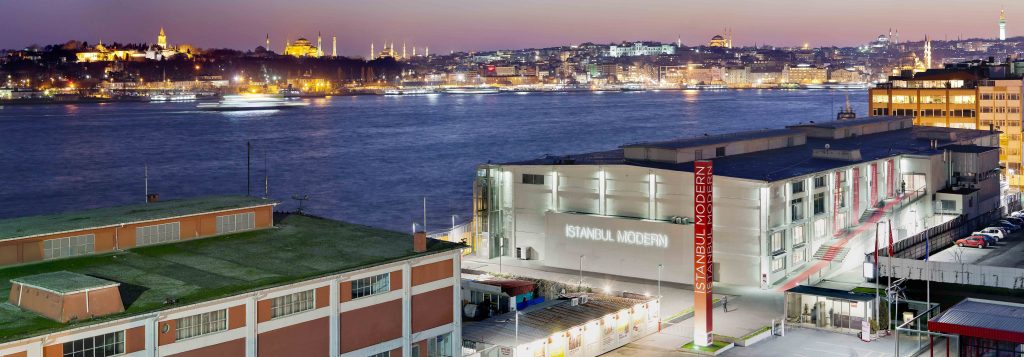
ISTANBUL MODERN
Miniatürk , Istanbul

Turkish and Islamic Arts Museum Istanbul

Not rated yet.
Why don't you register your impressions?