
Contact
- Küçük Ayasofya Mahallesi, Küçük Ayasofya Camii Sokagi No:20, 34122 Fatih/İstanbul
- info@allabouturkiye.com
| MMonday | 08:00 AM - 23:30 |
| TTuesday | 08:00 AM - 23:30 |
| WWednesday | 08:00 AM - 23:30 |
| TThursday | 08:00 AM - 23:30 |
| FFriday | 08:00 AM - 23:30 |
| SSaturday | 08:00 AM - 23:30 |
| SSunday | 08:00 AM - 23:30 |
Little Hagia Sophia Mosque – A Hidden Byzantine Treasure in Istanbul
Located in the historic Sultanahmet district near the Marmara Sea, the Little Hagia Sophia Mosque is one of Istanbul’s most fascinating yet often overlooked monuments. Although smaller than the famous Hagia Sophia, this remarkable structure carries immense historical and architectural significance.
Originally built as a Byzantine church during the reign of Emperor Justinian I in the 6th century, the building later became an Ottoman mosque and continues to serve as a place of worship today. With its unique architecture, peaceful courtyard, and deep historical roots, the Little Hagia Sophia Mosque offers visitors a quieter and more intimate experience compared to the larger landmarks nearby.
For travelers exploring the historic peninsula of Istanbul, this monument provides a fascinating glimpse into the transition from the Byzantine Empire to the Ottoman period.
History of Little Hagia Sophia Mosque
The building known today as the Little Hagia Sophia Mosque was originally constructed between 531 and 536 AD during the reign of the Byzantine Emperor Justinian I. At the time, it was built as a church dedicated to Saints Sergius and Bacchus, two Roman soldiers who were later revered as Christian martyrs.
According to historical sources, Emperor Justinian commissioned the church after a political incident in which he believed the saints had protected him. In gratitude, he ordered the construction of this magnificent religious building in their honor.
For nearly a thousand years, the structure functioned as a Byzantine church. During this time it played an important role in the religious life of Constantinople.
Following the Ottoman conquest of Constantinople in 1453, many Byzantine churches were gradually converted into mosques. The transformation of this particular building occurred in 1506, during the reign of Sultan Bayezid II. The church was converted into a mosque by Hüseyin Ağa, the chief eunuch of the Ottoman palace.
During the Ottoman period, several architectural additions were made, including:
a portico (riwaq) on the northern side
a madrasah built around the courtyard
a bathhouse (hamam) on the adjacent street
These additions reflected the classical Ottoman architectural style and helped integrate the building into the Islamic urban landscape of the time.
Architecture of Little Hagia Sophia Mosque
The architecture of the Little Hagia Sophia Mosque is considered one of the most important examples of early Byzantine design in Istanbul.
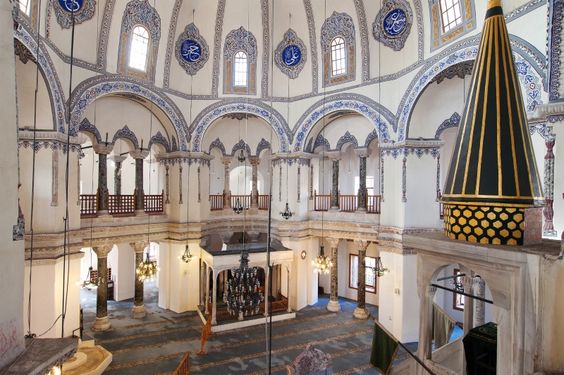
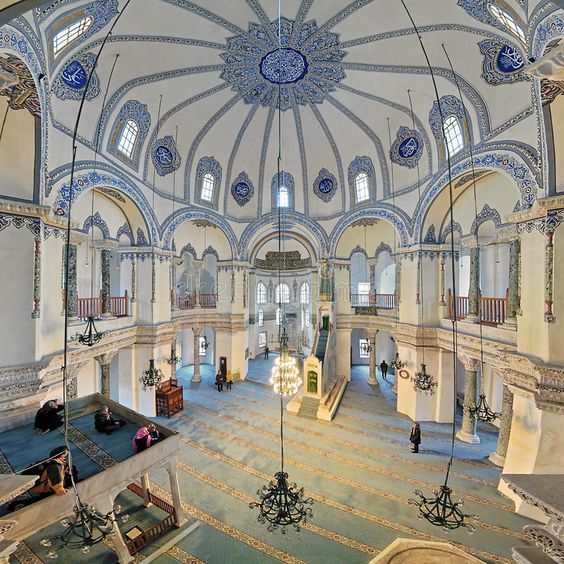
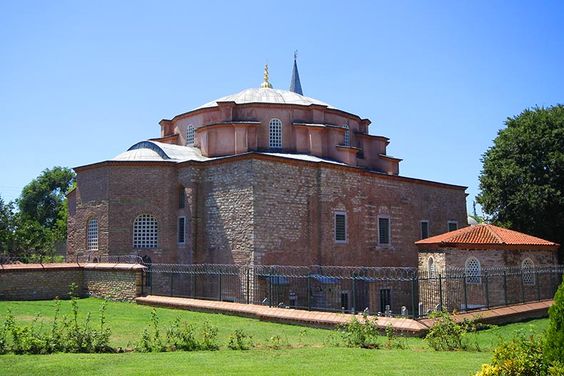
The structure has an irregular rectangular outer plan measuring approximately 25 by 28 meters. Inside, the layout is organized around an octagonal central space, which gives the building its distinctive character.
One of the most striking features is the large central dome, which rises approximately 19 meters above the ground and has a diameter of over 15 meters. The dome sits on an octagonal structure rather than traditional pendentives, creating a unique architectural solution that was innovative for its time.
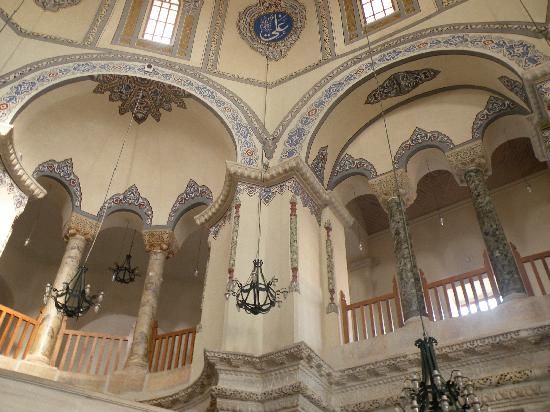
An octagonal gallery surrounds the main interior space, giving the building a sense of openness and symmetry.
Visitors can also see several historical details that reflect the Byzantine origins of the structure. Inscriptions found along the gallery level indicate that the church was dedicated to Saints Sergius and Bacchus. Additionally, the column capitals on both floors display monograms of Emperor Justinian and Empress Theodora, further emphasizing the imperial connection of the monument.
Despite later Ottoman modifications, the building has retained much of its original Byzantine character.
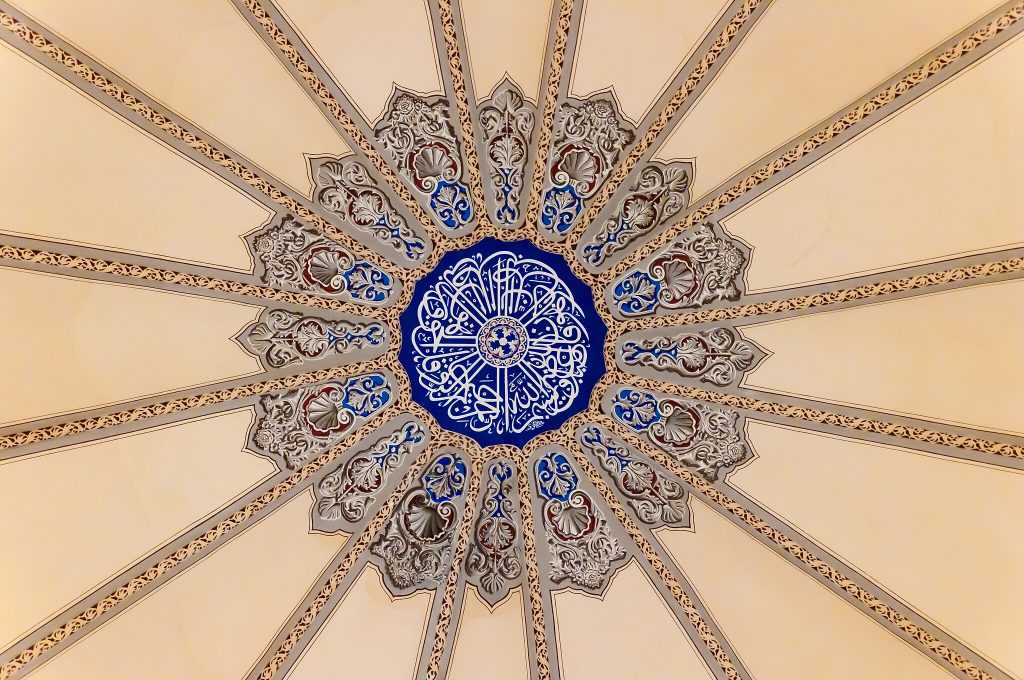
Quick Facts About Little Hagia Sophia Mosque
Location: Sultanahmet district, Istanbul
Original Name: Church of Saints Sergius and Bacchus
Built: 531–536 AD
Commissioned by: Byzantine Emperor Justinian I
Converted to Mosque: 1506
Architectural Style: Early Byzantine
Dome Height: Approximately 19 meters
Dome Diameter: About 15 meters
Current Status: Active mosque open to visitors
Best Time to Visit Little Hagia Sophia Mosque
Little Hagia Sophia Mosque can be visited throughout the year, but some times offer a more enjoyable experience.
The best time to visit is early in the morning or late afternoon, when the area is quieter and the lighting enhances the beauty of the historic structure.
Spring and autumn are generally considered the most pleasant seasons to explore Istanbul’s historic peninsula. During these months, the weather is mild and comfortable for walking between nearby attractions.
Because the building is an active mosque, visitors should avoid prayer times when planning their visit.
How to Reach Little Hagia Sophia Mosque
The mosque is located within the historic Sultanahmet area and is easily accessible by public transportation.
By Tram
Take the T1 Tram Line and get off at Sultanahmet Station. From there, the mosque is about a 10-minute walk.
By Metro
Visitors can take the Marmaray Line to Sirkeci Station, then transfer to the tram or walk toward Sultanahmet.
By Taxi
Taxis can drop visitors near Sultanahmet Square. From there, the mosque is located downhill toward the Marmara Sea.
Walking
If you are already visiting nearby landmarks such as the Blue Mosque or Hagia Sophia, the mosque is easily reachable on foot.
Nearby Attractions
Little Hagia Sophia Mosque is located close to several of Istanbul’s most famous historical landmarks.
Blue Mosque
One of Istanbul’s most iconic religious monuments, famous for its six minarets and stunning blue İznik tiles.
Hagia Sophia
Originally built as a Byzantine cathedral, Hagia Sophia remains one of the most important historical buildings in the world.
Arasta Bazaar
A charming historic market located behind the Blue Mosque, offering traditional Turkish crafts and souvenirs.
Hippodrome of Constantinople
The former center of Byzantine public life and chariot races.
Basilica Cistern
An underground Byzantine water reservoir known for its mysterious atmosphere and Medusa head columns.
Why Visit Little Hagia Sophia Mosque?
While many travelers focus on Istanbul’s most famous monuments, the Little Hagia Sophia Mosque offers a more peaceful and intimate historical experience.
Its blend of Byzantine architecture and Ottoman additions tells the story of Istanbul’s transformation over centuries. The quiet streets around the mosque, combined with its impressive dome and historic atmosphere, make it a rewarding destination for visitors interested in history, architecture, and culture.
For those exploring the Sultanahmet area, visiting the Little Hagia Sophia Mosque provides an opportunity to discover one of the hidden treasures of Istanbul.
Browse The Map
Reviews And Comments
Suggested Listings
Kilic Ali Pasha Mosque


Dolmabahce Mosque Beşiktaş

Not rated yet.
Why don't you register your impressions?