


Contact
- Yeşil Mahallesi, 1. Yeşil Caddesi No:49, 16360 Yıldırım, Bursa, Türkiye
- +90 (0224) 327 76 79
- info@allabouturkiye.com
Centuries of Art, Faith and Ottoman Heritage
| MMonday | 08:00 AM - 16:00 |
| TTuesday | 08:00 AM - 16:00 |
| WWednesday | 08:00 AM - 16:00 |
| TThursday | 08:00 AM - 16:00 |
| FFriday | 08:00 AM - 16:00 |
| SSaturday | 08:00 AM - 16:00 |
| SSunday | 08:00 AM - 16:00 |
Turkish & Islamic Arts Museum Bursa: A Journey Through Ottoman Art and Heritage
Nestled in Bursa’s historic Yeşil (Green) district, the Turkish & Islamic Arts Museum Bursa offers a fascinating journey through centuries of artistic achievement, craftsmanship and cultural traditions.
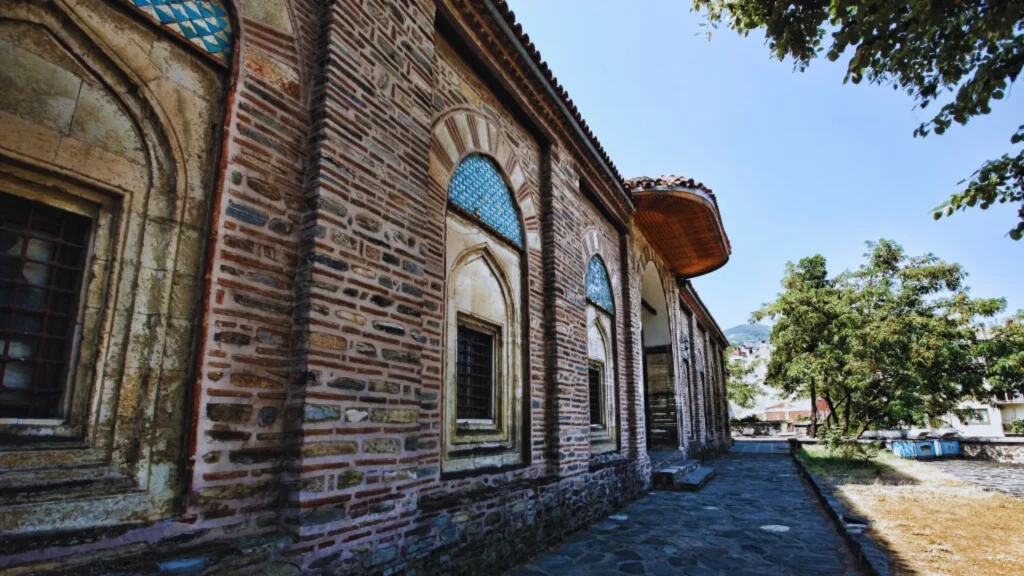
Housed in the magnificent Green Madrasa (Yeşil Medrese), also known as the Sultaniye Madrasa, the museum occupies one of Bursa’s most important early Ottoman educational buildings.
Its historic setting is as remarkable as the collections associated with it. Stone arches, elegant courtyards and traditional architectural details reflect the artistic vision of the early Ottoman period.
The museum is particularly celebrated for its collections of ceramics, decorative arts, metalwork, traditional textiles, coins and objects associated with religious and everyday life.
Located close to the famous Green Mosque and Green Tomb, it is an essential destination for visitors interested in Bursa’s cultural heritage.
History of the Turkish & Islamic Arts Museum Bursa
The Origins of the Green Madrasa
The history of the Turkish & Islamic Arts Museum begins in the early 15th century, during the reign of Sultan Mehmed I, also known as Çelebi Mehmed.
Following a period of political instability in the Ottoman Empire, Sultan Mehmed I initiated an ambitious architectural programme in Bursa.
One of its most important achievements was the construction of the Green Complex (Yeşil Külliye), which included a mosque, mausoleum, madrasa and other charitable buildings.
Construction of the Green Madrasa began during this period, with the complex generally dated to between 1414 and 1424.
The madrasa was designed as a centre of Islamic education, where students studied religious sciences and other subjects under the guidance of scholars.
Its association with the Green Complex placed it at the heart of one of Bursa’s most distinguished architectural ensembles.
From Ottoman School to Museum
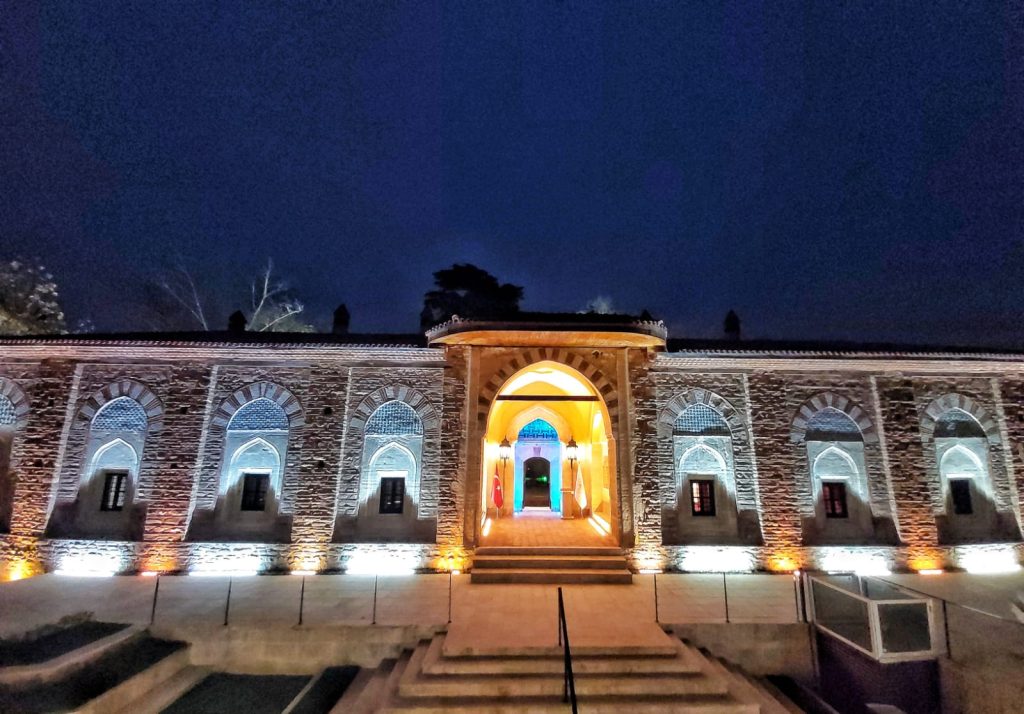
For centuries, the Green Madrasa served as an educational institution and remained an important part of Bursa’s historic landscape.
Its role changed during the early Republican period, when the building became associated with the preservation and exhibition of the city’s cultural heritage.
In 1930, the historic madrasa began housing Bursa’s museum collections.
It continued to serve as a museum building for several decades.
Following the reorganisation of the collections and the transfer of archaeological material to another location, the building reopened in 1975 as the Turkish and Islamic Arts Museum.
This transformation gave the former educational institution a new purpose: preserving and presenting the artistic traditions of Anatolia and the Ottoman world.
A Historic Building with a Living Cultural Legacy
The Green Madrasa has undergone repairs and restoration projects throughout its history.
These interventions have helped protect its architecture and the cultural significance of the building.
Today, the museum’s historical identity connects two important aspects of Bursa’s heritage: the Ottoman tradition of education and the preservation of Turkish and Islamic art.
Architecture of the Green Madrasa
Early Ottoman Design
The Green Madrasa is an outstanding example of early Ottoman educational architecture.
Its design reflects architectural traditions inherited from the Anatolian Seljuks while incorporating features characteristic of the developing Ottoman style.
The building was constructed using a combination of stone and brick.
These materials create the distinctive textures and patterns associated with many early Ottoman monuments in Bursa.
The Central Courtyard
One of the building’s most attractive features is its open courtyard.
The courtyard is surrounded on three sides by arcaded galleries supported by columns.
The pointed arches and vaulted ceilings provide an elegant architectural setting.
Visitors can appreciate the balance between the open central space and the smaller rooms arranged around it.
Student Rooms and Teaching Spaces
The madrasa originally contained 13 student rooms, along with iwans and spaces associated with teaching.
The rooms were designed to accommodate students and support daily educational activities.
Some included fireplaces, reflecting the practical requirements of life in a historic educational institution.
The principal teaching space was positioned opposite the entrance.
Together, these features provide insight into the organisation of Ottoman scholarly life.
Decorative Details
Although the Green Madrasa is less richly decorated than the nearby Green Mosque and Green Tomb, it contains noteworthy architectural details.
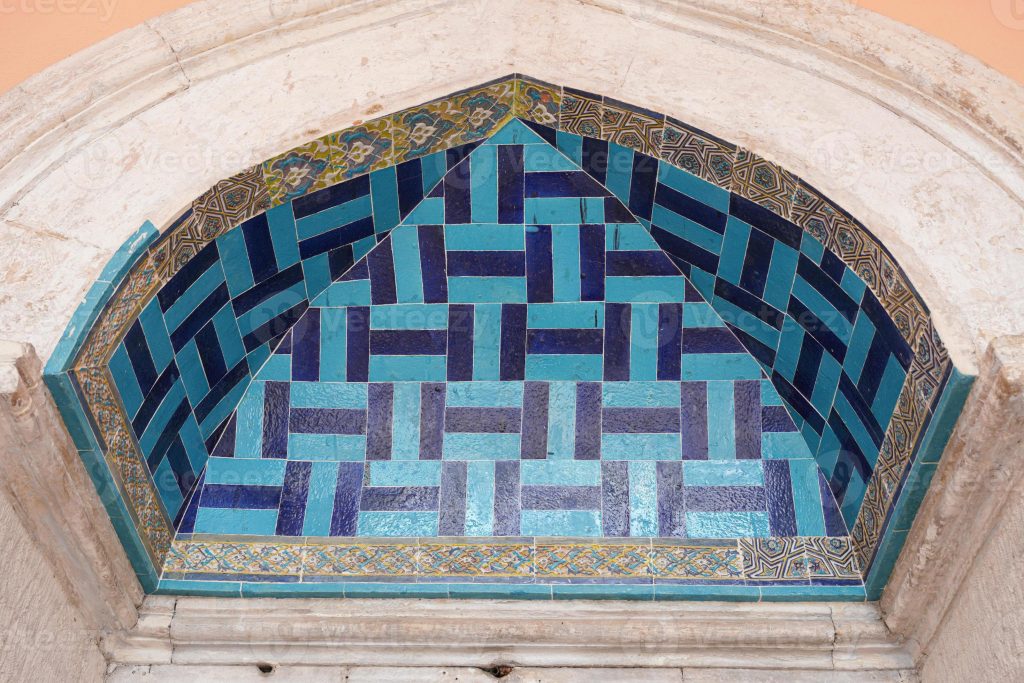
Selected areas feature historic tile decoration, while the arches, vaults and masonry reveal the craftsmanship of the period.
Some columns and capitals incorporate architectural elements originating from earlier Byzantine structures.
These details illustrate the continuity and transformation of architectural traditions in Bursa.
Collections of the Turkish & Islamic Arts Museum
The museum’s collections represent artistic and cultural traditions spanning several centuries.
They are particularly associated with the Seljuk, Anatolian Beylik and Ottoman periods.
İznik and Kütahya Ceramics
Ceramics are among the most important categories associated with the museum.
The collections include examples of pottery and tiles produced in important Anatolian ceramic centres, particularly İznik and Kütahya.
İznik became internationally renowned for its beautifully decorated ceramics during the Ottoman period.
Floral compositions, geometric patterns and carefully balanced colours demonstrate the extraordinary skills of Ottoman ceramic artists.
Kütahya ceramics reflect another important tradition, with distinctive decorative approaches and a long history of production.
These works offer visitors an opportunity to appreciate the artistic and technical achievements of Anatolian craftsmen.
Ottoman Calligraphy and Manuscripts
Calligraphy occupies a special place in Islamic artistic traditions.
The careful arrangement of Arabic letters developed into a sophisticated visual art, combining meaning, proportion and beauty.
The museum’s historic collections include examples of calligraphic works and manuscripts associated with Ottoman religious and cultural life.
These objects demonstrate how written language became an important form of artistic expression.
Traditional Textiles and Embroidery
Bursa has been associated with fine textiles and silk production for centuries.
Traditional garments, embroidered fabrics and decorative textiles reflect the city’s long-standing craftsmanship.
These objects also reveal aspects of social identity, personal taste and ceremonial traditions.
Visitors interested in the history of Ottoman clothing and textile design will find this aspect of the museum particularly engaging.
Metalwork and Decorative Objects
The museum’s collections include examples of traditional Turkish metalworking.
Copper, brass and other metals were used to create household utensils, ceremonial objects and decorative items.
Some pieces demonstrate sophisticated techniques such as engraving, gilding and intricate surface decoration.
The objects illustrate the close relationship between artistic craftsmanship and everyday life.
Seljuk and Ottoman Coins
Historic coins provide valuable evidence of economic and political history.
Examples associated with the Seljuk and Ottoman periods help illustrate the development of trade, government and monetary systems.
Beyond their economic function, coins often feature inscriptions and decorative elements that reveal important aspects of their historical context.
Woodcarving and Inlaid Decoration
Woodworking was another important artistic tradition in Anatolia.
Carved and inlaid wooden objects demonstrate the precision and imagination of skilled craftsmen.
Geometric designs and elaborate surface patterns are particularly characteristic of Islamic decorative arts.
Traditional Handicrafts and Everyday Life
The museum also preserves objects connected with traditional Turkish culture.
Items associated with domestic life, clothing, craftsmanship and social customs offer insight into how people lived during different historical periods.
Such collections help visitors understand that artistic heritage extends beyond monumental buildings and royal commissions.
It can also be found in the objects used in everyday life.
Things to See and Do at the Turkish & Islamic Arts Museum Bursa
Explore the Historic Green Madrasa
Begin by admiring the building itself.
Observe its stone-and-brick construction, pointed arches, vaulted galleries and traditional educational layout.
Discover Ottoman Ceramic Art
Look for examples of İznik and Kütahya ceramics, paying particular attention to decorative motifs, colours and craftsmanship.
Appreciate Traditional Calligraphy
Explore the artistic significance of Ottoman calligraphy and its relationship with Islamic cultural traditions.
Examine Historic Metalwork
Discover how skilled craftsmen transformed practical objects into works of decorative art.
Learn About Ottoman Daily Life
Traditional textiles, household objects and handicrafts offer a more personal perspective on the history of the Ottoman world.
Admire the Courtyard Architecture
The madrasa’s courtyard provides an excellent opportunity to appreciate early Ottoman architectural design.
Combine Your Visit with the Green Complex
The nearby Green Mosque and Green Tomb complement the museum’s collections and help place the building within its wider historical setting.
Important: Exhibition arrangements and access to individual rooms may change, particularly during conservation or restoration work.
Nearby Attractions
The Turkish & Islamic Arts Museum is situated in one of Bursa’s most historically significant neighbourhoods.
Several remarkable attractions can be explored during the same visit.
Green Mosque (Yeşil Cami): A masterpiece of early Ottoman architecture, celebrated for its decorative tiles, elegant interior and extraordinary craftsmanship.
Green Tomb (Yeşil Türbe): The mausoleum of Sultan Mehmed I, famous for its striking turquoise tiles and beautifully decorated interior.
Emir Sultan Mosque: An important religious and cultural landmark associated with one of Bursa’s most respected historical figures.
Irgandı Bridge: A historic bridge featuring shops and a long tradition of craftsmanship.
Bursa City Museum: An engaging museum exploring Bursa’s history, cultural identity and traditional occupations.
Orhan Gazi Mosque: One of Bursa’s important early Ottoman monuments, located in the historic city centre.
Bursa Grand Mosque (Ulu Cami): A magnificent mosque known for its twenty domes, monumental architecture and remarkable calligraphy.
Koza Han: A historic Ottoman caravanserai associated with Bursa’s famous silk trade.
Bursa Covered Bazaar: A lively historic shopping district where traditional commerce remains part of everyday city life.
How to Get to the Turkish & Islamic Arts Museum Bursa
The museum is located in the Yeşil neighbourhood of Yıldırım, close to the Green Mosque and Green Tomb.
Address: Yeşil Mahallesi, 1. Yeşil Caddesi No:49, 16360 Yıldırım, Bursa, Türkiye.
On Foot
Visitors exploring Bursa’s historic centre can reach the Yeşil district on foot.
The walk passes through an area rich in Ottoman monuments and traditional neighbourhood streets.
Some streets are sloping, so comfortable walking shoes are recommended.
By Public Transport
Bursa’s public transport network provides access to the surrounding district.
Depending on your starting point, you may need to walk from the nearest suitable stop.
By Taxi
A taxi is a convenient option for visitors travelling from other parts of Bursa.
Ask to be taken to the Green Mosque or Green Tomb area in Yıldırım.
By Car
Drivers should be aware that parking may be limited around the historic streets.
Using a suitable nearby parking facility and continuing on foot may be more convenient.
Best Time to Visit the Turkish & Islamic Arts Museum Bursa
Bursa’s Green district is attractive throughout the year.
Spring: Mild temperatures make it an excellent time to explore the museum and surrounding Ottoman monuments.
Summer: Early visits can be more comfortable before the afternoon heat.
Autumn: Pleasant weather and changing seasonal colours create a beautiful setting for historical sightseeing.
Winter: The district offers a quieter atmosphere, although visitors should prepare for cold or rainy weather.
For photography and sightseeing, morning visits are often particularly enjoyable.
Opening Hours and Visitor Access
Published visitor information has listed museum hours as 10:00–17:00, Tuesday to Sunday, with Monday closure.
However, opening arrangements can change, and the museum has undergone restoration work in the past.
Always confirm the museum’s current opening status, visiting hours and admission arrangements before travelling.
Travel Tips and Things to Know Before Visiting
- Allow approximately 45–60 minutes for the museum, depending on the exhibitions available.
- Set aside additional time for the Green Mosque and Green Tomb.
- Wear comfortable shoes when exploring the historic Yeşil neighbourhood.
- Check the museum’s current opening status before your visit.
- Follow any photography restrictions displayed inside the museum.
- Avoid using flash near sensitive historic objects.
- Respect barriers and conservation notices around architectural features.
- Take time to examine decorative details rather than rushing through the building.
- Combine your visit with other nearby Ottoman monuments for a richer historical experience.
- Check accessibility arrangements in advance if you have mobility requirements.
Frequently Asked Questions
Where is the Turkish & Islamic Arts Museum Bursa located?
The museum is located in the historic Green Madrasa in the Yeşil neighbourhood of Yıldırım, Bursa, close to the Green Mosque and Green Tomb.
What is the Turkish & Islamic Arts Museum Bursa famous for?
It is known for its historic Ottoman madrasa building and collections associated with ceramics, calligraphy, metalwork, textiles, coins and traditional Turkish craftsmanship.
How old is the Green Madrasa?
The Green Madrasa dates to the early 15th century. Construction was undertaken during the reign of Sultan Mehmed I, as part of the Green Complex.
When did the building become the Turkish and Islamic Arts Museum?
The building reopened under the Turkish and Islamic Arts Museum identity in 1975, following earlier use as a museum housing broader collections.
Is the museum inside the Green Mosque?
No. The museum occupies the historic Green Madrasa, a separate building within the Green Complex.
What can visitors see at the museum?
The museum is associated with collections of İznik and Kütahya ceramics, historic coins, traditional textiles, metal objects, woodwork and other examples of Turkish and Islamic artistic heritage.
The specific objects on display may vary.
How much time should I allow for a visit?
Approximately 45–60 minutes is a reasonable starting point, with extra time for the surrounding monuments.
Is the museum open every day?
Published visitor information has listed Monday as the weekly closing day, but current arrangements should be confirmed before visiting.
Is the museum worth visiting?
Yes. Its combination of historic architecture and artistic heritage makes it an important cultural destination for visitors interested in Bursa’s Ottoman history.
Did You Know?
A Former Ottoman School: The museum building was originally a madrasa, an educational institution where students pursued scholarly studies.
A 15th-Century Landmark: The Green Madrasa was constructed during the reign of Sultan Mehmed I as part of the Green Complex.
A Museum Since 1975: The building became the Turkish and Islamic Arts Museum in its present institutional form in 1975.
Thirteen Student Rooms: The original madrasa layout included 13 rooms associated with student accommodation and study.
Architectural Continuity: Some architectural elements reflect earlier Byzantine building traditions, demonstrating the layered history of Bursa.
Centuries of Craftsmanship: The museum’s collections represent artistic traditions extending from the medieval period into more recent centuries.
A Connection to Bursa’s Silk Heritage: Traditional textiles and decorative arts reflect the city’s long history as an important centre of craftsmanship and trade.
A UNESCO Heritage Setting: The Green Complex forms part of the UNESCO World Heritage property “Bursa and Cumalıkızık: The Birth of the Ottoman Empire,” inscribed in 2014.
Why Should You Visit the Turkish & Islamic Arts Museum Bursa?
The Turkish & Islamic Arts Museum Bursa offers a unique opportunity to discover the artistic and cultural achievements of Anatolia and the Ottoman world.
Its historic setting inside the Green Madrasa creates a meaningful connection between architecture, education and craftsmanship.
From the delicate beauty of İznik ceramics to traditional textiles, calligraphy and decorative metalwork, the museum’s heritage reveals the creativity of generations of skilled artisans.
The surrounding Green Complex adds another dimension to the experience, allowing visitors to explore some of Bursa’s finest early Ottoman monuments within a short distance.
Whether you are passionate about history, fascinated by traditional craftsmanship or simply looking for a deeper understanding of Bursa’s cultural identity, the Turkish & Islamic Arts Museum is an important stop on your journey through the city’s remarkable heritage.
Browse The Map
Reviews And Comments
Suggested Listings
Hüsnü Züber House

Bursa Archaeological Museum

Karagöz Museum Bursa

Not rated yet.
Why don't you register your impressions?