


Contact
- Türkali Mah. Hakkı Yeten Cad. No:1 Ihlamur Kasırları, Beşiktaş/İstanbul
- +90 (212) 259 50 86
- +90 (212) 259 32 92
- info@millisaraylar.gov.tr
| MMonday | Closed |
| TTuesday | 09:00 AM - 17:30 |
| WWednesday | 09:00 AM - 17:30 |
| TThursday | 09:00 AM - 17:30 |
| FFriday | 09:00 AM - 17:30 |
| SSaturday | 09:00 AM - 17:30 |
| SSunday | 09:00 AM - 17:30 |
Ihlamur Pavilion – Ottoman Summer Palace of Besiktas
Ihlamur Pavilion, often referred to as Ihlamur Summer Palace, is a charming Ottoman pavilion complex located in the Beşiktaş district of Istanbul. Surrounded by a peaceful garden filled with linden trees, the complex served as a private retreat for Ottoman sultans during the 19th century.
The pavilions are located within a quiet garden area that once functioned as a royal recreation ground where the sultan could relax away from the formal atmosphere of imperial palaces.
History of Ihlamur Pavilion
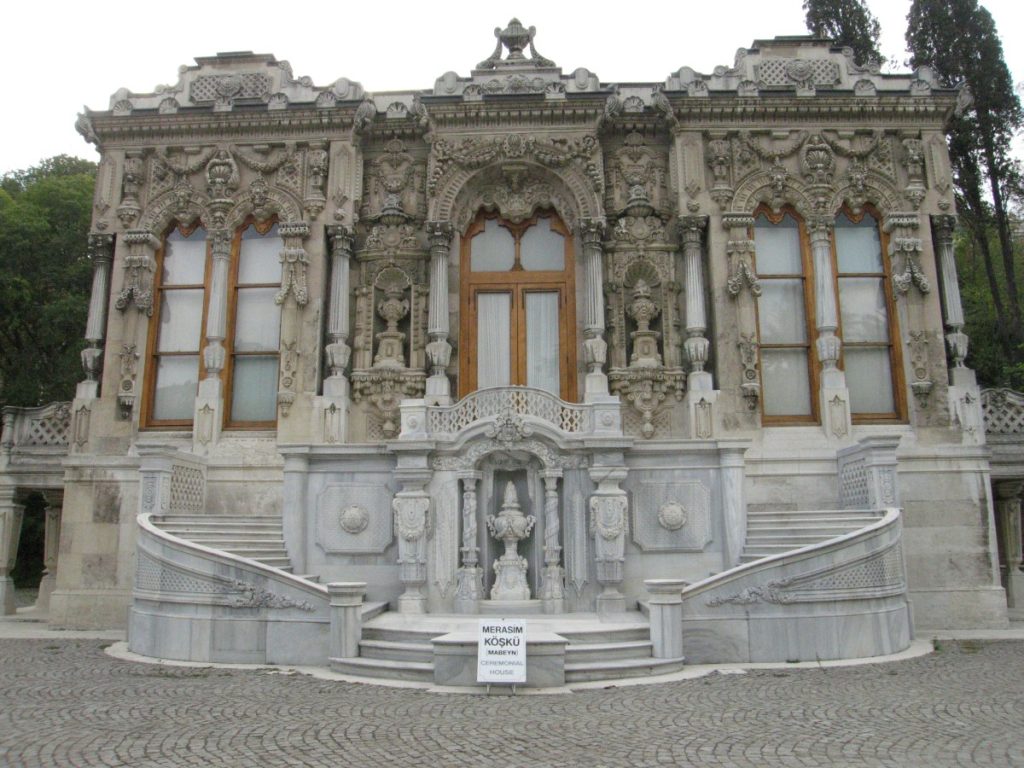
The current structures were commissioned by Sultan Abdülmecid I during the mid-19th century.
The pavilions were designed by the famous Ottoman architect Nigoğayos Balyan, a member of the influential Balyan architectural family.
Construction took place between 1849 and 1855.
At the time, the area was used as a resort garden where the sultan would rest and hold small ceremonies or receptions.
The Pavilion Complex
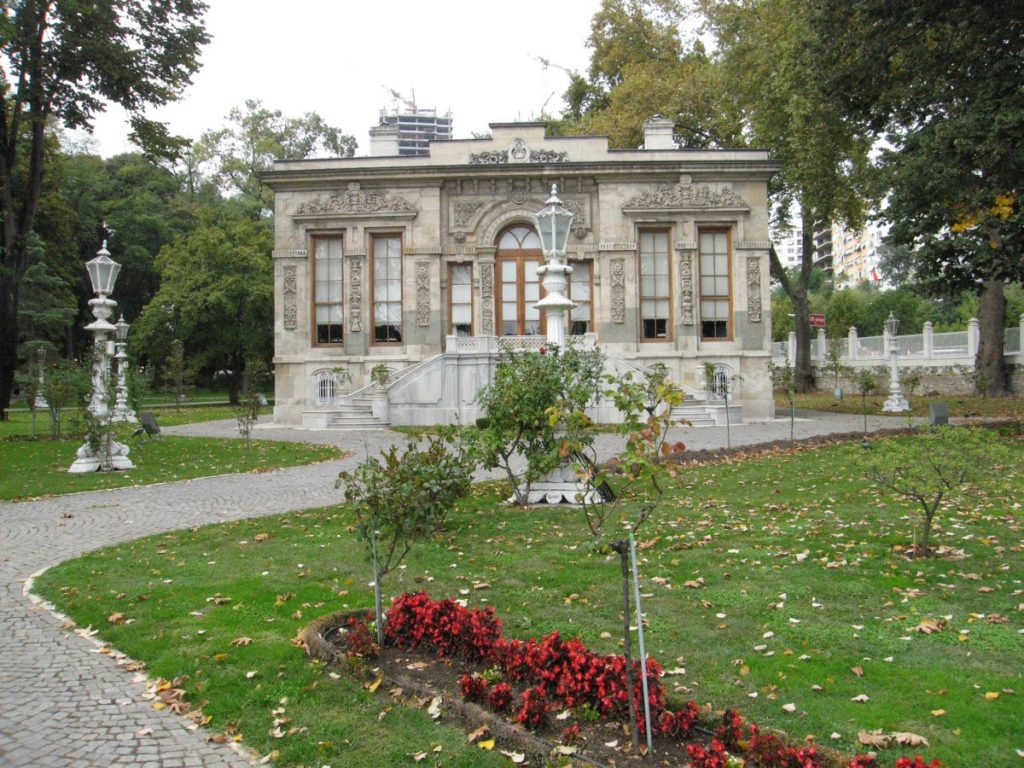
The complex consists mainly of two structures:
Ceremony Pavilion (Merasim Köşkü)
The Ceremony Pavilion was the main building of the complex and was used for official receptions and ceremonial gatherings.
The pavilion is richly decorated and reflects the elegant taste of the Ottoman court during the 19th century.
Attendants Pavilion (Maiyet Köşkü)
The Attendants Pavilion was used by palace attendants and staff who accompanied the sultan.
Compared to the main pavilion, this structure has a simpler architectural design and interior decoration.
 Architecture of the Pavilions
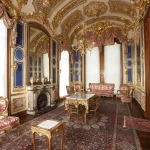
Both buildings were designed in an eclectic architectural style, combining elements from European and Ottoman traditions.
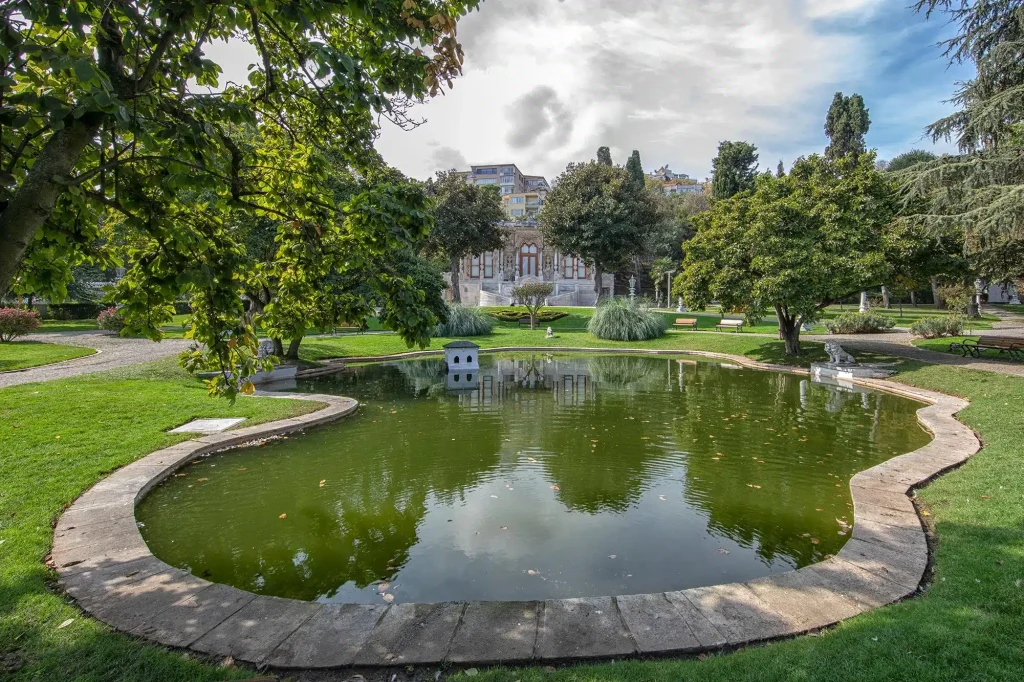
The pavilions stand within a walled garden with ornamental pools and landscaped grounds, creating a peaceful and refined atmosphere.
Large windows allow natural light into the interiors, enhancing the elegant decorative details.
The Garden
The garden surrounding the pavilions is one of the most charming features of the complex.
Visitors can walk among trees and landscaped areas that once served as the private leisure grounds of the Ottoman court.
Today the garden also includes a café, where visitors can relax while enjoying the quiet atmosphere.
Quick Facts About Ihlamur Pavilion
Location: Beşiktaş, Istanbul
Built: 1849–1855
Commissioned By: Sultan Abdülmecid I
Architect: Nigoğayos Balyan
Architecture: Eclectic Ottoman style
Complex Includes: Ceremony Pavilion and Attendants Pavilion
Best Time to Visit
The pavilions can be visited throughout the year.
Spring and early summer are particularly pleasant, when the garden is green and peaceful.
How to Reach Ihlamur Pavilion
The complex can be reached from Beşiktaş within a short walk.
Walking
Visitors can follow Ortabahçe Street from the Naval Museum area, reaching the pavilion in about 15 minutes.
By Bus
Many buses stop at Beşiktaş Square, from where the pavilion is within walking distance.
Nearby Attractions
Several well-known landmarks are located close to Ihlamur Pavilion.
Dolmabahce Palace
One of the most magnificent Ottoman palaces on the Bosphorus.
Dolmabahce Mosque
An elegant 19th-century mosque near the palace.
Besiktas Square
A lively waterfront district with cafés and shops.
Naval Museum
A museum dedicated to Ottoman naval history.
FAQ
When was Ihlamur Pavilion built?
The pavilions were built between 1849 and 1855.
Who designed Ihlamur Pavilion?
The complex was designed by Nigoğayos Balyan.
What was Ihlamur Pavilion used for?
It served as a summer retreat and ceremonial pavilion for Sultan Abdülmecid I.
Where is Ihlamur Pavilion located?
It is located in the Beşiktaş district of Istanbul.
Things to Know Before Visiting
Ihlamur Pavilion was used as a royal recreation area.
The complex includes two historic pavilions.
The garden offers a peaceful atmosphere in the middle of the city.
A small café operates inside the garden area.
Reviews And Comments
Suggested Listings
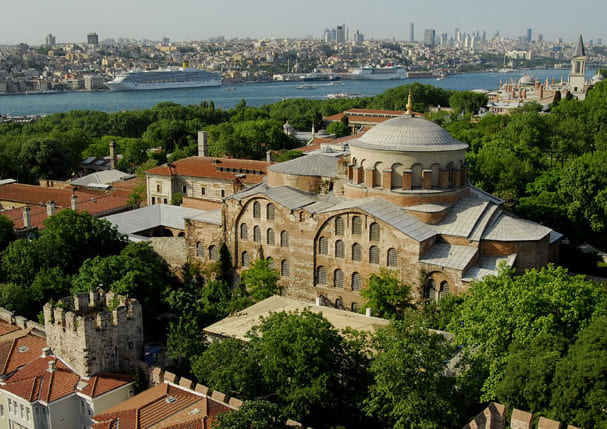
Church of Hagia Eirene
Turbes Museum Istanbul

Rahmi M Koc Museum

Not rated yet.
Why don't you register your impressions?