


Contact
- Gaziakdemir Mah.Çekirge Cad. No:4/11 Arkeoloji Müzesi Kültürpark içi 16050 Osmangazi/BURSA
- +90 (0224) 234 49 18
- info@allabouturkiye.com
| MMonday | 08:00 AM - 17:00 |
| TTuesday | 08:00 AM - 17:00 |
| WWednesday | 08:00 AM - 17:00 |
| TThursday | 08:00 AM - 17:00 |
| FFriday | 08:00 AM - 17:00 |
| SSaturday | 08:00 AM - 17:00 |
| SSunday | 08:00 AM - 17:00 |
Bursa Archaeological Museum
Located in the historic city of Bursa, the Bursa Archaeological Museum offers a fascinating journey through the ancient civilizations of northwestern Türkiye. Its collections bring together archaeological discoveries from Bursa and the surrounding region, revealing the stories of communities that lived here thousands of years before the Ottoman Empire.
For travellers interested in archaeology, mythology, art and local history, the museum is an excellent place to discover another side of Bursa beyond its famous mosques, bazaars and thermal baths.
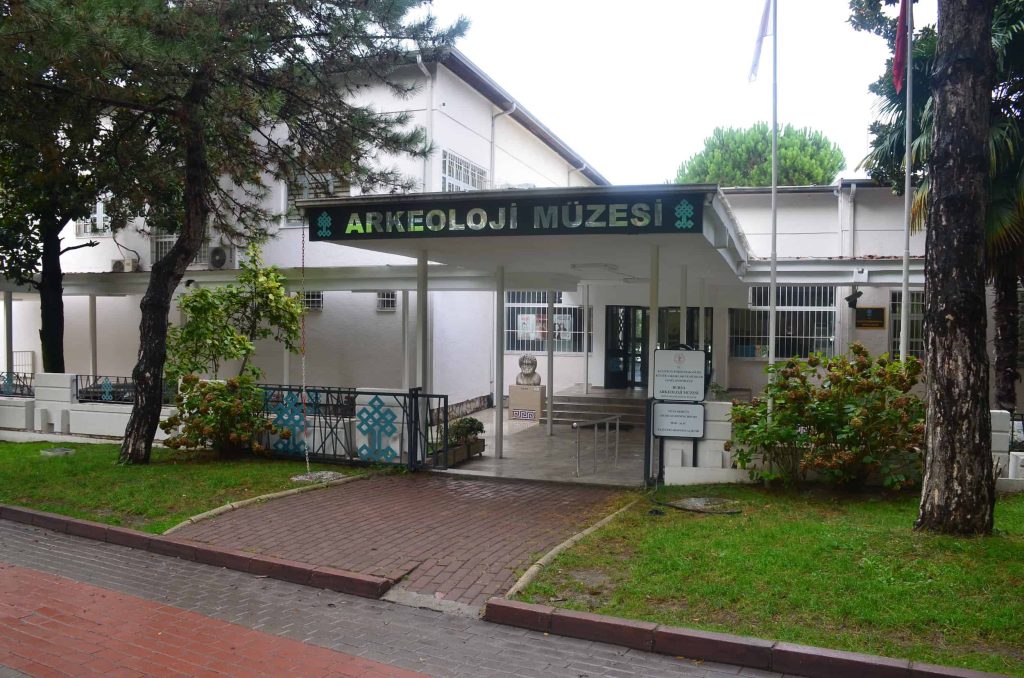
History of Bursa Archaeological Museum
Bursa’s archaeological museum tradition dates back to the early twentieth century, when historical objects began to be collected and displayed to preserve the region’s cultural heritage.
Over time, the museum’s collections expanded through archaeological excavations, discoveries and acquisitions. Today, the museum presents material from different historical periods, helping visitors understand the development of ancient settlements in Bursa and its surrounding territories.
The museum is especially valuable for exploring the region’s connections with ancient Bithynia, Mysia, Greek and Roman civilizations.
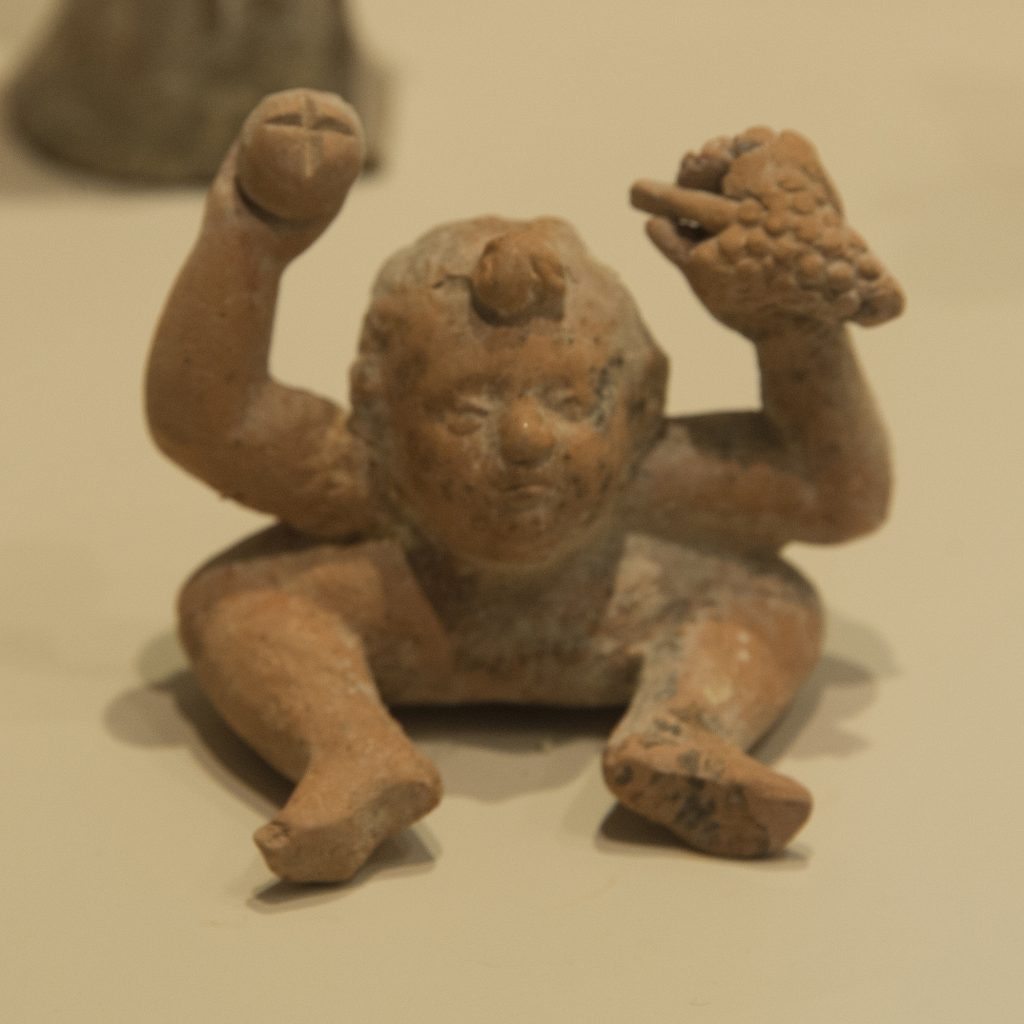
Museum Collections and Highlights
The Bursa Archaeological Museum displays a variety of objects that reflect everyday life, religious beliefs, artistic traditions and burial customs in antiquity.
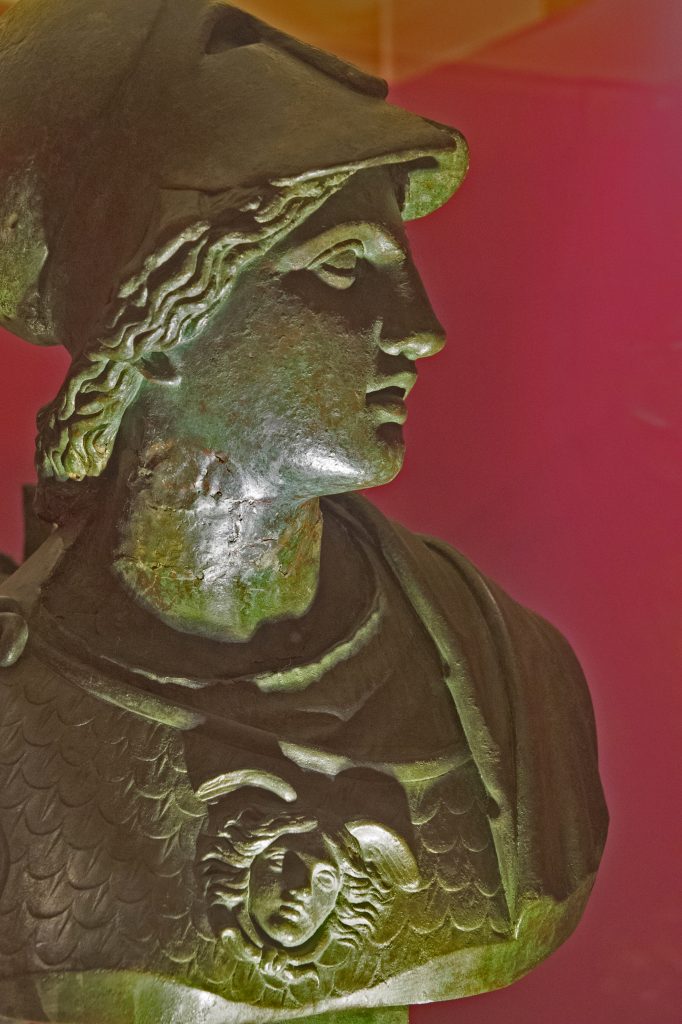
Ancient Pottery and Ceramics
Ceramic vessels, bowls and decorated pottery provide clues about food preparation, trade and domestic life in ancient communities. Changes in shape, technique and decoration also reveal how craftsmanship developed over time.
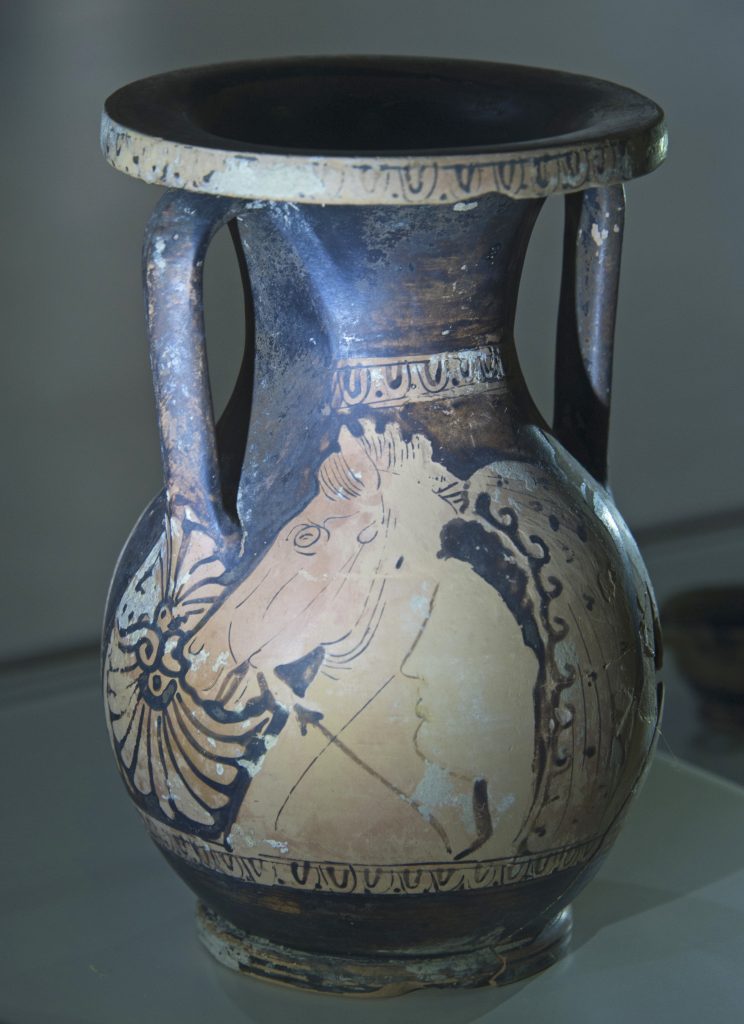
Sculptures and Stone Artefacts
Stone sculptures, inscriptions and carved architectural fragments illustrate the artistic and religious traditions of the ancient world.
These objects help visitors imagine the temples, public buildings and settlements that once shaped the region.
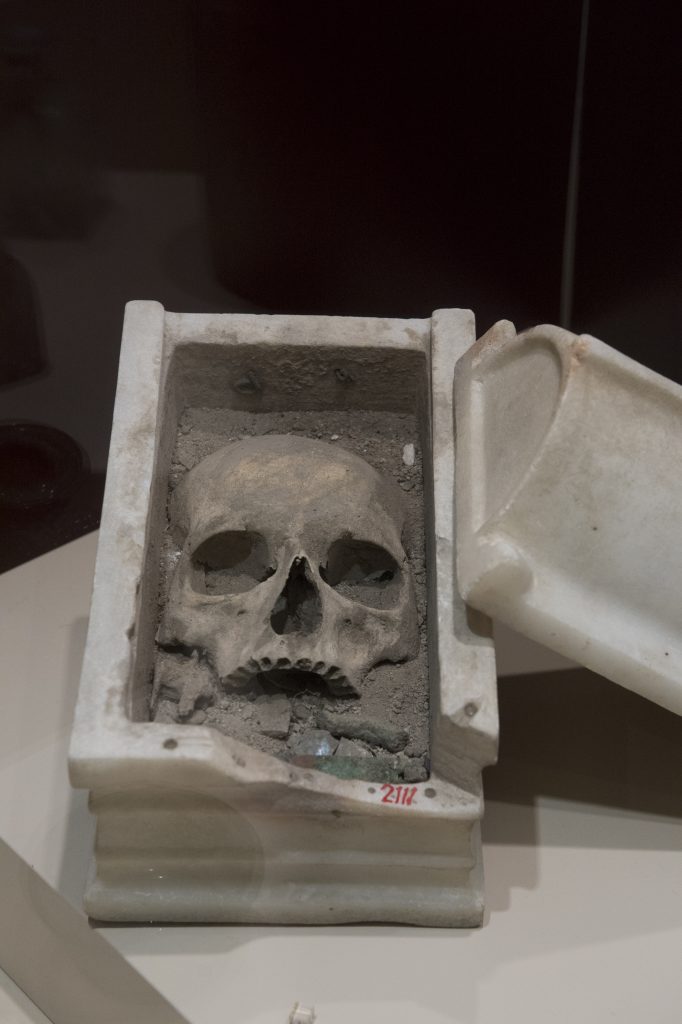
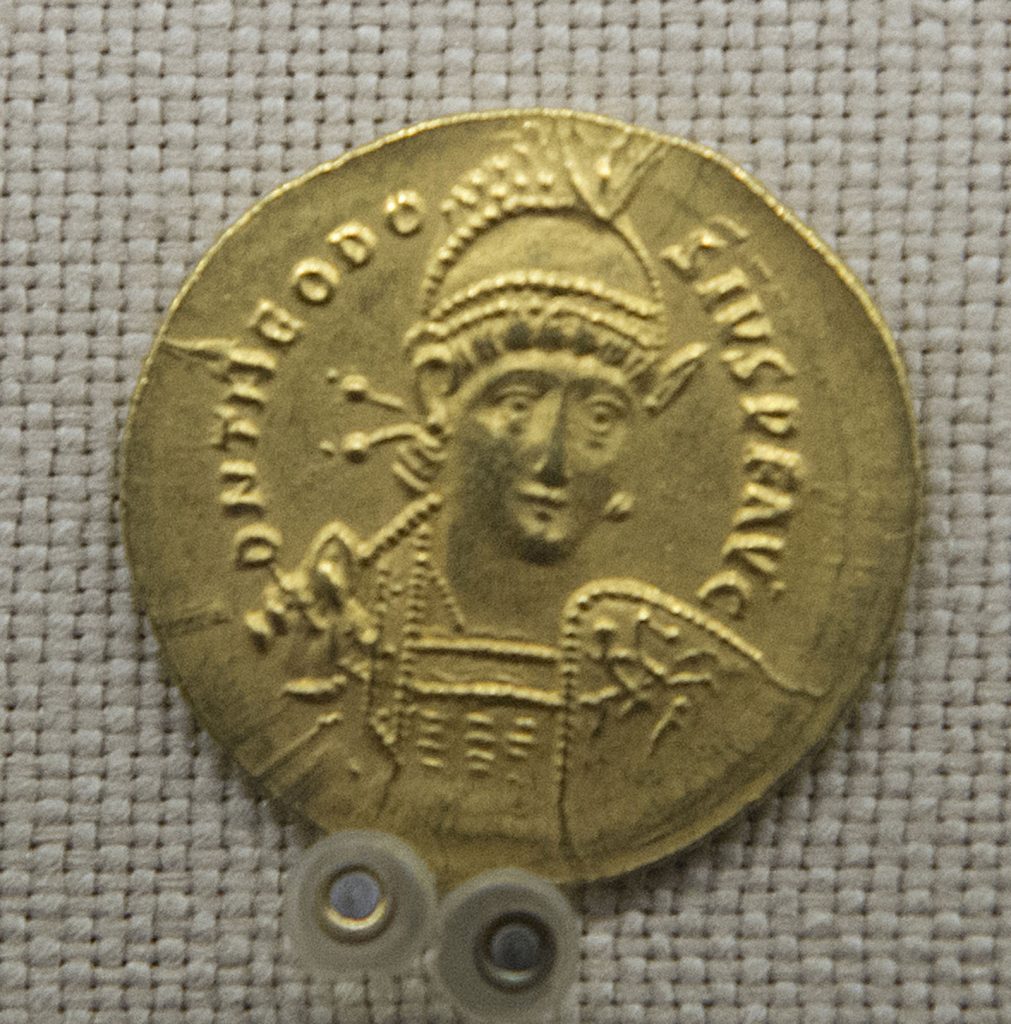
Coins, Jewellery and Everyday Objects
Smaller archaeological finds can be just as revealing as monumental sculptures. Coins, ornaments, tools and household objects offer a closer look at commerce, personal identity and daily routines.
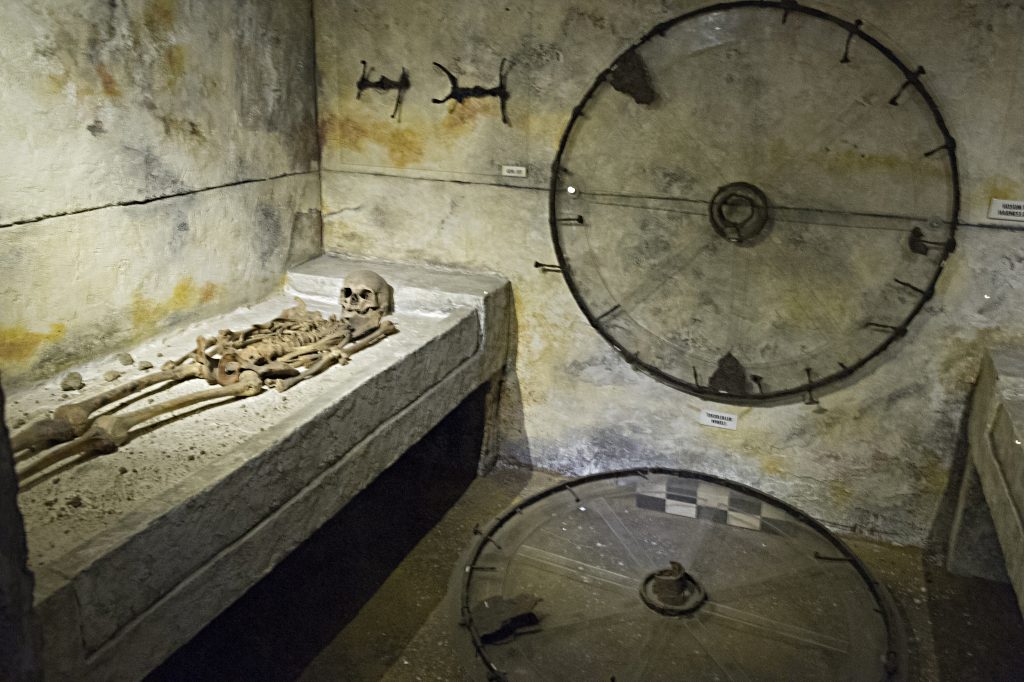
Funerary Art and Ancient Burial Traditions
Gravestones, sarcophagi and other funerary objects provide insight into ancient beliefs about death, remembrance and the afterlife.
What Makes the Museum Special?
One of the museum’s greatest strengths is its regional focus. Rather than presenting ancient history as a distant subject, it connects archaeological discoveries directly to Bursa and its surroundings.
Visitors can explore how the region developed through successive civilizations and how its position between Anatolia and the Sea of Marmara influenced trade, settlement and cultural exchange.
The museum also provides historical context for exploring nearby archaeological sites and other cultural attractions.
Things to See and Do
Examine ancient pottery and compare objects from different historical periods.
Look for inscriptions and sculptural details that reveal the influence of Greek and Roman culture.
Discover how everyday tools and personal belongings tell the stories of ancient inhabitants.
Explore the museum’s stone monuments and funerary collections.
Combine your museum visit with a walk through Bursa’s nearby parks and cultural landmarks.
Nearby Attractions
The museum is conveniently located for exploring other highlights of Bursa.
Reşat Oyal Culture Park: A pleasant green space for a relaxing walk before or after your museum visit.
Bursa Grand Mosque (Ulu Cami): One of the city’s most celebrated Ottoman landmarks, known for its monumental architecture and calligraphy.
Koza Han: A historic silk-trading caravanserai where visitors can enjoy the atmosphere of Bursa’s traditional commercial centre.
Muradiye Complex: An important Ottoman architectural ensemble with historic tombs and gardens.
Cumalıkızık Village: A UNESCO-listed Ottoman village near Bursa, famous for its traditional houses and cobblestone streets. Explore our Cumalıkızık Village guide.
How to Get There
Bursa Archaeological Museum is situated in the Çekirge area, within the city’s central urban districts and close to Reşat Oyal Culture Park.
Visitors can reach the area by taxi, private vehicle or local public transport. If you are travelling from Istanbul, Bursa can be reached by road and by combining ferry services with onward ground transportation.
Use the museum’s current map location when planning your route, as transport connections and schedules may change.
Best Time to Visit
The museum is a worthwhile destination throughout the year, particularly on rainy or cooler days when indoor cultural attractions are appealing.
Weekday mornings may offer a quieter experience, although visitor numbers can vary. Allow approximately 45–90 minutes for a relaxed visit, depending on your interest in archaeology.
Things to Know Before Visiting
Check the museum’s current opening hours and admission arrangements before travelling.
Allow extra time if you enjoy reading exhibition descriptions and studying archaeological details.
Photography restrictions may apply to particular objects or exhibition areas.
Some galleries or sections may be temporarily unavailable because of maintenance or exhibition changes.
Combine the museum with nearby cultural attractions to make the most of your time in Bursa.
Frequently Asked Questions
Is Bursa Archaeological Museum worth visiting?
Yes, especially for visitors interested in ancient civilizations, archaeological discoveries and the history of northwestern Anatolia.
How long does a visit take?
Most visitors can plan around 45–90 minutes, although archaeology enthusiasts may wish to spend longer.
Is the museum suitable for families?
The museum can be an interesting educational stop for families, particularly for children curious about ancient objects, sculpture and history.
Can I visit the museum and Bursa’s historic centre on the same day?
Yes. With suitable transport and enough time, the museum can be combined with major landmarks in central Bursa.
Travel Tip
Start your day with the museum, enjoy a walk through Reşat Oyal Culture Park and then continue towards Bursa’s historic centre to explore its Ottoman monuments and traditional markets.
Did You Know?
Although Bursa is internationally associated with the early Ottoman Empire, its history reaches much further back. Archaeological discoveries across the region reveal a long sequence of settlement, cultural exchange and artistic production.
Why Should You Visit Bursa Archaeological Museum?
The Bursa Archaeological Museum adds an important dimension to any visit to Bursa. Its artefacts connect the city’s Ottoman heritage with the much older civilizations that shaped the region.
Whether you are exploring Bursa for the first time or returning to discover its lesser-known attractions, the museum offers an engaging introduction to the area’s ancient past.
Important Visitor Notice: Bursa Archaeological Museum is currently listed as temporarily closed on the official Turkish Ministry of Culture and Tourism website. Please check its current status before planning your visit.
Browse The Map
Reviews And Comments
Suggested Listings
Turkish & Islamic Arts Museum Bursa

Karagöz Museum Bursa

Bursa City Museum

Not rated yet.
Why don't you register your impressions?