


Fatih Mosque – The Conqueror’s Imperial Mosque of Istanbul
Fatih Mosque is one of the most important historical mosques in Istanbul and a symbol of the early Ottoman transformation of the city after the conquest of Constantinople.
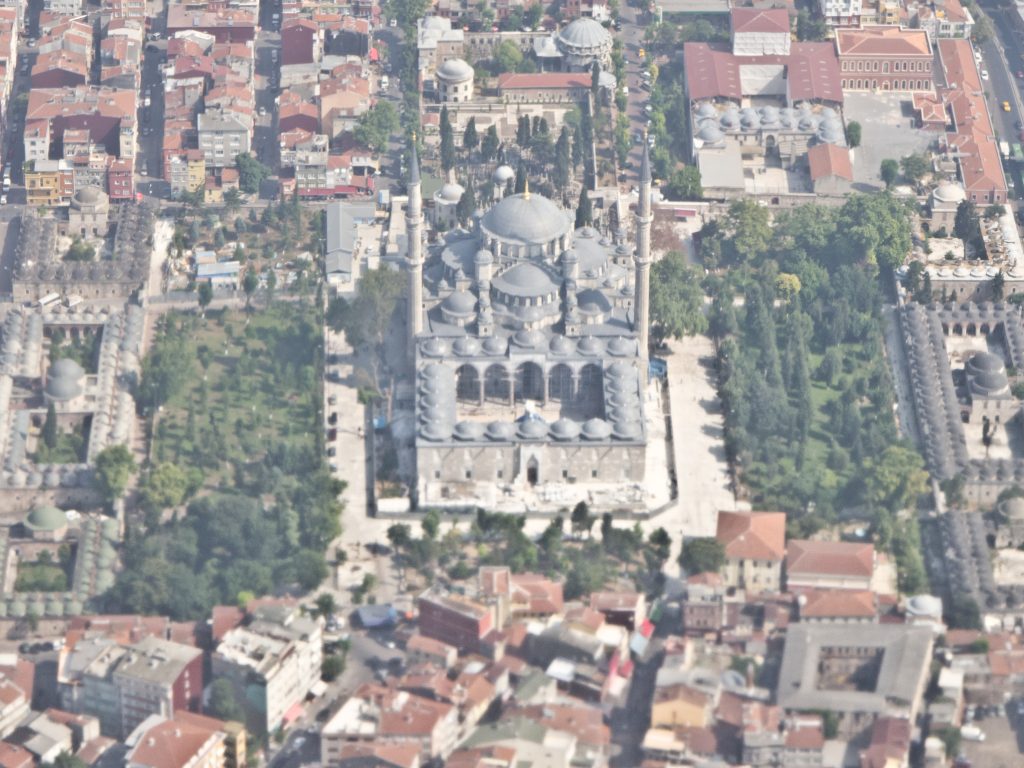
Located in the Fatih district, the mosque stands on one of the highest hills of Istanbul and forms the center of a large religious complex known as the Fatih Külliyesi.
Commissioned by Sultan Mehmed II, also known as Mehmed the Conqueror, the mosque was built on the site where the ruins of the Church of the Holy Apostles once stood, one of the most important churches of the Byzantine Empire.
Today, Fatih Mosque remains an active place of worship and a major historical monument representing the early period of Ottoman architecture.
More details
Aerial view of the Fatih Mosque and the surrounding külliye.
History of Fatih Mosque
The original Fatih Mosque was constructed between 1463 and 1470 during the reign of Sultan Mehmed II, shortly after the Ottoman conquest of Constantinople in 1453.
The mosque was part of a large complex that included schools, libraries, hospitals, kitchens for the poor, and other public institutions. These buildings served both religious and social functions for the community.
The mosque was named “Fatih,” meaning “Conqueror,” in honor of Sultan Mehmed II.
However, the original structure was severely damaged during the earthquake of 1766 and could not be repaired.
A new mosque was constructed on the same site between 1767 and 1771 during the reign of Sultan Mustafa III.
The architect of the reconstructed mosque was Mehmet Tahir Ağa, who also designed the Laleli Mosque.
Architecture of Fatih Mosque
The present Fatih Mosque reflects the architectural style of the 18th-century Ottoman period, although it still preserves elements from the earlier structure.
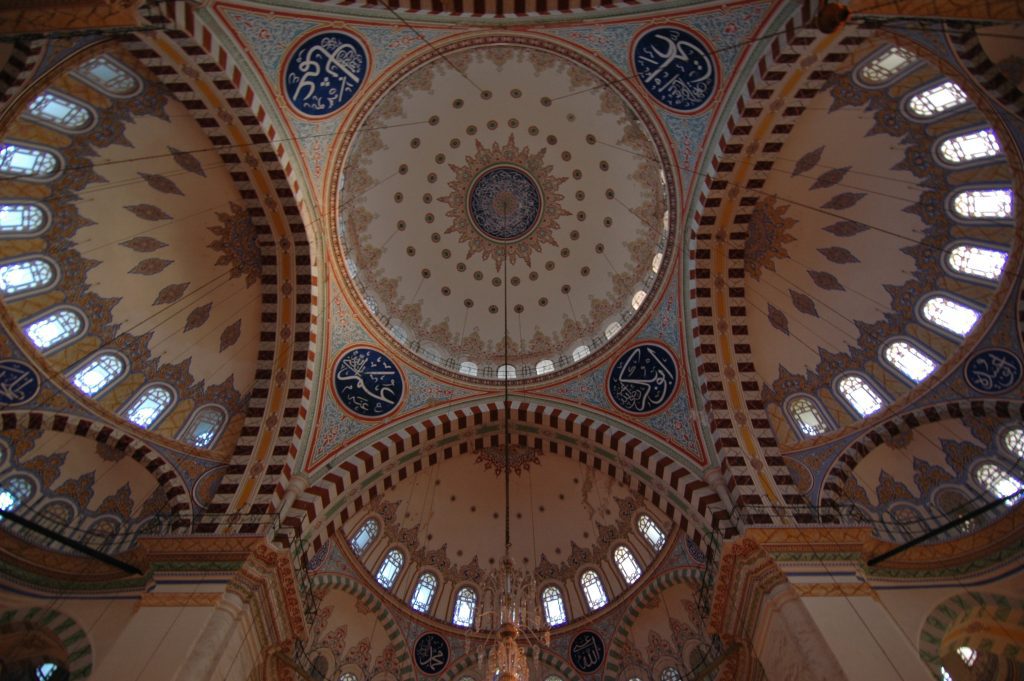
The mosque features a large central dome supported by semi-domes, creating a spacious and harmonious interior.
Two elegant minarets rise from the mosque complex and dominate the skyline of the surrounding district.
Inside the mosque, visitors can see decorative elements such as:
Ottoman calligraphy
ornamental tile panels
stained glass windows
Some of the tile panels located around the courtyard windows are believed to be original decorations from the first Fatih Mosque.
The Fatih Külliyesi
Fatih Mosque was designed as the center of a large külliye, or imperial complex.
This complex included:
madrasahs (Islamic schools)
libraries
a hospital
charitable kitchens
guesthouses
These institutions served the social and educational needs of the Ottoman capital.
Tomb of Mehmed the Conqueror
One of the most important features of the complex is the mausoleum of Sultan Mehmed II, located near the mosque.
The tomb stands behind the mosque near the qibla wall and is one of the most visited historical sites in the district.
Many visitors come to pay respect to the Ottoman ruler who conquered Constantinople and transformed the city into the capital of the Ottoman Empire.
Quick Facts About Fatih Mosque
Location: Fatih district, Istanbul
Built: 1463–1470 (original mosque)
Rebuilt: 1767–1771
Founder: Sultan Mehmed II (Mehmed the Conqueror)
Architect of Reconstruction: Mehmet Tahir Ağa
Original Site: Church of the Holy Apostles
Complex: Mosque, schools, hospital, libraries
Best Time to Visit Fatih Mosque
Fatih Mosque can be visited throughout the year.
Morning hours are usually quieter and allow visitors to explore the mosque complex more comfortably.
The surrounding Fatih district is lively throughout the day, especially around local markets and shops.
How to Reach Fatih Mosque
Fatih Mosque is located in the Fatih district on the historic peninsula.
By Tram
Visitors can take the T1 Tram Line to Aksaray Station and continue by walking or public transport.
By Metro
The nearest metro station is Vezneciler (M2 Line).
By Bus
Several bus lines connect the Fatih district with other parts of Istanbul.
Nearby Attractions
Several historical landmarks are located close to Fatih Mosque.
Valens Aqueduct (Bozdogan Kemeri)
A monumental Roman aqueduct built in the 4th century.
Suleymaniye Mosque
A masterpiece of Ottoman architecture designed by Mimar Sinan.
Grand Bazaar
One of the oldest covered markets in the world.
Zeyrek Mosque (Pantocrator Monastery)
A Byzantine religious complex dating from the 12th century.
FAQ
Who built Fatih Mosque?
The mosque was commissioned by Sultan Mehmed II, also known as Mehmed the Conqueror.
When was Fatih Mosque built?
The original mosque was built between 1463 and 1470, but it was rebuilt in 1767–1771 after an earthquake.
Why is Fatih Mosque important?
It was one of the first major imperial mosques built after the Ottoman conquest of Constantinople.
Where is Mehmed the Conqueror buried?
His mausoleum is located next to Fatih Mosque within the mosque complex.
Things to Know Before Visiting Fatih Mosque
The mosque is located in one of the oldest districts of Istanbul.
The tomb of Mehmed the Conqueror is located within the mosque complex.
Visitors should dress modestly when entering the mosque.
The area around the mosque contains traditional markets and local restaurants.
Reviews And Comments
Suggested Listings
Yavuz Sultan Selim Mosque and Madrasa

Nuruosmaniye Mosque Istanbul

Semsi Pasha Mosque Uskudar

Not rated yet.
Why don't you register your impressions?