


Fethiye Mosque (Pammakaristos Church) – A Byzantine Treasure in Istanbul
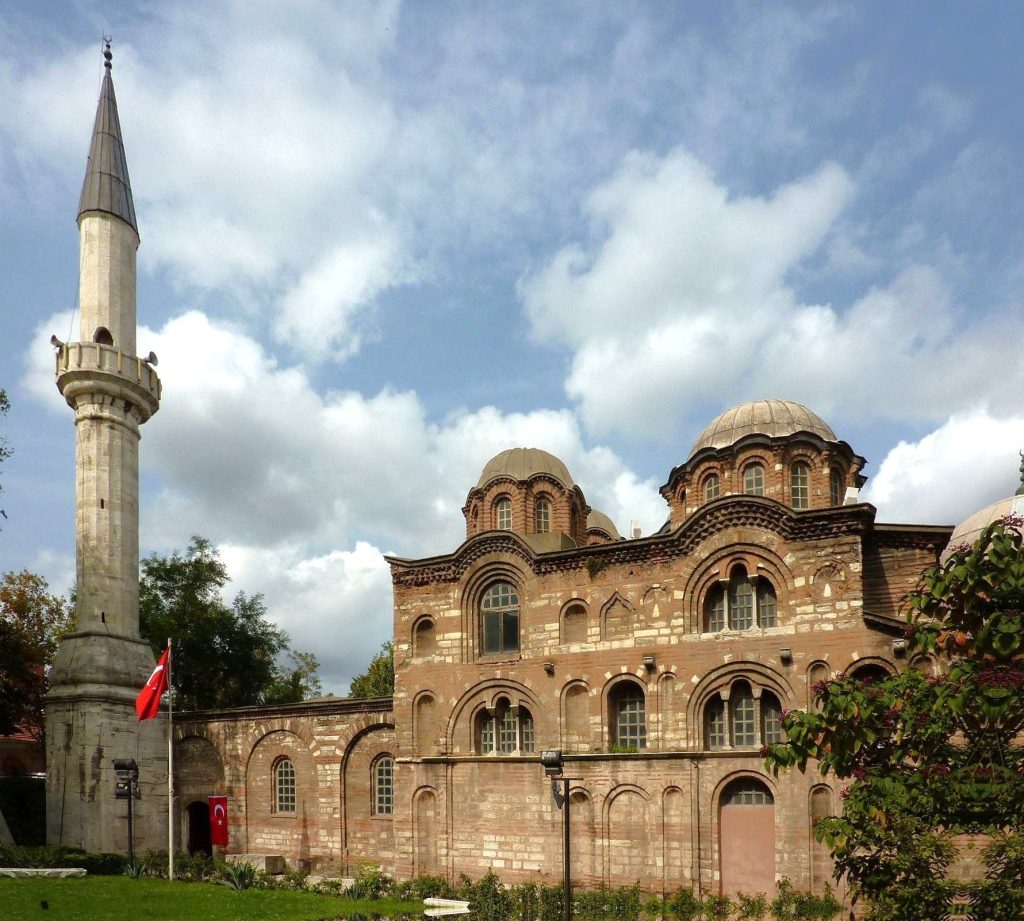
Fethiye Mosque, originally known as the Pammakaristos Church, is one of the most important surviving Byzantine monuments in Istanbul. Located in the Fatih district, the structure reflects the city’s complex religious and cultural history.
Today, the building functions partly as a mosque and partly as a museum, preserving both its Byzantine heritage and Ottoman transformation.
The complex consists of two adjacent churches, one larger than the other, forming an architectural ensemble that dates back to the Byzantine period.
History of Pammakaristos Church
The original church of the Pammakaristos Monastery was built in the early 12th century during the reign of Byzantine Emperor John II Komnenos (1118–1143).
The construction was associated with the imperial family, including Anna Komnene, a prominent Byzantine historian and princess.
Later, between 1290 and 1294, the church was restored by Michael Glabas Tarchaneiotes, a high-ranking Byzantine military commander and relative of Emperor Michael VIII Palaiologos.
After the death of Michael Glabas, his wife Maria Doukaina commissioned the construction of a parecclesion (funerary chapel) in 1315. This smaller structure served as a burial chapel and contains the tombs of both Michael Glabas and Maria.
Conversion into Fethiye Mosque
After the Ottoman conquest of Constantinople, the building continued to serve religious functions.
In 1587, during the reign of Sultan Murad III, the church was converted into a mosque following Ottoman military victories in Georgia and Azerbaijan. The building was renamed Fethiye Mosque, meaning “Mosque of the Conquest.”
The structure underwent repairs during the mid-19th century (1845–1846).
Later restorations carried out between 1936 and 1938 transformed the smaller chapel into a museum, while the main building continued to function as a mosque.
Architecture of the Complex
The complex consists of two connected churches built side by side.
The main church follows the cross-in-square plan typical of middle Byzantine architecture.
The smaller chapel, known as the parecclesion, was added later and serves as a funerary structure.
The architectural layout of this chapel resembles the additional structures found in other famous Byzantine monuments such as Chora Church (Kariye).
Byzantine Mosaics
The museum section of the complex contains 14th-century Byzantine mosaics that are considered highly valuable examples of late Byzantine art.
Although only a few mosaics survive, they display remarkable artistic quality and provide insight into Byzantine religious imagery.
These mosaics depict sacred figures and decorative motifs typical of the Palaiologan Renaissance, the final flourishing of Byzantine art.
Quick Facts About Fethiye Mosque
Location: Fatih district, Istanbul
Original Name: Pammakaristos Church
Built: 12th century
Converted to Mosque: 1587
Commissioned by: Sultan Murad III
Architecture: Middle Byzantine style
Complex: Main church and funerary chapel
Special Feature: 14th-century mosaics
Best Time to Visit Fethiye Mosque
The mosque and museum complex can be visited throughout the year.
Morning visits are usually quieter and allow visitors to explore the historic neighborhood comfortably.
The surrounding area is less crowded than central tourist districts, making it an interesting place to discover hidden Byzantine monuments.
How to Reach Fethiye Mosque
Fethiye Mosque is located in the Fatih district of Istanbul.
By Bus
Several bus lines from Eminonu or Unkapanı stop near the mosque.
By Metro
Visitors can take the M2 Metro Line to Halic Station and continue by walking or bus.
Walking
The mosque can also be reached from nearby historical areas such as Zeyrek and Balat.
Nearby Attractions
Several historical landmarks are located near Fethiye Mosque.
Zeyrek Mosque (Pantocrator Monastery)
One of the largest surviving Byzantine religious complexes in Istanbul.
Balat Historic District
A colorful historic neighborhood known for its traditional houses.
Valens Aqueduct
A monumental Roman aqueduct built in the 4th century.
Golden Horn
One of Istanbul’s most historic waterways.
FAQ
What was the original name of Fethiye Mosque?
The original name was Pammakaristos Church, a Byzantine monastery church built in the 12th century.
When was it converted into a mosque?
The church was converted into a mosque in 1587 during the reign of Sultan Murad III.
Why is Fethiye Mosque important?
It preserves rare Byzantine mosaics from the 14th century and reflects the transformation from church to mosque.
Can visitors see the mosaics?
Yes. The parecclesion section functions as a museum, where visitors can see the surviving mosaics.
Things to Know Before Visiting Fethiye Mosque
The complex functions both as a mosque and a museum.
The museum section contains valuable Byzantine mosaics.
The site is located in a quieter part of the Fatih district.
Visitors should dress modestly when entering the mosque section.
Reviews And Comments
Suggested Listings
Rahmi M Koc Museum

Topkapi Palace Istanbul

Nusretiye Mosque Istanbul

Not rated yet.
Why don't you register your impressions?