


Contact
- Dervişali, Kariye Cami Sk. No:18, 34087 Fatih/İstanbul
- +90 (0212) 512 23 20
- +90 (0212) 512 54 74
- istanbul@diyanet.gov.tr
THE HOUSE OF WORLD-FAMOUS MOSAICS AND FRESCOES
| MMonday | 09:00 AM - 18:00 |
| TTuesday | 09:00 AM - 18:00 |
| WWednesday | 09:00 AM - 18:00 |
| TThursday | 09:00 AM - 18:00 |
| FFriday | Closed |
| SSaturday | 09:00 AM - 18:00 |
| SSunday | 09:00 AM - 18:00 |
Chora Church (Kariye Mosque), Istanbul
Kariye Mosque, historically known as Chora Church, is one of the most extraordinary surviving examples of late Byzantine art in Istanbul. Located in the Edirnekapi neighborhood of Fatih, this remarkable monument is world-famous for its 14th-century mosaics and frescoes, which represent the artistic peak of the Palaiologan Renaissance.
Although smaller in scale than Hagia Sophia, the artistic richness of Kariye makes it one of the most rewarding historical sites in Istanbul. Its layered identity as a monastery church, Ottoman mosque, museum, and once again mosque reflects the city’s unique Byzantine and Ottoman heritage.
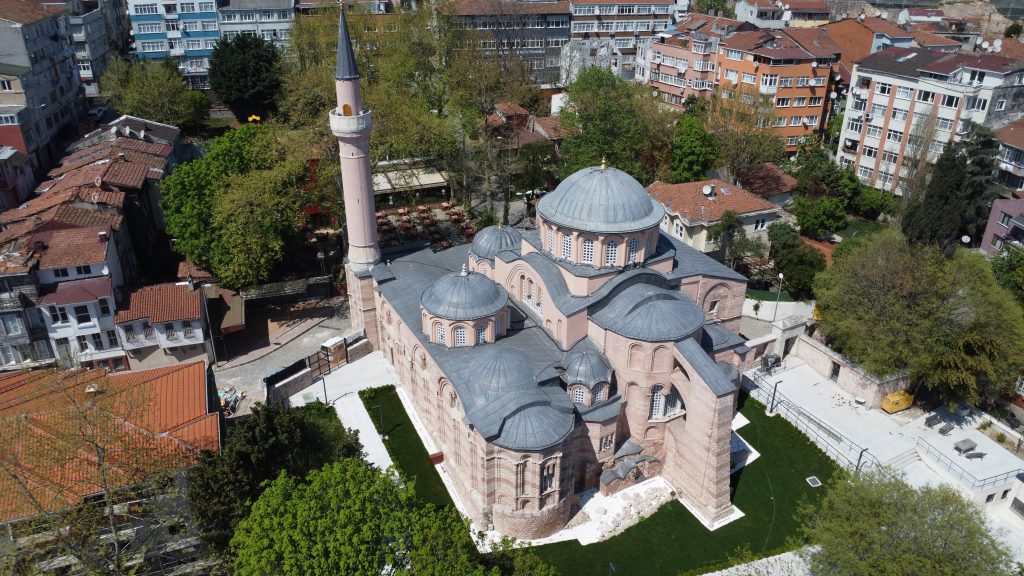
Quick Facts
- Location: Edirnekapi, Fatih, Istanbul
- Original Structure: Byzantine monastery church
- Main Renovation: 1315–1321
- Patron: Theodore Metochites
- Converted into Mosque: 1511
- Current Status: Mosque and historical monument
- Famous For: Byzantine mosaics, frescoes, funerary chapel
- Best Visit Duration: 45–90 minutes
History of Kariye
The earliest foundations of the Chora Monastery are believed to date back to the Byzantine period, possibly as early as the 8th century. Over time, the complex became closely connected to the imperial court because of its proximity to the Blachernae Palace.
The building reached its present form during the early 14th century under the patronage of Theodore Metochites, one of the most influential scholars and statesmen of the Byzantine Empire. Between 1315 and 1321, the church underwent a major reconstruction that included the rebuilding of the dome, expansion of the narthexes, and the creation of the southern funerary chapel known as the parecclesion.
After the Ottoman conquest, the structure was converted into a mosque in 1511, later became a museum in the 20th century, and today continues to function as Kariye Mosque while remaining one of Istanbul’s most important artistic monuments.
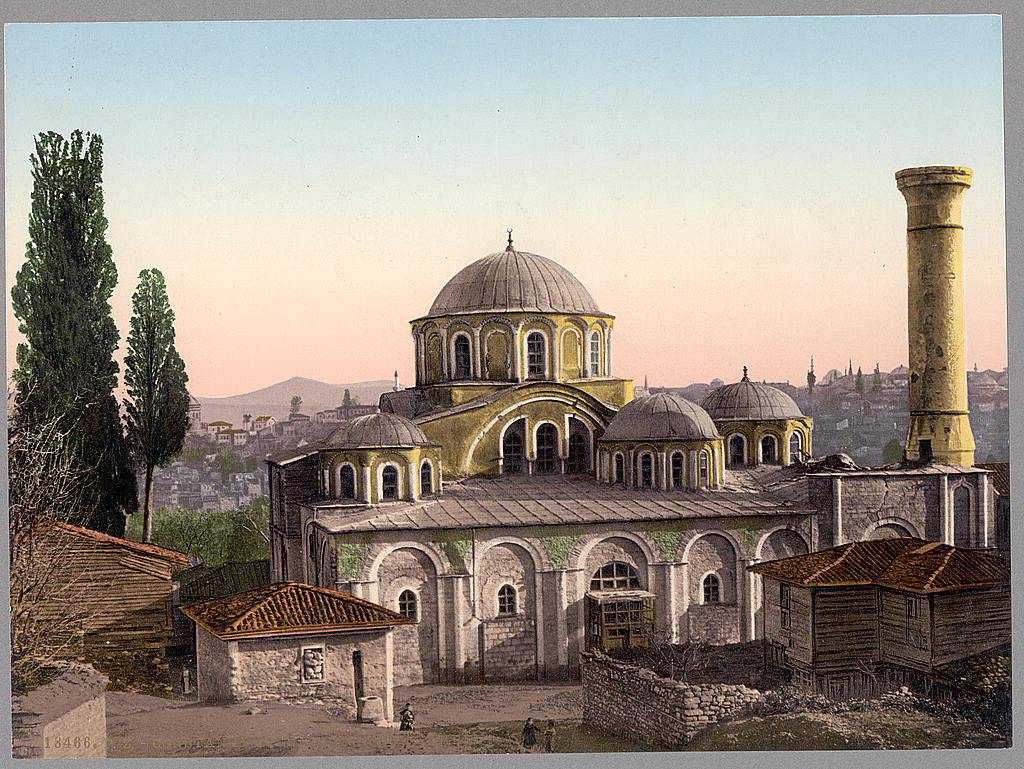
Byzantine Architecture
The architecture of Kariye is one of its most fascinating aspects. The church combines a compact Byzantine cross-in-square plan with richly layered additions from the Palaiologan period.
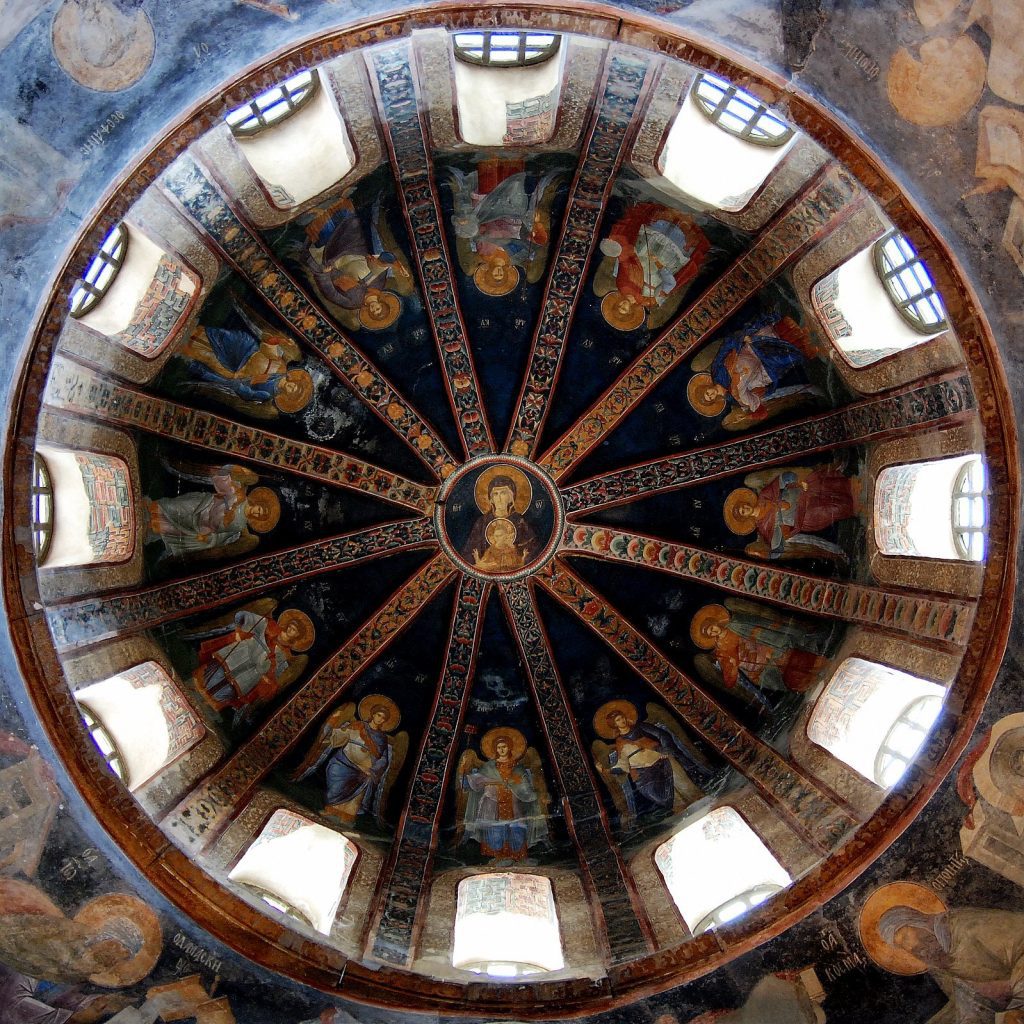
The inner and outer narthexes, central naos, and especially the southern parecclesion chapel create a highly sophisticated spatial sequence. One of the most impressive architectural details is the dome of the parecclesion, which crowns one of the most significant funerary spaces in Byzantine architecture.
Despite its relatively modest exterior, the building reveals extraordinary complexity once inside.
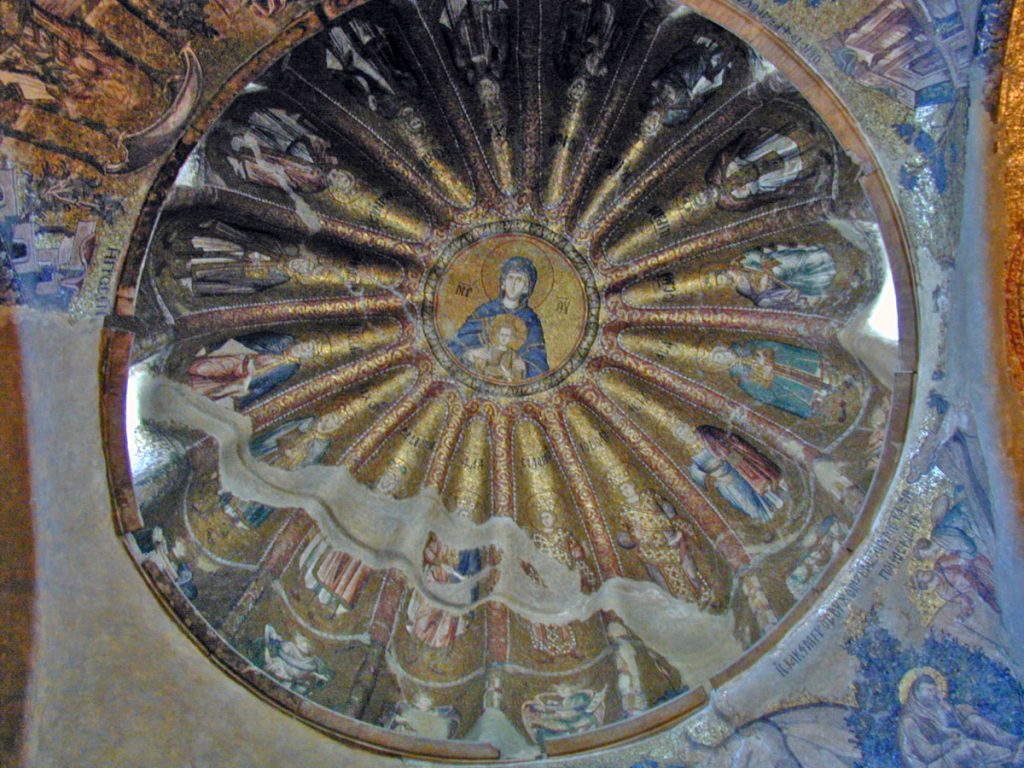
Famous Mosaics and Frescoes
Kariye is globally celebrated for its breathtaking mosaics and frescoes, which are among the finest surviving examples of 14th-century Byzantine religious art.
The narthex mosaics depict scenes from the lives of Christ and the Virgin Mary, while the parecclesion frescoes focus on resurrection, salvation, and the Last Judgment.
One of the most famous artworks is the Anastasis fresco, where Christ is shown pulling Adam and Eve from their tombs—widely considered one of the masterpieces of Byzantine art.
The expressive figures, dramatic movement, and emotional depth of these scenes make Kariye one of the most unforgettable art experiences in Istanbul.
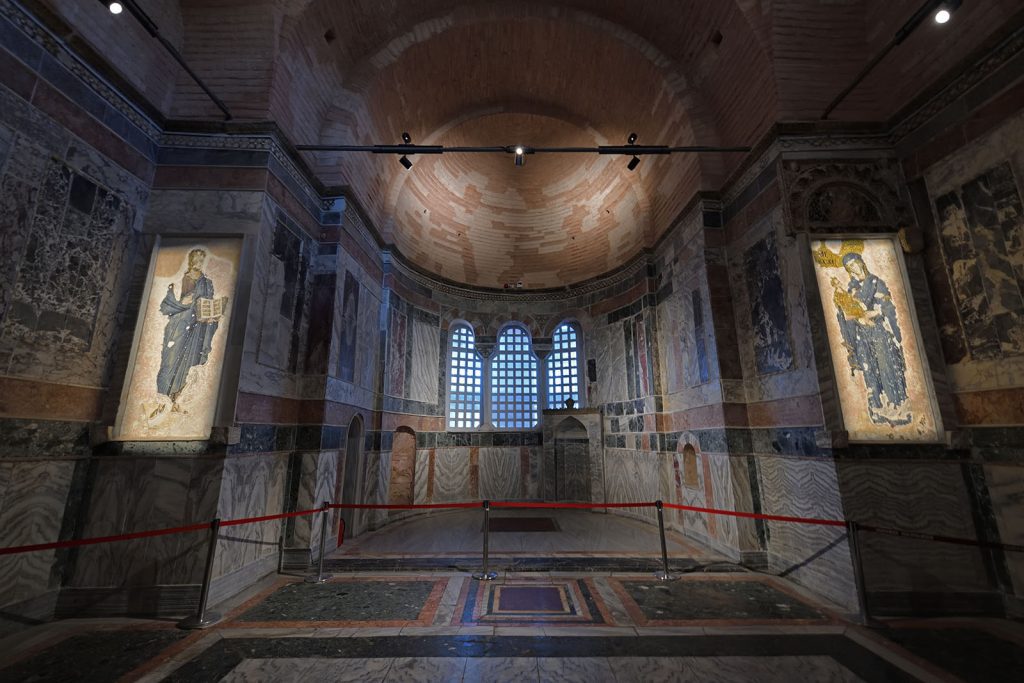
Is Kariye a Mosque or Museum?
This is one of the most common questions visitors ask.
Today, the building officially functions as Kariye Mosque, meaning it is an active mosque open for worship.
However, visitors can still enter and admire many of the famous mosaics and frescoes, although some sections may be partially covered during prayer times.
This dual identity as both an active mosque and one of the world’s most important Byzantine art monuments is exactly what makes Kariye so unique.
Best Time to Visit
The best time to visit Kariye is early in the morning on weekdays, when the interior is quieter and there are fewer visitors.
Spring and autumn are especially enjoyable because you can combine the visit with a long walk through Balat, Fener, and Edirnekapi.
How to Reach
Kariye is located in the Edirnekapi area of Fatih.
The easiest way is to take the T1 tram to Eminönü, then continue by bus, taxi, or a short ride toward Edirnekapi.
It also combines beautifully with a walking route through Balat and Fener, especially for travelers interested in Istanbul’s Byzantine and Ottoman layers.
Nearby Attractions
Nearby attractions include:
This makes Kariye an excellent stop on a Byzantine heritage route in Istanbul.
Things to Know Before Visiting
Because Kariye currently functions as a mosque, modest clothing is recommended.
Some mosaics and frescoes may be partially covered depending on prayer schedules.
The visit usually takes 45 to 90 minutes, but many visitors stay longer because of the extraordinary artistic detail.
It pairs especially well with a Balat + Fener walking itinerary.
FAQ
What is Kariye famous for?
Kariye is famous for its extraordinary Byzantine mosaics and frescoes from the 14th century.
Is it a mosque or museum?
It currently functions as a mosque, but visitors can still admire many historic artworks.
How long should I spend here?
Most visitors spend 45–90 minutes.
Is it worth visiting?
Absolutely—especially if you love Byzantine history, religious art, and quieter historical sites beyond Sultanahmet.
Browse The Map
Reviews And Comments
Suggested Listings
Blue Mosque (Sultanahmet Camii) Istanbul

Yildiz Hamidiye Mosque

Nuruosmaniye Mosque Istanbul

Not rated yet.
Why don't you register your impressions?