


Contact
- Kuşcenneti, 10200 Bandırma/Balıkesir
- info@allabouturkiye.com
Listen to Nature Take Flight
| MMonday | Open 24 Hours |
| TTuesday | Open 24 Hours |
| WWednesday | Open 24 Hours |
| TThursday | Open 24 Hours |
| FFriday | Open 24 Hours |
| SSaturday | Open 24 Hours |
| SSunday | Open 24 Hours |
A Living Sanctuary of Birds, Water, and Silence
Located in the heart of the Marmara Region of Türkiye, Manyas Kuş Cenneti National Park is one of the country’s most scientifically significant wetlands and wildlife reserves. Situated near Lake Manyas (Manyas Gölü), this internationally recognized protected area holds a unique place in both European and Anatolian environmental history.
The ecological value of the area was first recognized in 1938 by German ornithologist Professor Curt Kosswig, whose personal scientific efforts brought international attention to the wetland. Thanks largely to his dedication and advocacy, a 64-hectare section of the marshland was officially designated as a national park in 1959, making it one of the earliest protected nature reserves in Türkiye.
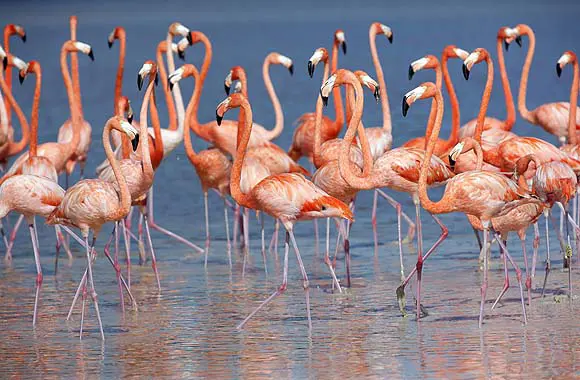
Positioned directly on major bird migration routes, Manyas Kuş Cenneti serves as a critical resting, feeding, and breeding ground for migratory birds traveling between Europe, Asia, and Africa. Today, the park hosts approximately 266 bird species, including eight species that are now extinct in Europe, underscoring its global conservation value. Of these, 66 species are known to breed within the park, using its reeds, shallow waters, and wet meadows as nesting grounds.
Among the most notable residents and visitors are cormorants, grey herons, spoonbills, crested pelicans, and pygmy cormorants — species that rely on the park’s fragile wetland ecosystem. The combination of freshwater inflows, reed beds, and surrounding forested zones creates a rare biodiversity corridor that supports birds, fish, amphibians, and endemic plant life.
In recognition of its outstanding ecological importance, Manyas Kuş Cenneti was awarded the European Council’s International “A Class Diploma” in 1976. However, due to disruptions in the ecological balance of the region, the diploma was suspended in 2000, serving as a reminder of how sensitive and vulnerable wetland systems can be.
Yet beyond statistics and titles, there is a quiet, humbling presence here. Standing on an observation tower, watching pelicans glide low over the reeds, you feel less like a visitor and more like a witness. Manyas Kuş Cenneti does not perform — it continues, patiently, as it has for centuries.
How to Get There
Manyas Kuş Cenneti is located between Bandırma and Balıkesir, near the town of Manyas.
By Car:
From Balıkesir city center, it takes approximately 1.5 hours by car. Follow the Balıkesir–Bandırma road and signs for Manyas and Kuş Cenneti National Park.From Bandırma:
About 30–40 minutes by car.Public Transport:
Buses and minibuses run to Manyas town; from there, local transport or taxis reach the park entrance.
What’s Around
Manyas Kuş Cenneti is ideal for internal and external linking due to its location:
Lake Manyas (Manyas Gölü) – wetland ecosystem and bird habitat
Bandırma – coastal city with ferry connections and museums
Erdek Peninsula – beaches and seaside towns
Balıkesir City Center – museums, local cuisine, urban attractions
Kapıdağ Peninsula – natural landscapes and coastal villages
Best Time to Visit
Spring (March–May): Peak migration and breeding season
Autumn (September–November): High bird diversity and softer light
Summer: Calm atmosphere, fewer birds but lush scenery
Winter: Select species remain; quiet and atmospheric
Browse The Map
Reviews And Comments
Suggested Listings
Kapıdağ Peninsula – Balıkesir
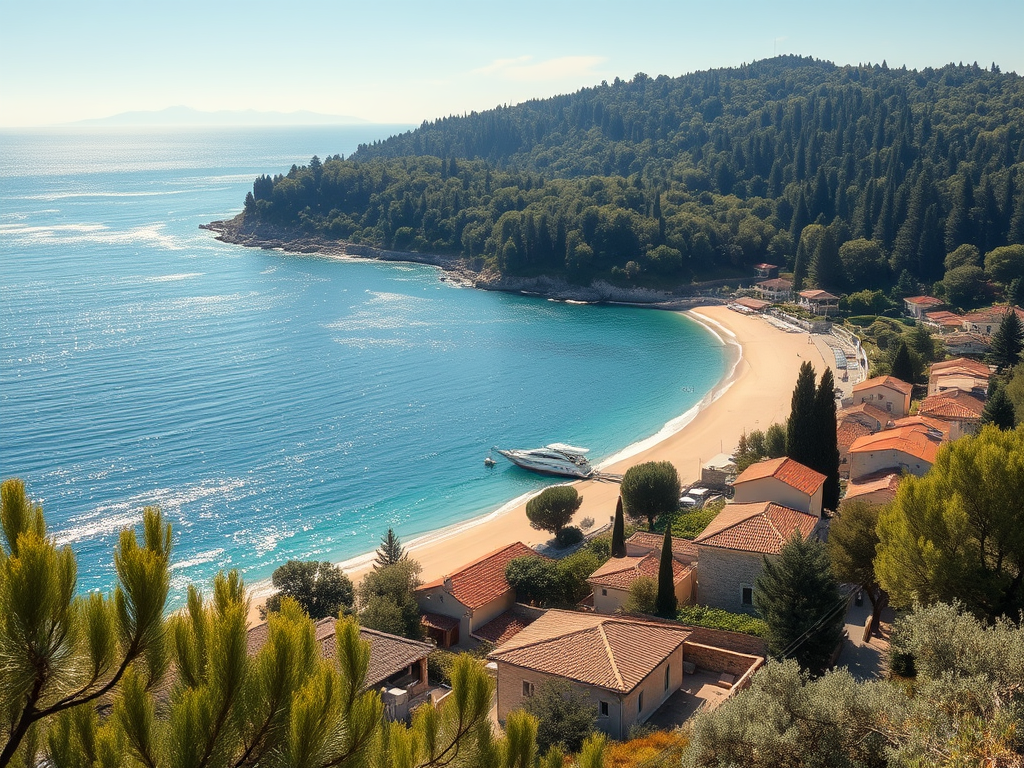
Bandırma Balıkesir Turkiye

Ayvalık, Balıkesir Turkiye

Not rated yet.
Why don't you register your impressions?