


Where the Past Lives in Every Stone
| MMonday | Open 24 Hours |
| TTuesday | Open 24 Hours |
| WWednesday | Open 24 Hours |
| TThursday | Open 24 Hours |
| FFriday | Open 24 Hours |
| SSaturday | Open 24 Hours |
| SSunday | Open 24 Hours |
Mardin Travel Guide – A Living Tapestry of Civilizations
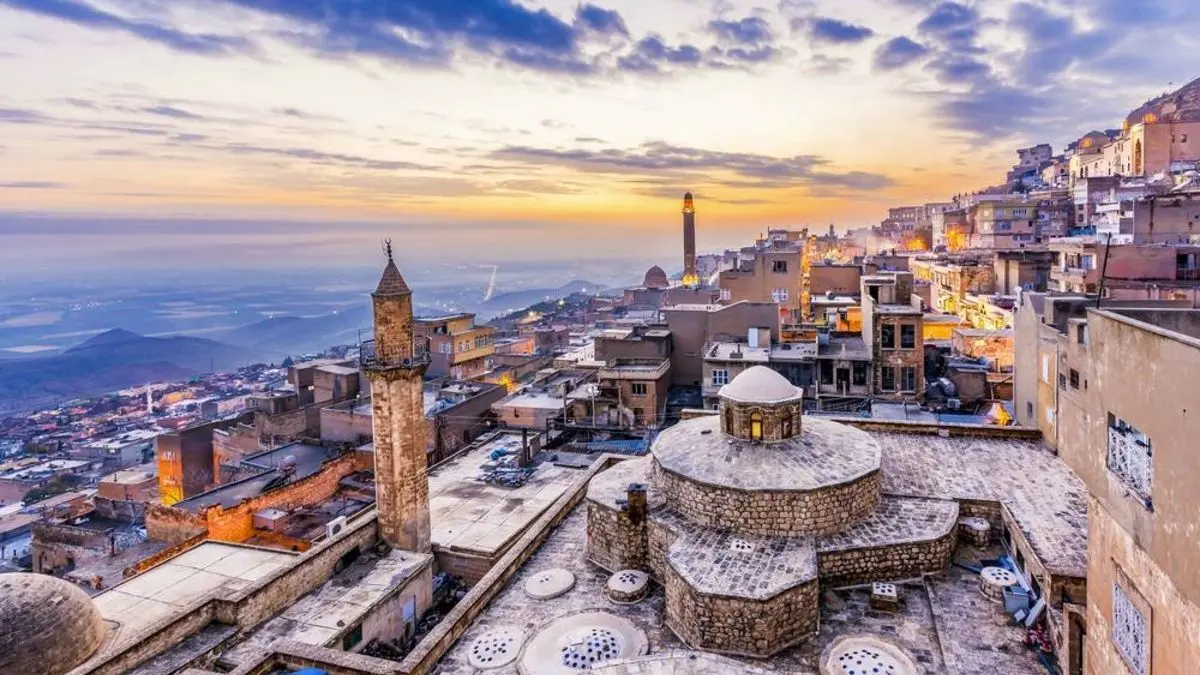
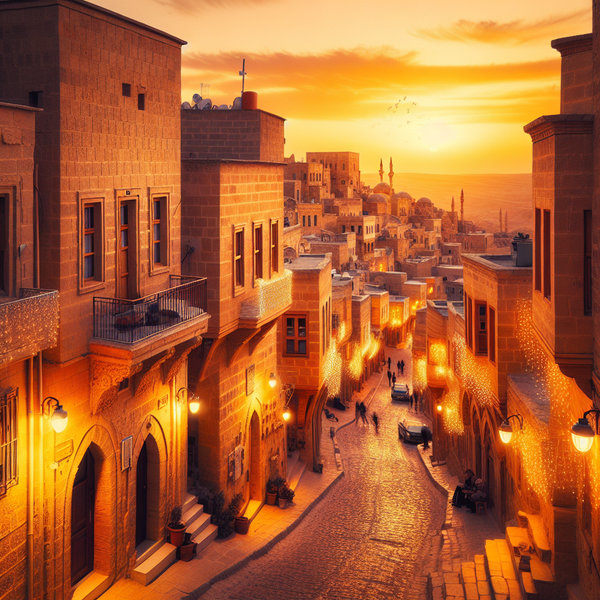
Perched on a sun-drenched hillside overlooking the Mesopotamian plains, Mardin is one of the most enchanting cities in southeastern Türkiye. With its honey-colored stone houses cascading down narrow cobbled streets, ancient monasteries echoing with centuries of faith, and the scent of cardamom coffee floating through the air, Mardin feels less like a place you simply visit and more like a story you step into.
This city has been home to civilizations for thousands of years—Assyrians, Persians, Romans, Byzantines, Arabs, Seljuks, Artukids, and Ottomans—all leaving their imprint on its architecture, cuisine, language, and spirit. Today, it stands as a harmonious mosaic of cultures where history is not just preserved, but lived.
History and Cultural Heritage
Mardin’s roots run deep into the cradle of civilization: Mesopotamia. The city’s name is thought to derive from the Syriac word Marde, meaning “fortress.” Its strategic hilltop position made it an important settlement on the Silk Road, a crossroads where traders, pilgrims, and conquerors met.
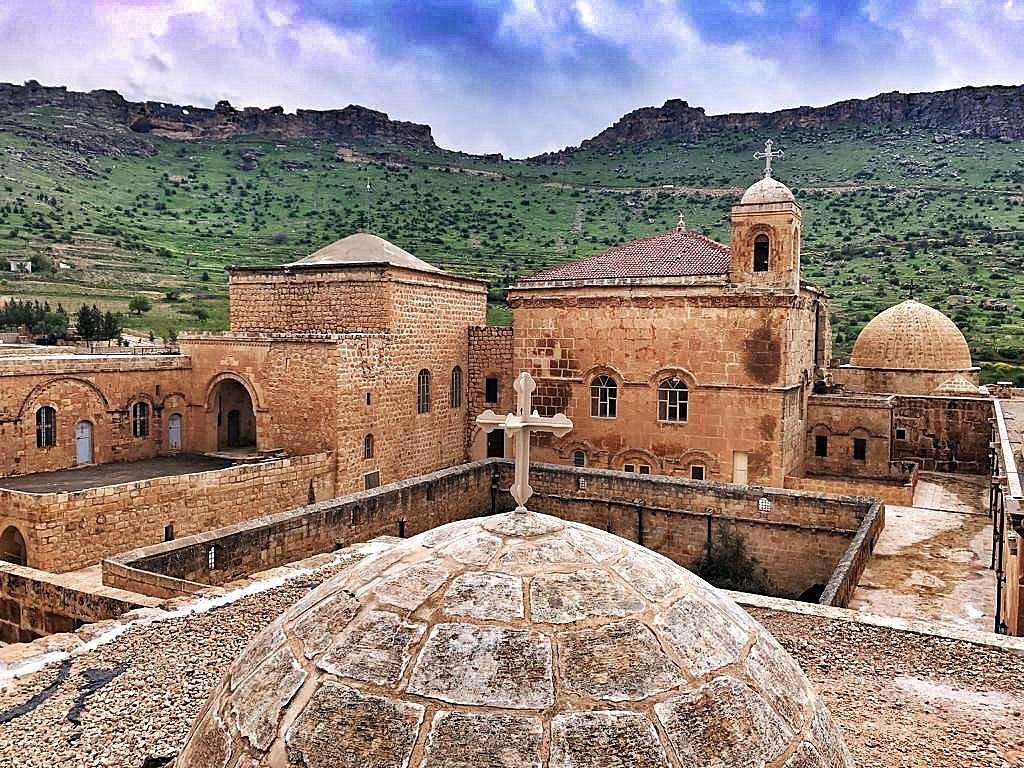
Throughout history, Mardin was an important center for the Assyrian Church of the East and later for the Syriac Orthodox Church. Many of its monasteries—like Deyrulzafaran Monastery—date back to early Christianity and remain active today. The city was also ruled by the Artukid dynasty, whose elegant stone craftsmanship is visible on many facades.
Unlike many modernized urban centers, Mardin’s old city retains its original fabric. The golden limestone used in construction reflects the soft light of the setting sun, giving the entire town a glowing, almost cinematic aura. This is a place where the call to prayer blends with church bells, where Arabic, Kurdish, Turkish, and Syriac words flow together like water.
Architectural Treasures
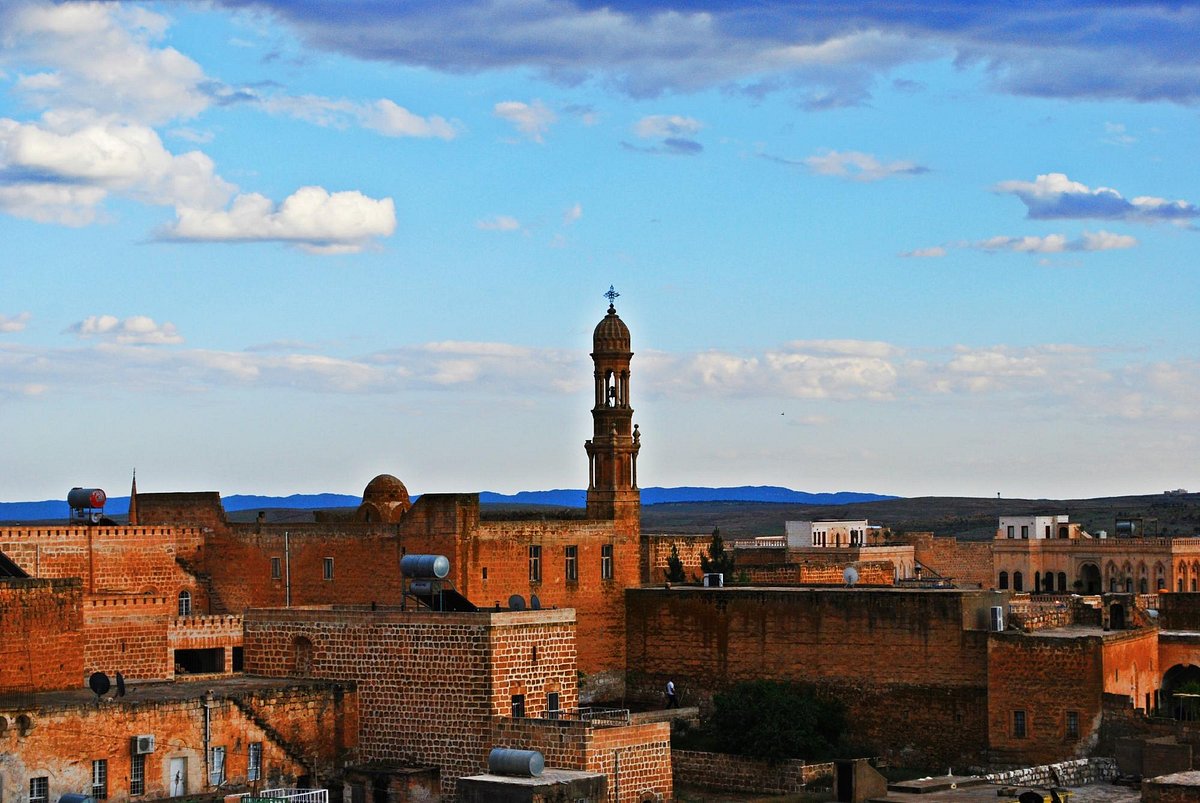
One of Mardin’s greatest charms is its architecture. The city’s old quarter is a UNESCO Tentative List site, famous for its terraced houses built in perfect harmony with the landscape. Wandering through its alleys is like walking through an open-air museum.
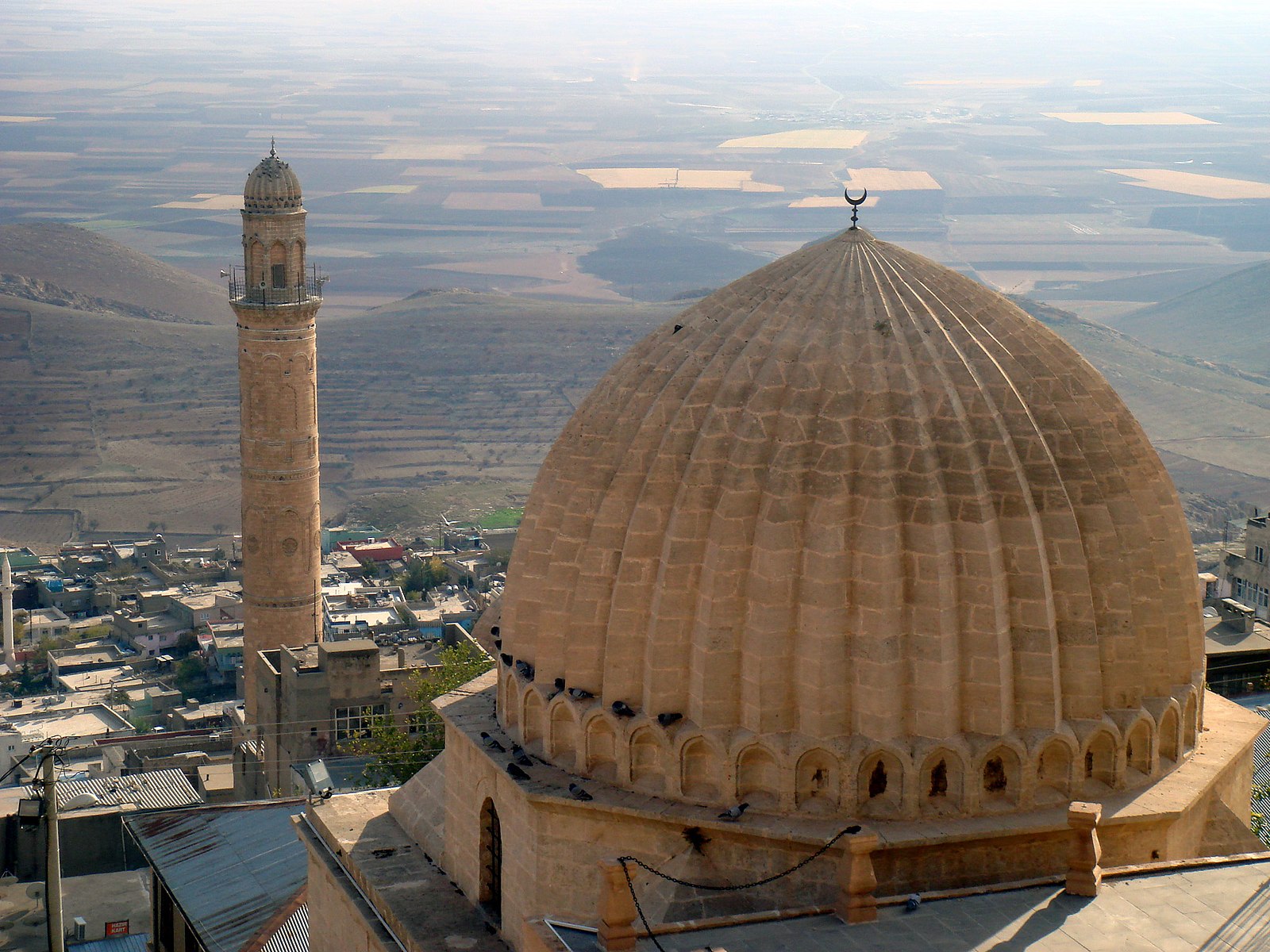
Ulu Cami (Great Mosque) — Built during the Artukid period, its minaret dominates the skyline.
⛪ Deyrulzafaran Monastery — A magnificent Syriac Orthodox monastery dating back over 1,500 years.
Mardin Castle — Though closed to visitors, the silhouette of the ancient fortress crowns the hill and tells stories of medieval power.
Madrassas and stone mansions — Decorated with geometric carvings, delicate arches, and inner courtyards.
Every archway, courtyard, and stairway seems to whisper an old legend. Locals say that at sunset, when the sun kisses the golden walls, the city glows like a lantern.
Food and Culinary Culture
Mardin’s cuisine reflects its cultural layers. Influences from Arab, Kurdish, Assyrian, and Ottoman kitchens blend beautifully in its recipes. A visit to Mardin is incomplete without tasting:
Kaburga Dolması – slow-cooked stuffed lamb ribs
İkbebet – a type of içli köfte (meat-filled bulgur dumpling)
Kibe and local flatbreads baked in stone ovens
Süryani Wine – a centuries-old winemaking tradition kept alive in Midyat.
☕ Mırra, the local bitter coffee, served strong and ceremonial.
Wandering through the bazaar, the air carries a mix of roasted nuts, fresh bread, sweet dates, and the spice of sumac. Locals offer visitors a warm welcome and often a small taste of their table.
Things to Do in Mardin
Explore the Old Town — Walk through stone alleys, visit Ulu Cami, and enjoy panoramic views from rooftop cafes.
️ Visit Deyrulzafaran Monastery — Just a short drive from the center, this monastery is a living spiritual site.
Discover Dara Antik Kenti — Once a Roman border city, Dara offers incredible rock-cut tombs and ancient cisterns.
️ Midyat Old Town — Known for silver telkari handicrafts, traditional architecture, and charming streets.
Relax by Beyazsu Deresi — A peaceful stream and picnic area ideal for warm summer days.
Shop for local crafts — Silver jewelry, copper trays, spices, and handmade soaps make perfect souvenirs.
How to Get There
Mardin is well connected by air, road, and bus networks.
✈️ By plane: Mardin Airport (MQM) receives daily flights from major cities like İstanbul and Ankara. The city center is about 20 minutes away by taxi or shuttle.
By bus: Long-distance buses connect Mardin to Diyarbakır, Gaziantep, Şanlıurfa, and other cities.
By car: Driving offers scenic views through the Southeast Anatolia region. Car rental is available at the airport.
Best Time to Visit
Mardin experiences hot summers and mild winters. The best times to visit are spring (April–June) and autumn (September–November) when the weather is pleasantly warm, ideal for sightseeing and photography.
Sunset is the most magical time—when the golden stone buildings light up softly against the Mesopotamian horizon.
Storytelling Moment: “A Golden Hour Walk”
As the call to prayer echoes from Ulu Cami and the sky melts into shades of amber, you climb a stone staircase that opens to a terrace overlooking endless plains. A local woman, her silver bracelets glinting in the light, offers you a cup of mırra coffee. You sip it slowly. Down below, children play, merchants close their shops, and the ancient city breathes. In Mardin, the past isn’t gone—it walks beside you.
Browse The Map
Reviews And Comments
Suggested Listings
Beyazsu River (Beyazsu Deresi), Mardin

Dara Ancient City, Mardin

Midyat District Mardin

Not rated yet.
Why don't you register your impressions?