




Contact
- Cankurtaran, Topkapı Sarayı, No:1, 34122 Fatih/İstanbul
- +90 (0212) 512 04 80
- info@allabouturkiye.com
| MMonday | 09:00 AM - 17:30 |
| TTuesday | Closed |
| WWednesday | 09:00 AM - 17:30 |
| TThursday | 09:00 AM - 17:30 |
| FFriday | 09:00 AM - 17:30 |
| SSaturday | 09:00 AM - 17:30 |
| SSunday | 09:00 AM - 17:30 |
Church of Hagia Eirene – A Unique Byzantine Church in Istanbul
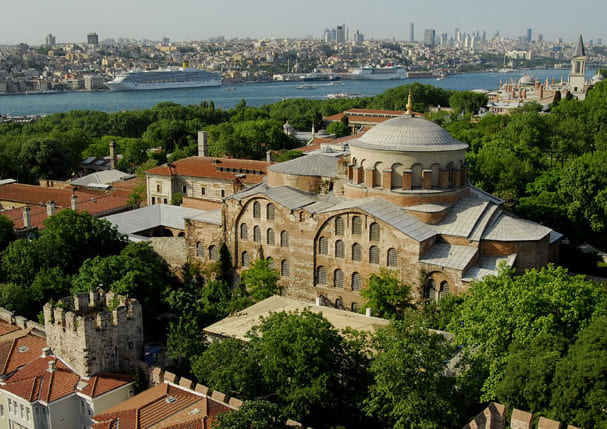
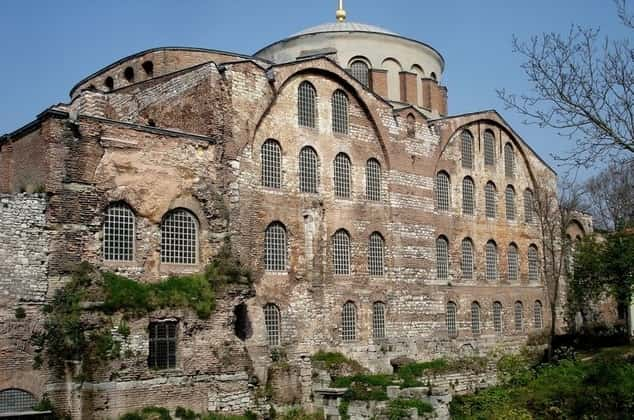
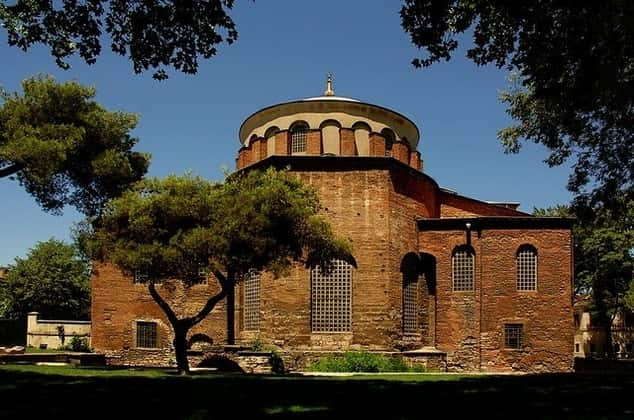
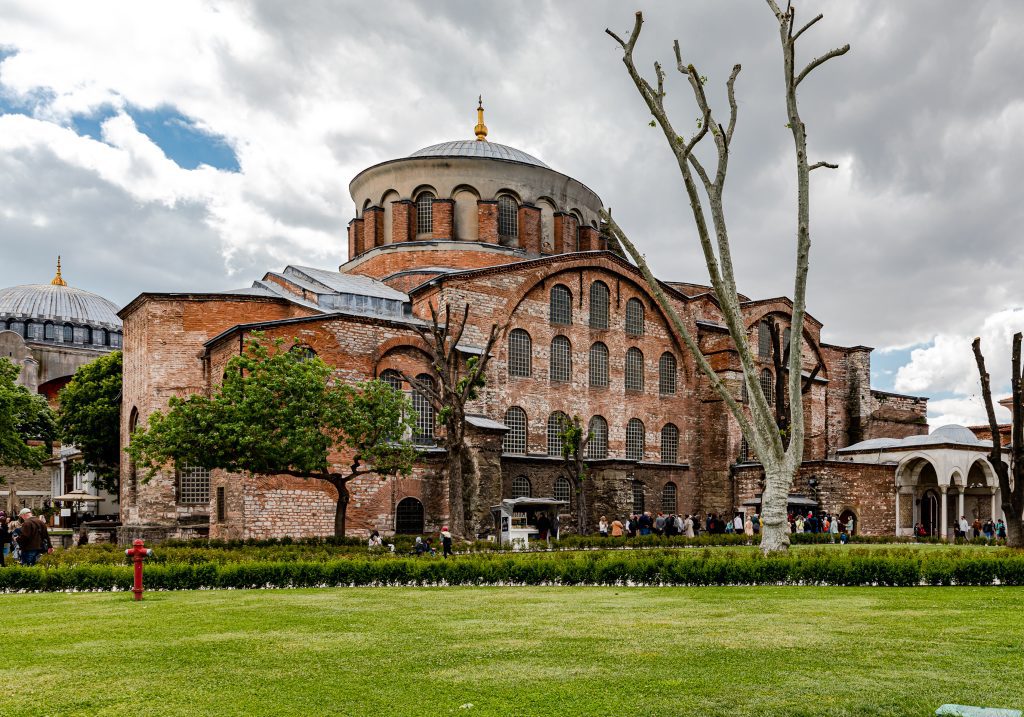
Located in the First Courtyard of Topkapi Palace, the Church of Hagia Eirene is one of the oldest and most historically significant Byzantine structures in Istanbul. Unlike many other Byzantine churches in the city, Hagia Eirene was never converted into a mosque during the Ottoman period, allowing it to preserve much of its original character.
The church stands within the outer courtyard of the imperial palace complex, close to the entrance gate known as Bab-ı Hümayun. Surrounded by the historical atmosphere of the palace grounds, Hagia Eirene offers visitors a rare opportunity to see a Byzantine church that remained largely unchanged through centuries of Ottoman rule.
Today, the building is especially known for its remarkable acoustics and occasionally hosts classical music concerts and cultural events.
History of Hagia Eirene
Hagia Eirene, meaning “Holy Peace,” was originally constructed during the reign of Byzantine Emperor Constantine I in the 4th century. Later, the church was rebuilt and expanded by Emperor Justinian I in the 6th century at roughly the same time as Hagia Sophia.
During the Byzantine period, Hagia Eirene was part of a large religious complex that included monasteries and other ecclesiastical buildings.
In 738 AD, the church suffered damage during a major earthquake. Afterward, it was restored and rebuilt, giving the structure much of the architectural appearance that survives today.
Following the Ottoman conquest of Constantinople in 1453, many churches in the city were converted into mosques. Hagia Eirene, however, was not transformed into a mosque. Instead, it was used as an imperial armory, storing weapons and military equipment for the Ottoman army.
The building later became one of the earliest museum spaces in the Ottoman Empire when it was used to display historical weapons and artifacts in the 19th century.
Architecture of Hagia Eirene
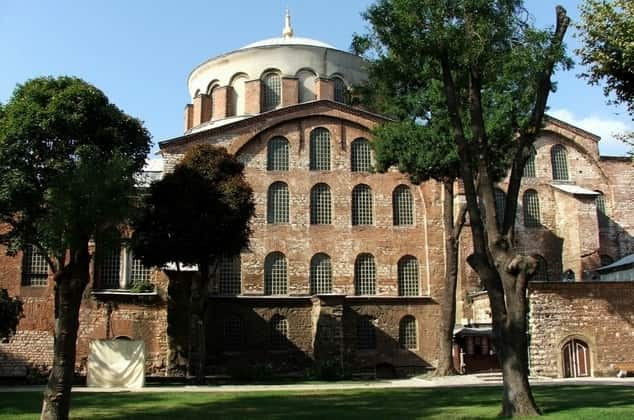
The Church of Hagia Eirene has a rectangular basilica plan and is covered by two domes, a design that reflects early Byzantine architectural traditions.
One of the most remarkable features of the church is its large atrium, or courtyard, which still survives today. Hagia Eirene is the only Byzantine church in Istanbul with its atrium preserved, making it particularly important for historians and archaeologists.
Inside the church, visitors can observe the gallery floors above the side aisles, which overlook the central nave.
The most striking decorative element is the large golden cross in the apse, which remains from the Byzantine period. This cross is especially significant because most religious imagery in the church was destroyed during the Iconoclasm period (726–843), when the use of religious images was banned in the Byzantine Empire.
As a result, the simple yet powerful cross symbol is the only surviving original decoration in the apse.
Hagia Eirene Today
Today, Hagia Eirene is managed as part of the Topkapi Palace Museum complex.
Although the church is not always open for regular visits, it is frequently used as a concert hall thanks to its exceptional acoustics. Since 1973, the building has hosted performances during the Istanbul Music Festival, where classical music concerts take place in the atmospheric interior of the historic structure.
The combination of ancient architecture and outstanding acoustics creates a unique setting for cultural events.
Quick Facts About Hagia Eirene
Location: First Courtyard of Topkapi Palace, Istanbul
Built: 4th century (rebuilt in the 6th century)
Rebuilt by: Emperor Justinian I
Architectural Style: Byzantine basilica with domes
Unique Feature: Only Byzantine church in Istanbul with preserved atrium
Ottoman Period Use: Imperial armory
Current Use: Cultural venue and concert hall
Best Time to Visit Hagia Eirene
Because Hagia Eirene is located within the Topkapi Palace complex, visitors usually encounter it while exploring the First Courtyard of the palace.
If the building is open for visits or events, early morning hours are often the best time to experience the peaceful atmosphere of the courtyard.
Special concerts and cultural events held inside the church provide a unique opportunity to experience the building’s remarkable acoustics.
How to Reach Hagia Eirene
Hagia Eirene is located inside the First Courtyard of Topkapi Palace in the Sultanahmet district.
By Tram
The T1 Tram Line is the easiest way to reach the palace complex. Visitors can get off at Sultanahmet or Gülhane tram stops.
From either stop, the entrance to Topkapi Palace is within a short walking distance.
Nearby Attractions
Several major historical landmarks are located close to Hagia Eirene.
Topkapi Palace
The former residence of Ottoman sultans and one of Istanbul’s most important museums.
Hagia Sophia
A monumental structure representing both Byzantine and Ottoman history.
Basilica Cistern
An underground Byzantine water reservoir famous for its atmospheric columns.
Gülhane Park
A historic park offering views of the Bosphorus and peaceful walking paths.
FAQ
What is Hagia Eirene Church?
Hagia Eirene is one of the oldest Byzantine churches in Istanbul, located within the First Courtyard of Topkapi Palace.
Was Hagia Eirene converted into a mosque?
No. Unlike many other Byzantine churches in Istanbul, Hagia Eirene was never converted into a mosque during the Ottoman period.
Why is Hagia Eirene famous?
The church is famous for its preserved atrium, Byzantine architecture, and exceptional acoustics used for classical music concerts.
Can visitors enter Hagia Eirene?
The church is not always open for general visits but is occasionally used for concerts and cultural events.
Things to Know Before Visiting Hagia Eirene
Hagia Eirene is located inside the Topkapi Palace complex.
Access may depend on palace visiting conditions or special events.
The church is well known for its acoustic quality, making it a popular venue for classical concerts.
Visitors can still see the exterior and courtyard even when the interior is closed.
Browse The Map
Reviews And Comments
Suggested Listings
The Cistern of Philoxenos (Binbirdirek)
Eyup

Borusan Contemporary (Perili Köşk)

Not rated yet.
Why don't you register your impressions?