


Contact
- Yedikule, Yedikule Meydanı Sk. No:9, 34107 Fatih/İstanbul
- +90 (0212) 453 14 53
- info@allabouturkiye.com
- yedikulehisari.com/en
History That Defied Centuries
| MMonday | 09:00 AM - 18:00 |
| TTuesday | 09:00 AM - 18:00 |
| WWednesday | 09:00 AM - 18:00 |
| TThursday | 09:00 AM - 18:00 |
| FFriday | 09:00 AM - 18:00 |
| SSaturday | 09:00 AM - 18:00 |
| SSunday | 09:00 AM - 18:00 |
Walls of Istanbul – Theodosian Walls
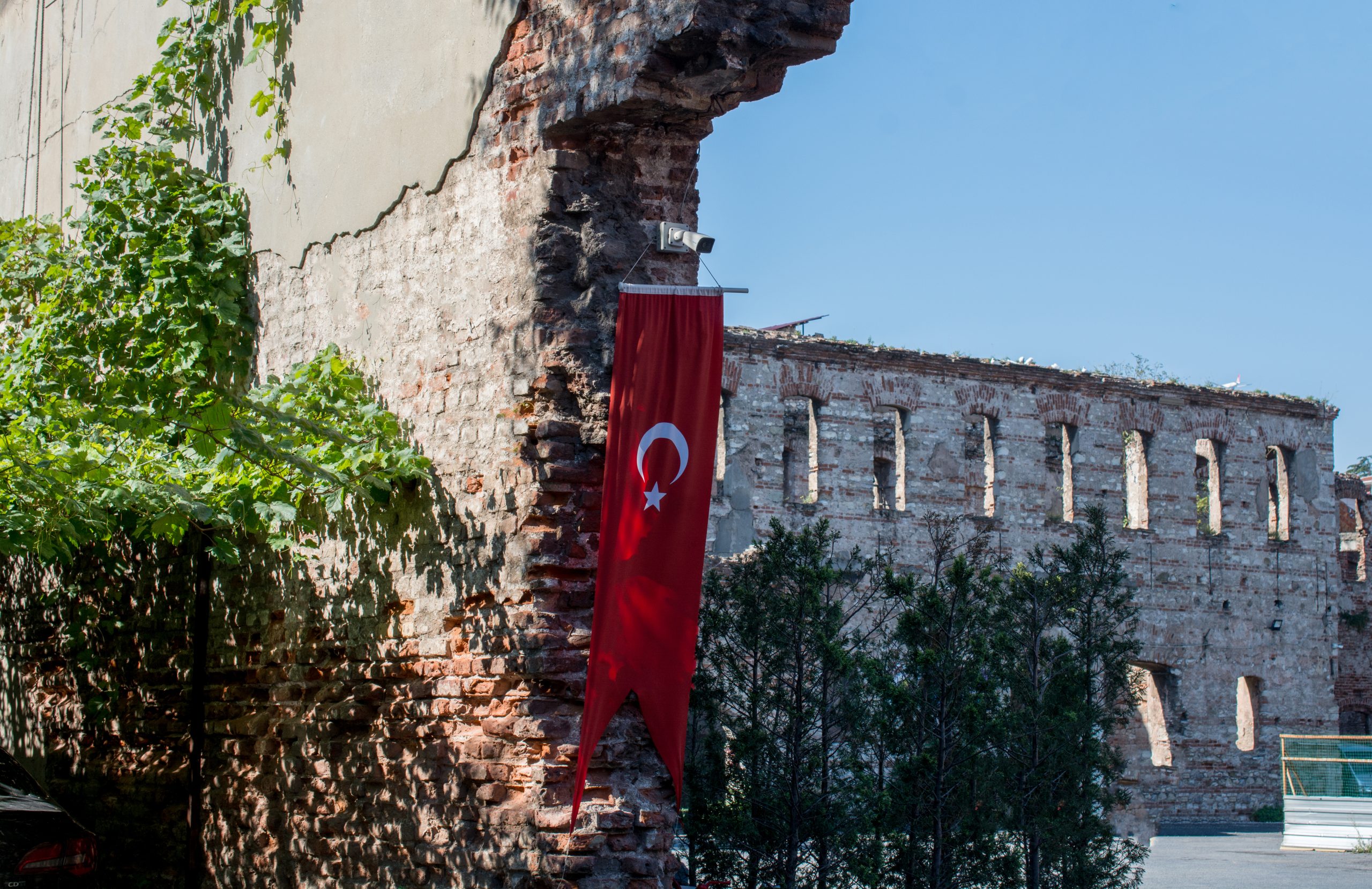
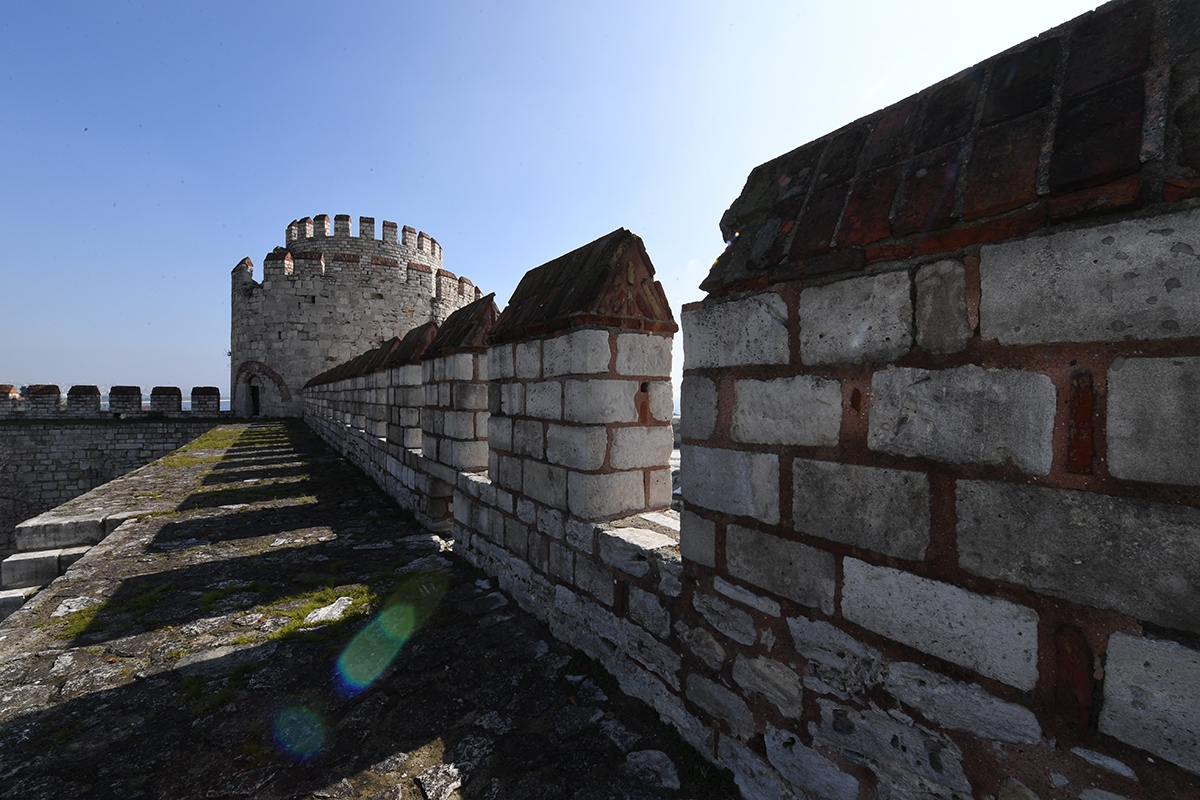
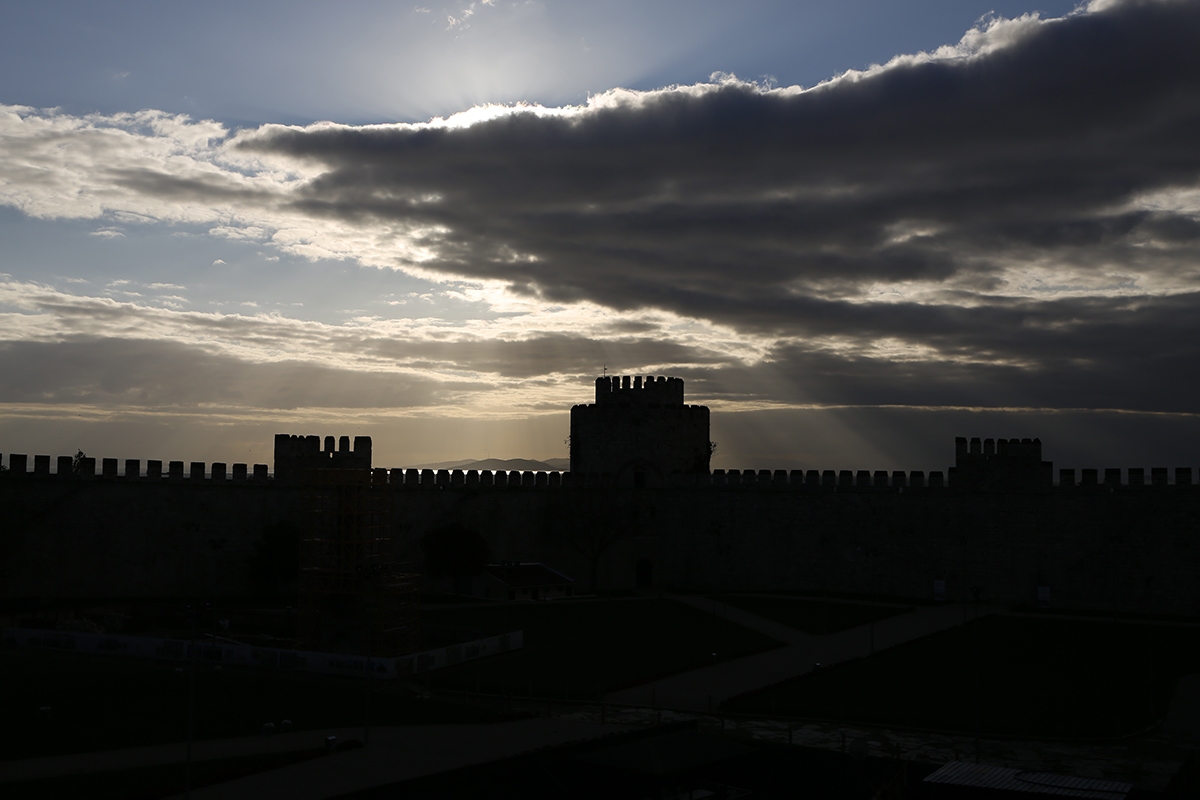
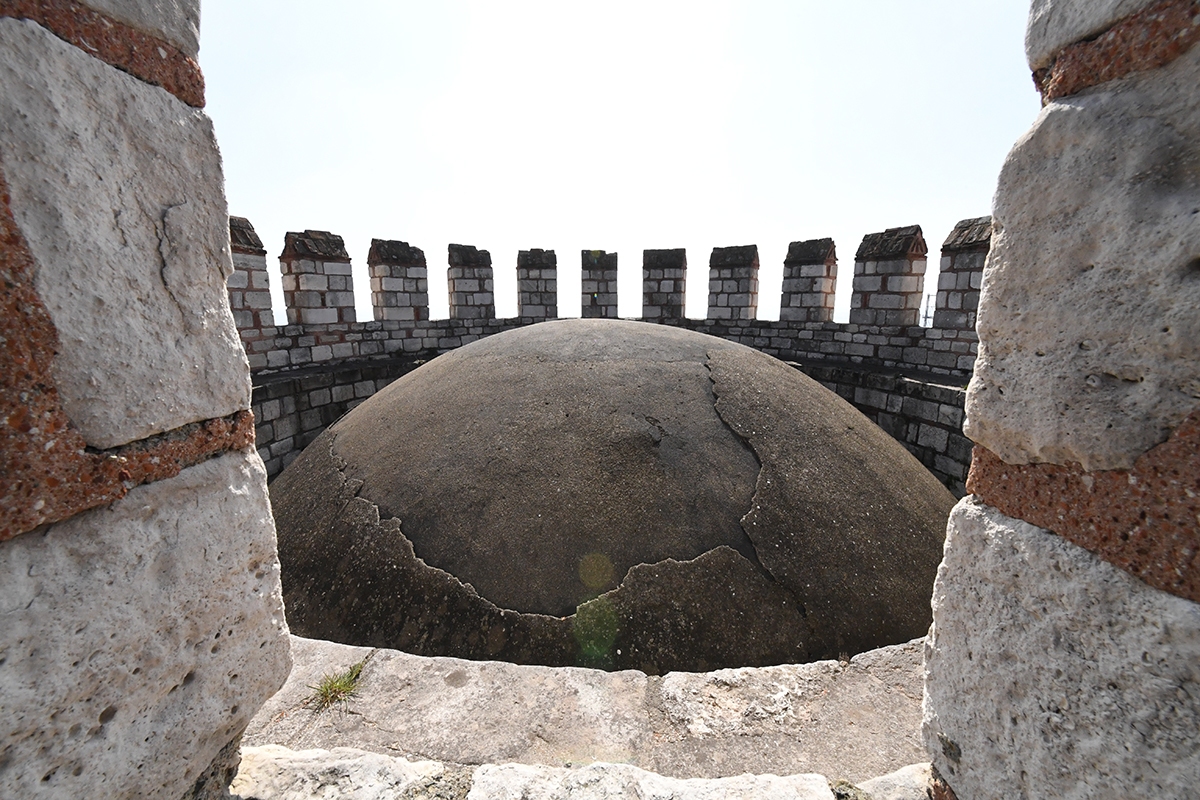
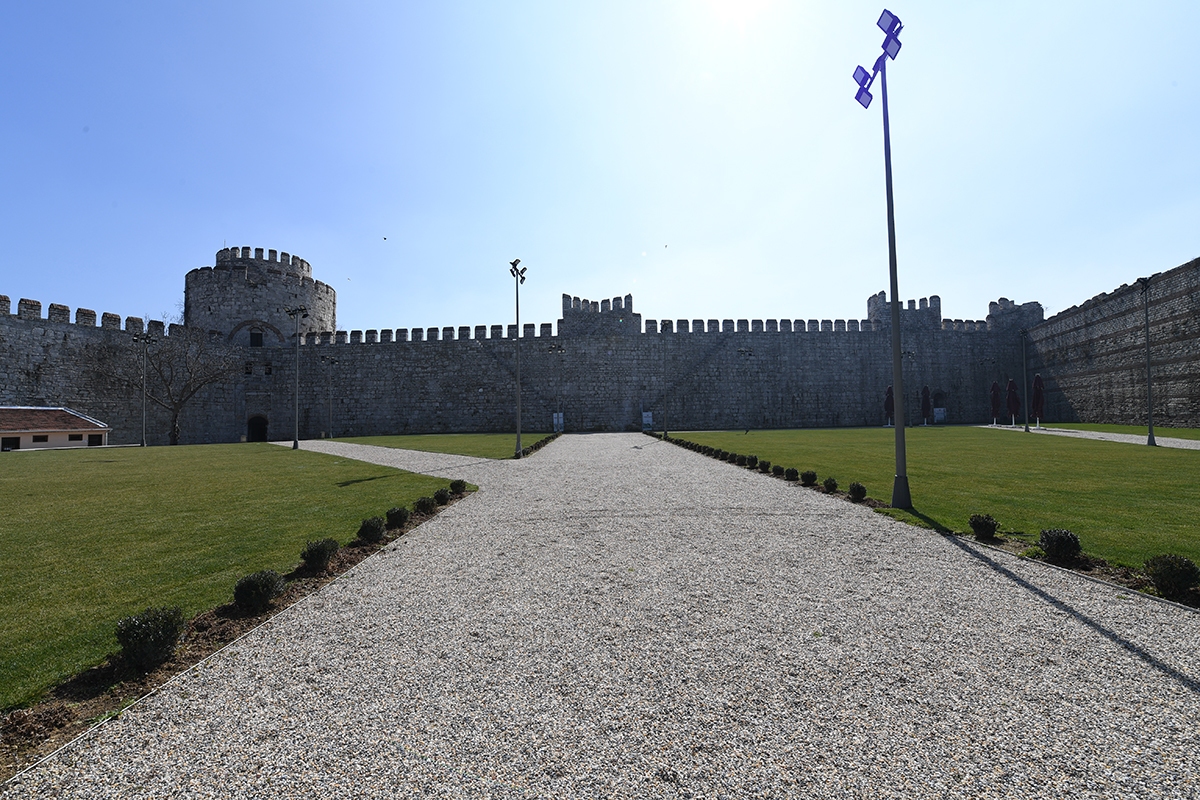
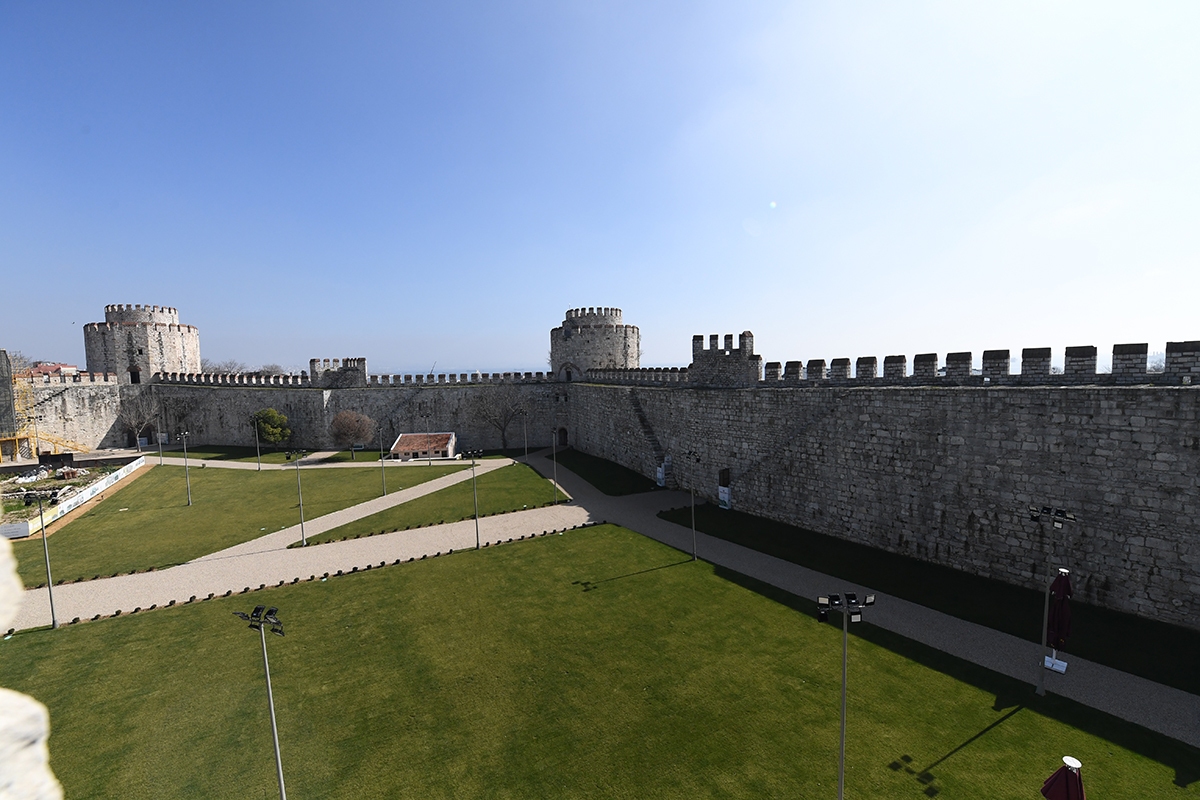
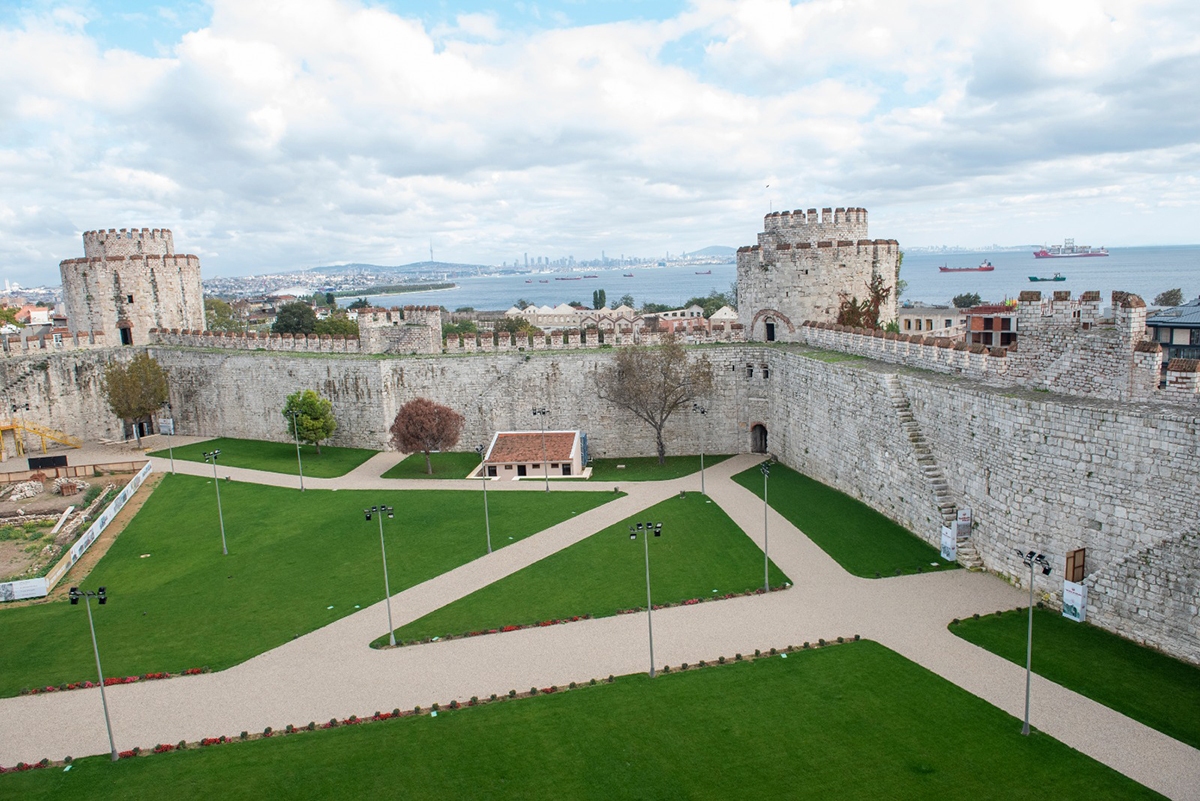
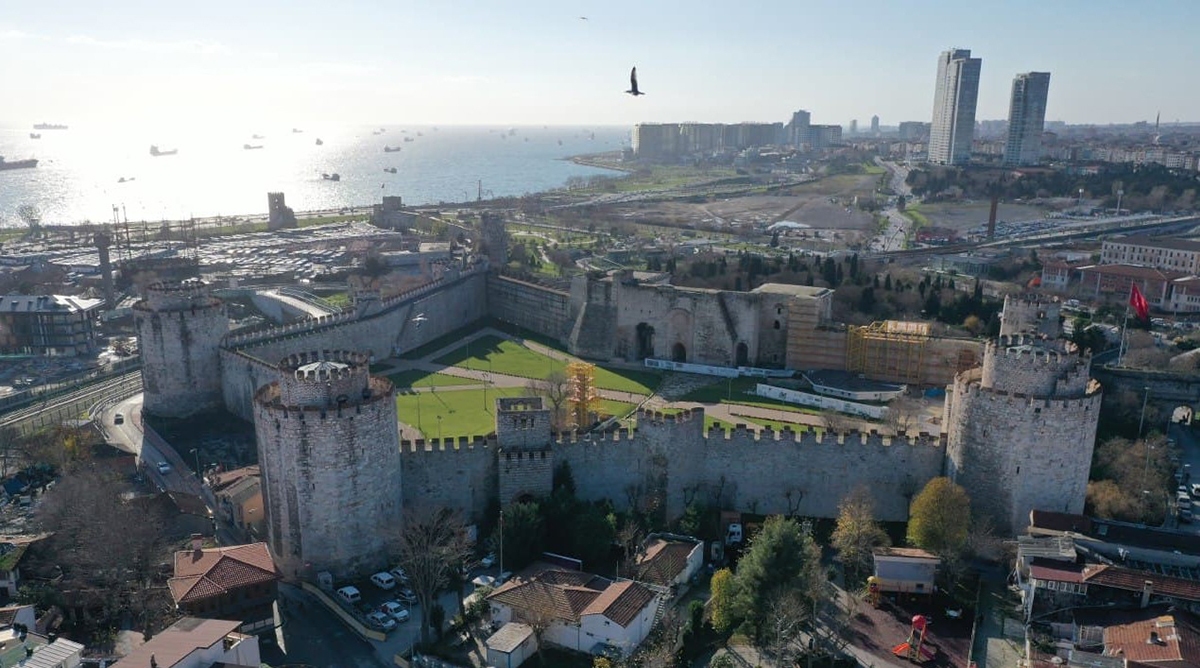
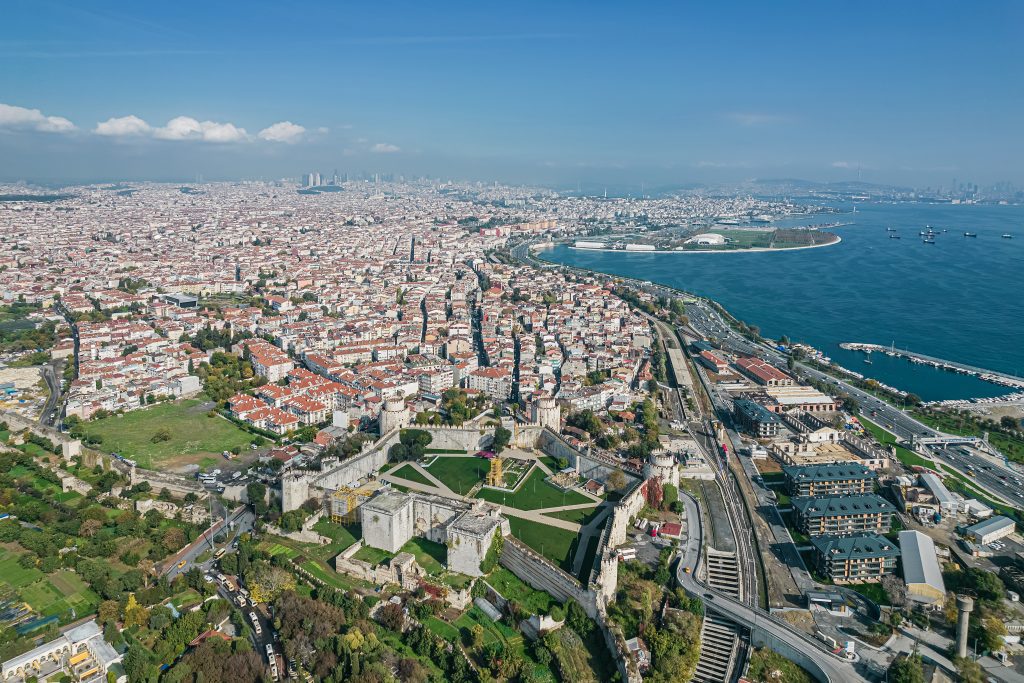
The Walls of Istanbul, also known as the Theodosian Walls, are one of the most impressive defensive systems ever built. Stretching across the historic peninsula, these walls protected Constantinople for over a thousand years.
They remain one of the greatest surviving examples of Byzantine military architecture and a powerful symbol of the city’s historical strength.
History of the Walls
The defensive system of Istanbul evolved over several periods.
- The earliest walls were built by Greek colonists from Megara in the 7th century BC
- Later, Roman Emperor Septimius Severus rebuilt the city walls in the 3rd century
- Constantine the Great expanded the city and added new fortifications in the 4th century
The most important phase came during the reign of Emperor Theodosius II (408–450), when the current walls were constructed and expanded.
These walls played a decisive role in protecting the city from numerous sieges until the Ottoman conquest in 1453.
Structure and Architecture
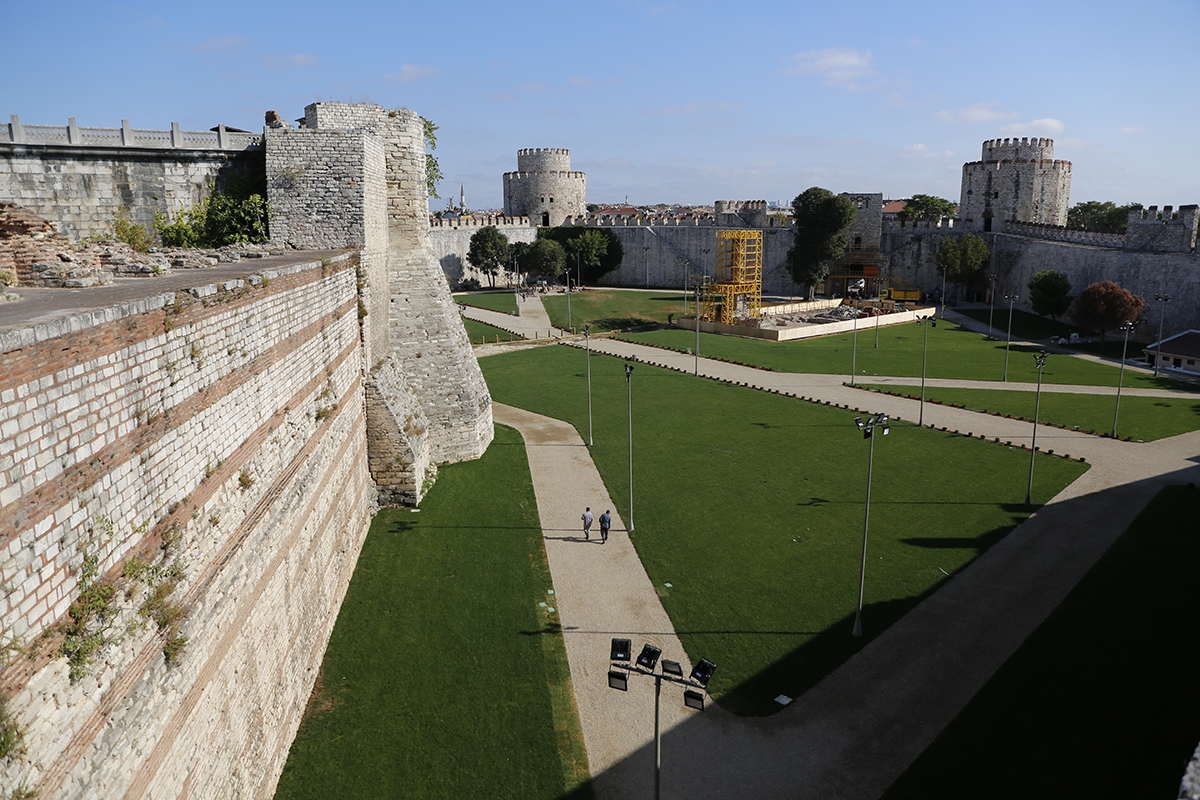
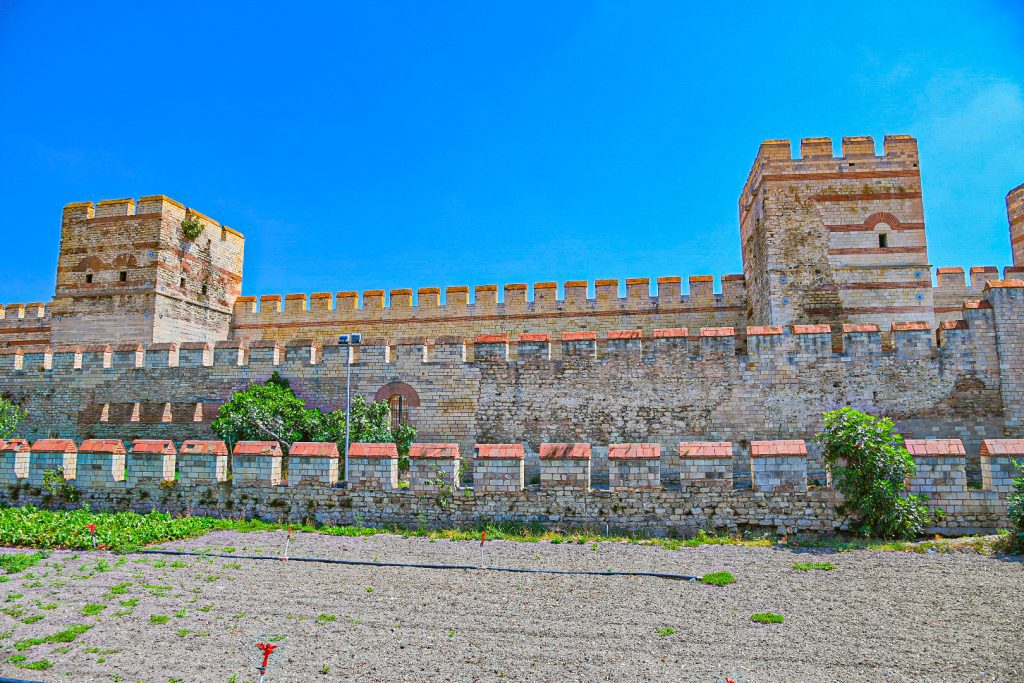
The Theodosian Walls are famous for their advanced and layered defensive design.
Key features include:
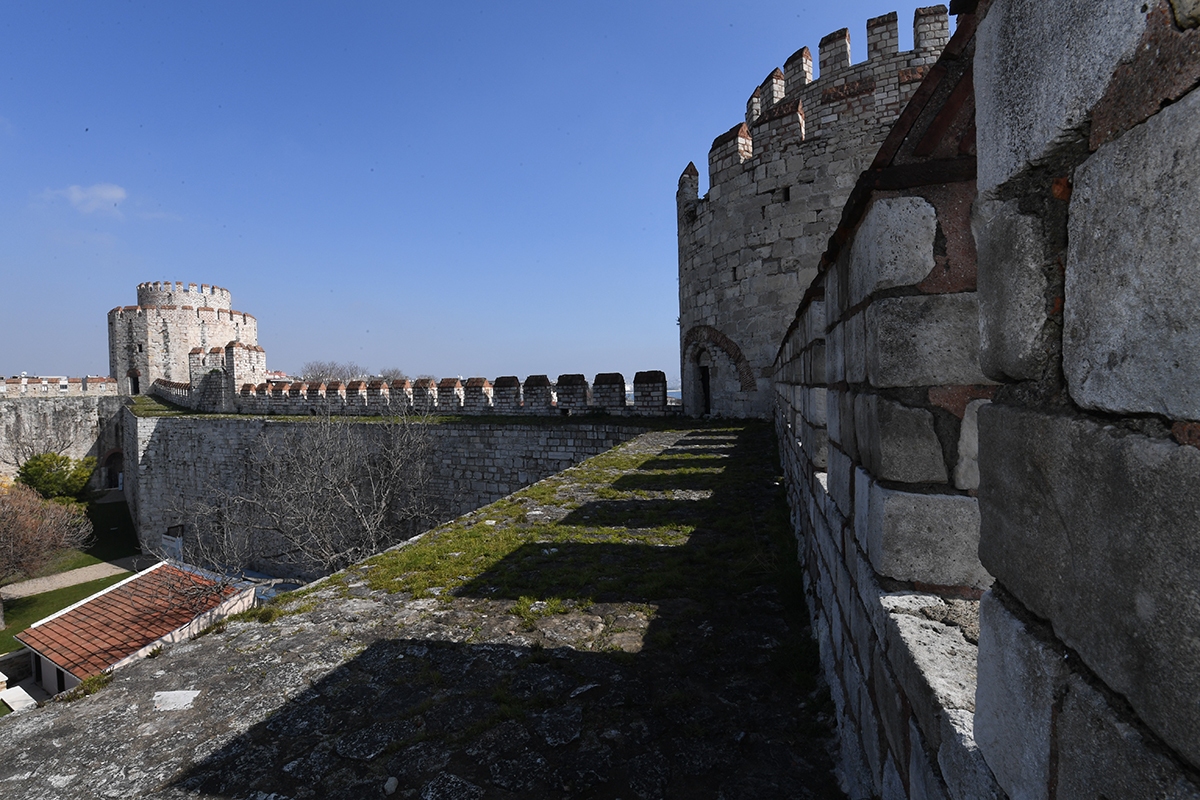
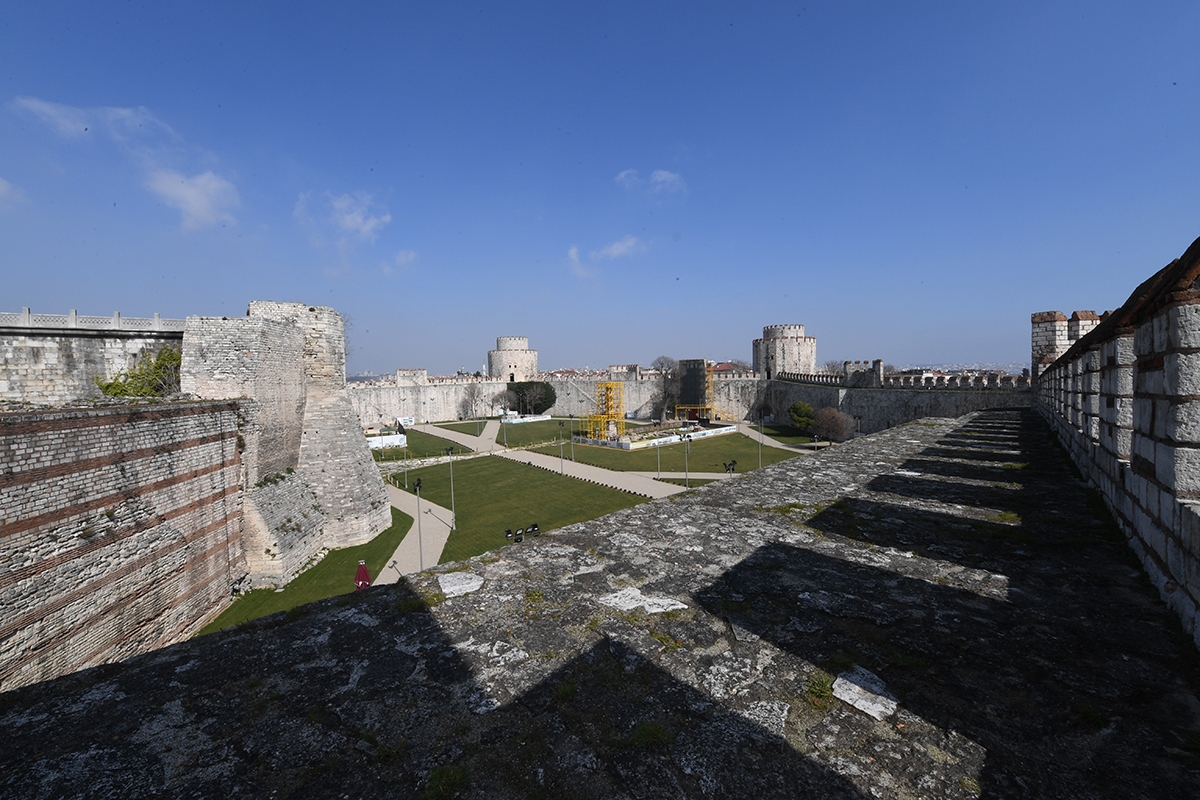
- double defensive walls
- a wide moat (ditch) in front
- multiple defensive levels
The system includes:
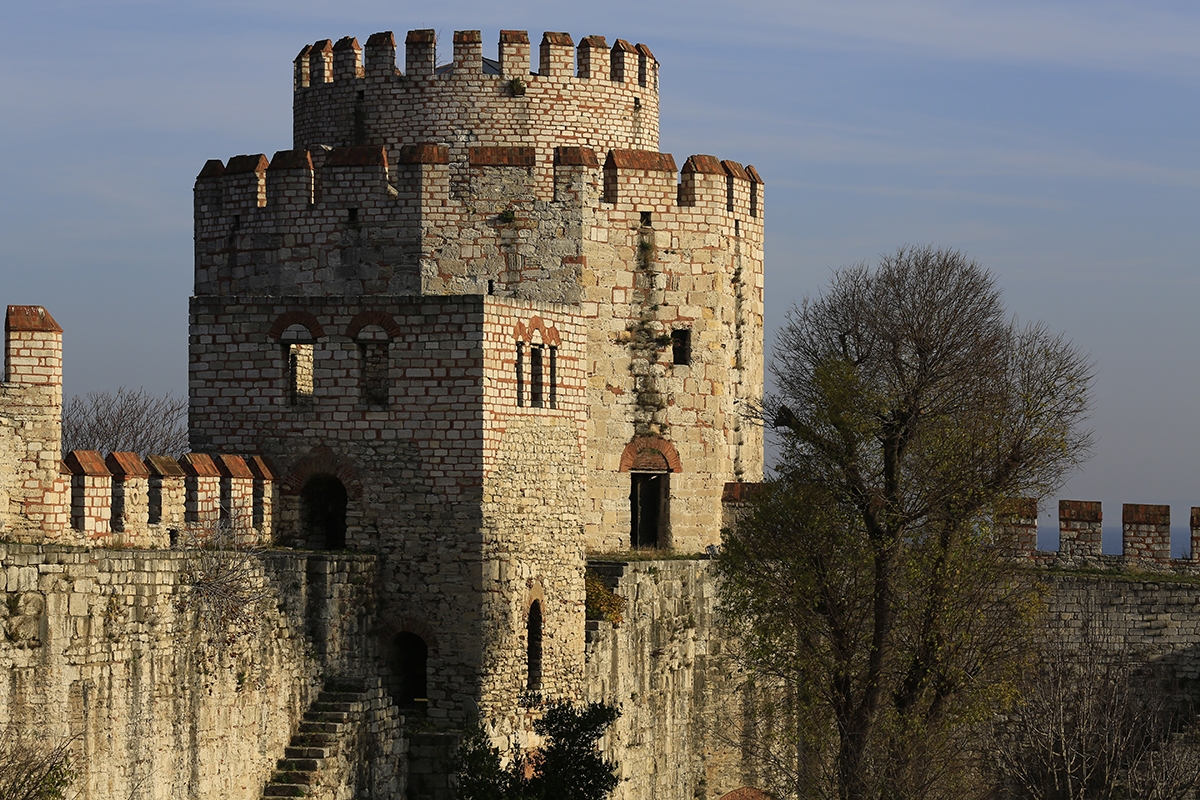
- 96 towers on the main walls
- 108 towers on the outer walls
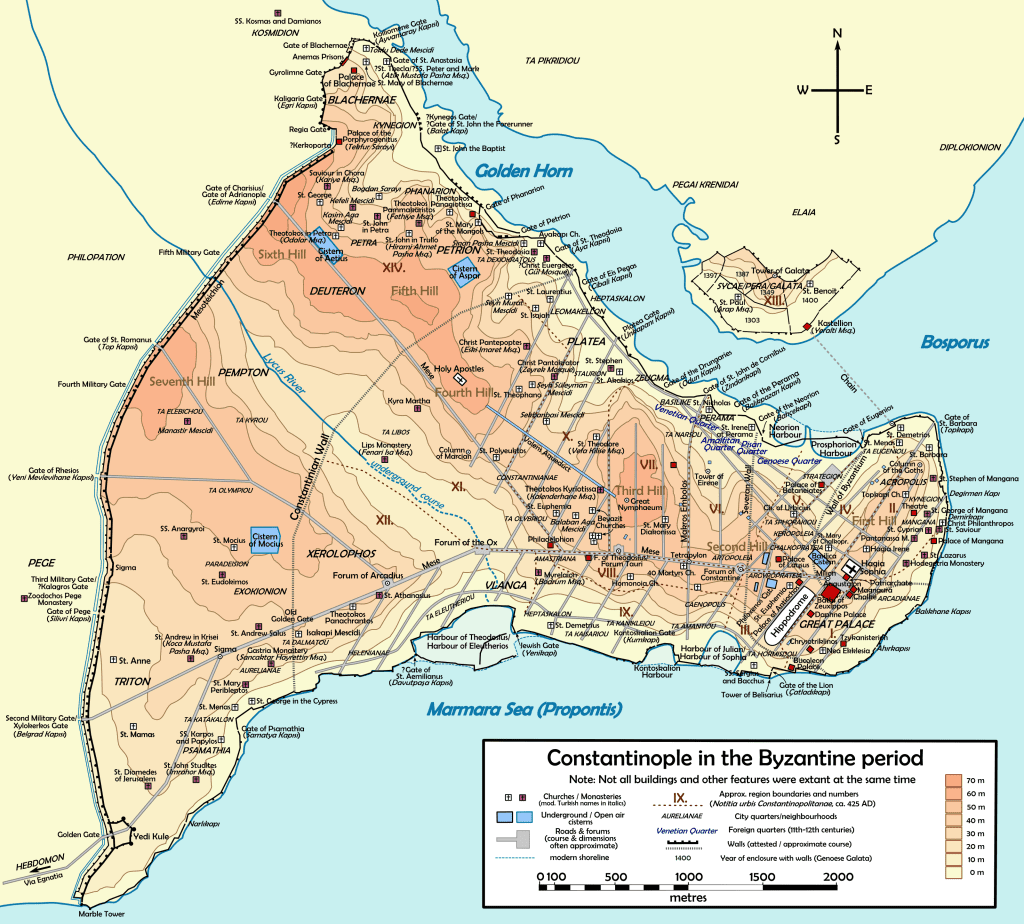
The land walls stretch approximately 6 kilometers between Yedikule (Marmara Sea) and Ayvansaray (Golden Horn).
Sea walls extend along:
- Marmara Sea: about 8.5 km
- Golden Horn: about 5 km
This multi-layered system made Constantinople one of the most secure cities in the medieval world.
Views and Experience
Today, the Walls of Istanbul offer a unique historical and visual experience.
Visitors can:
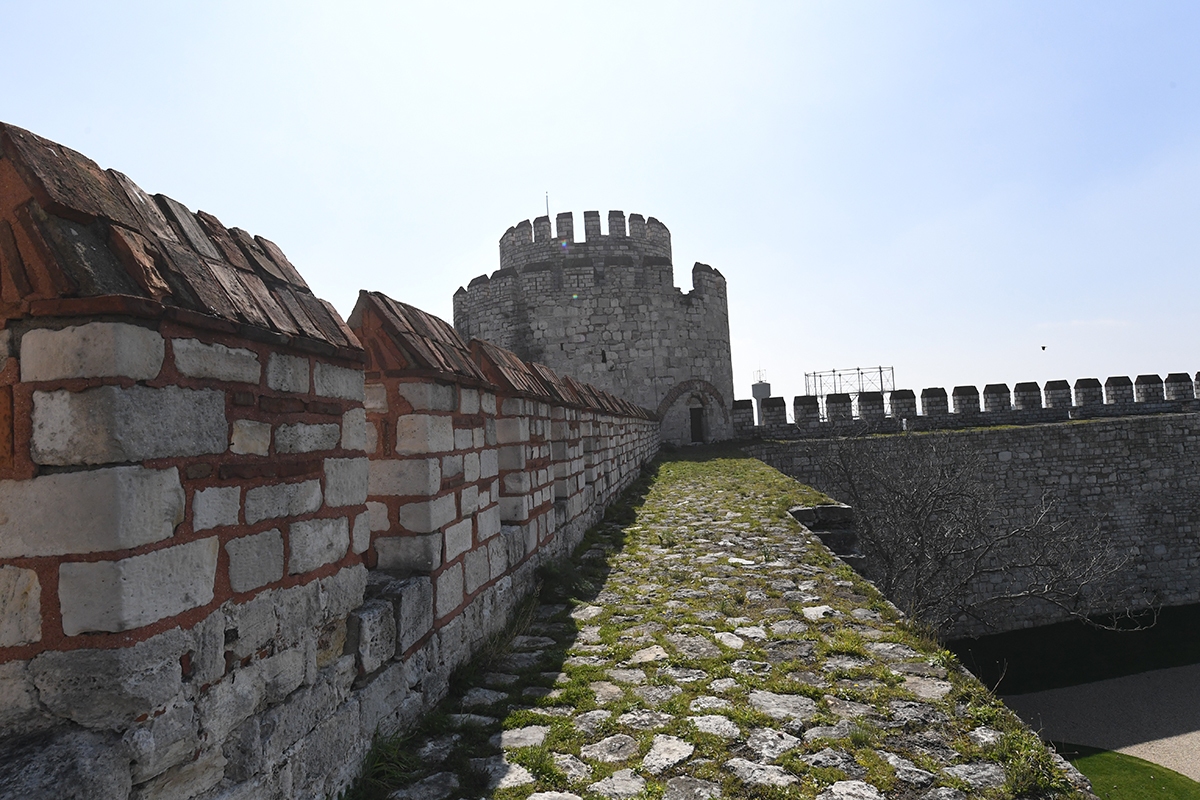
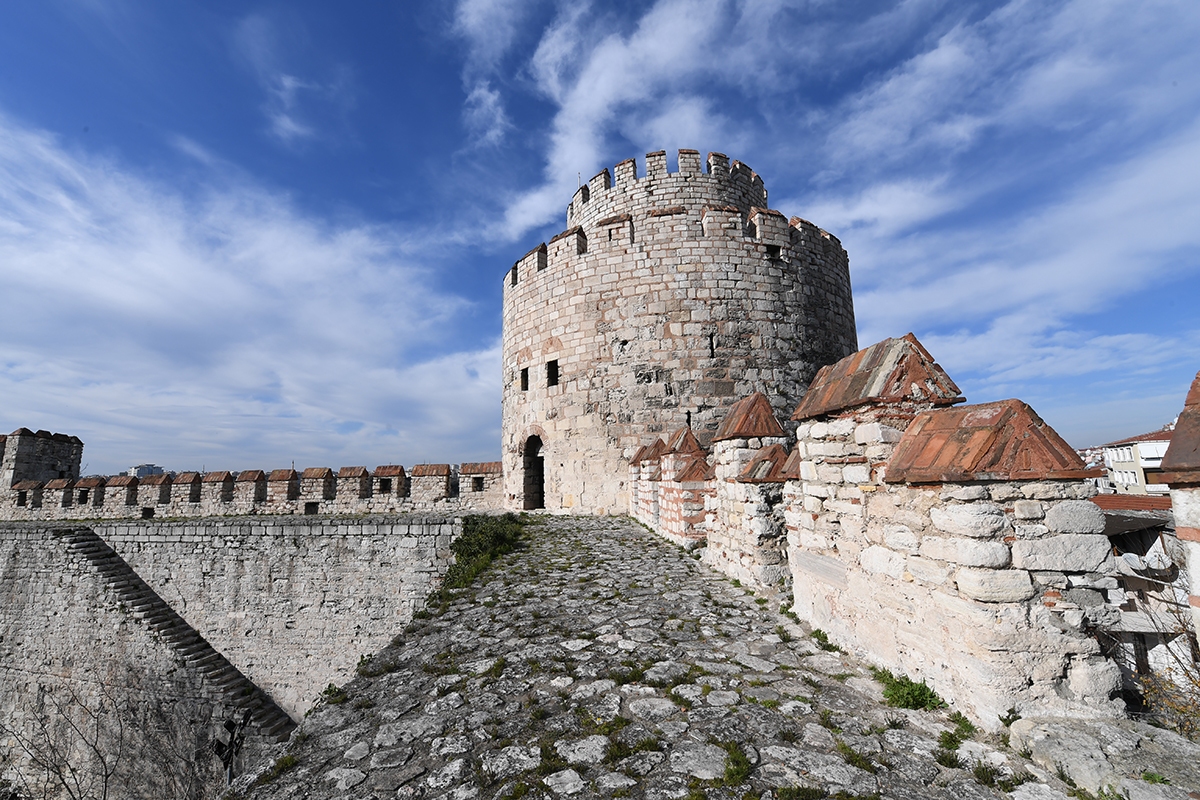
- walk along sections of the ancient walls
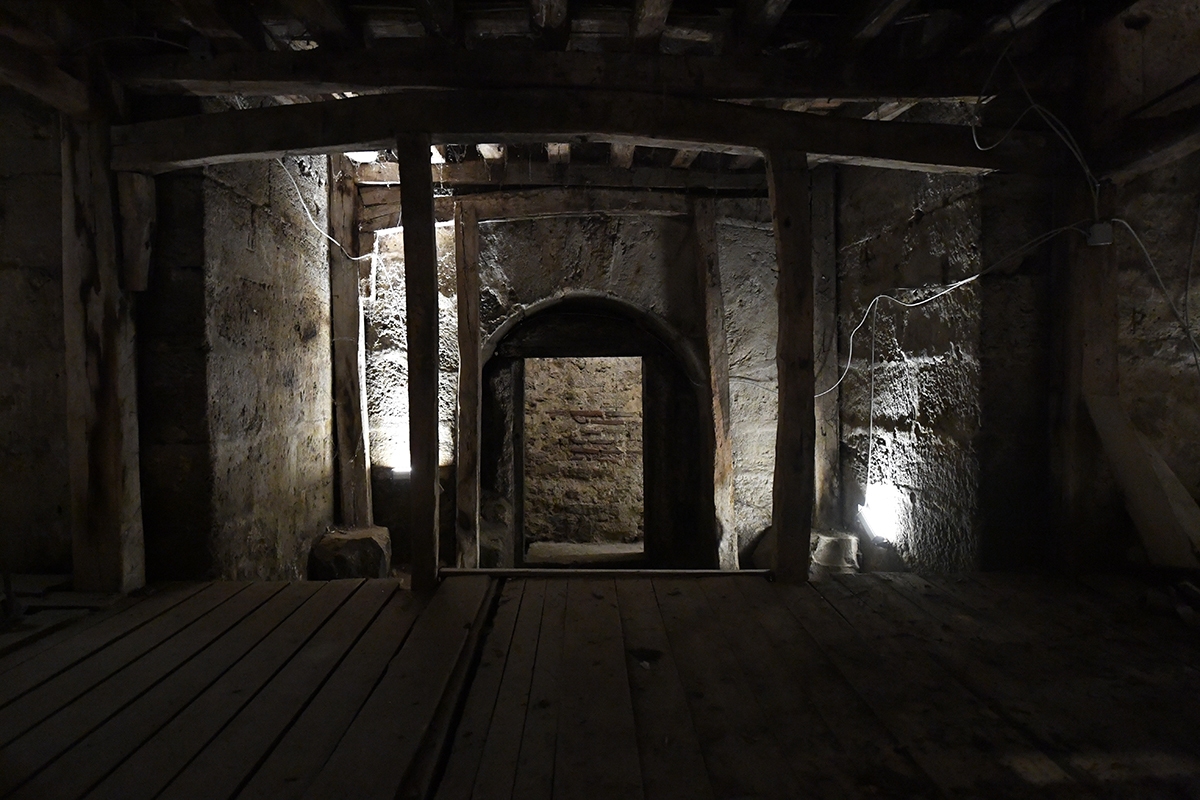
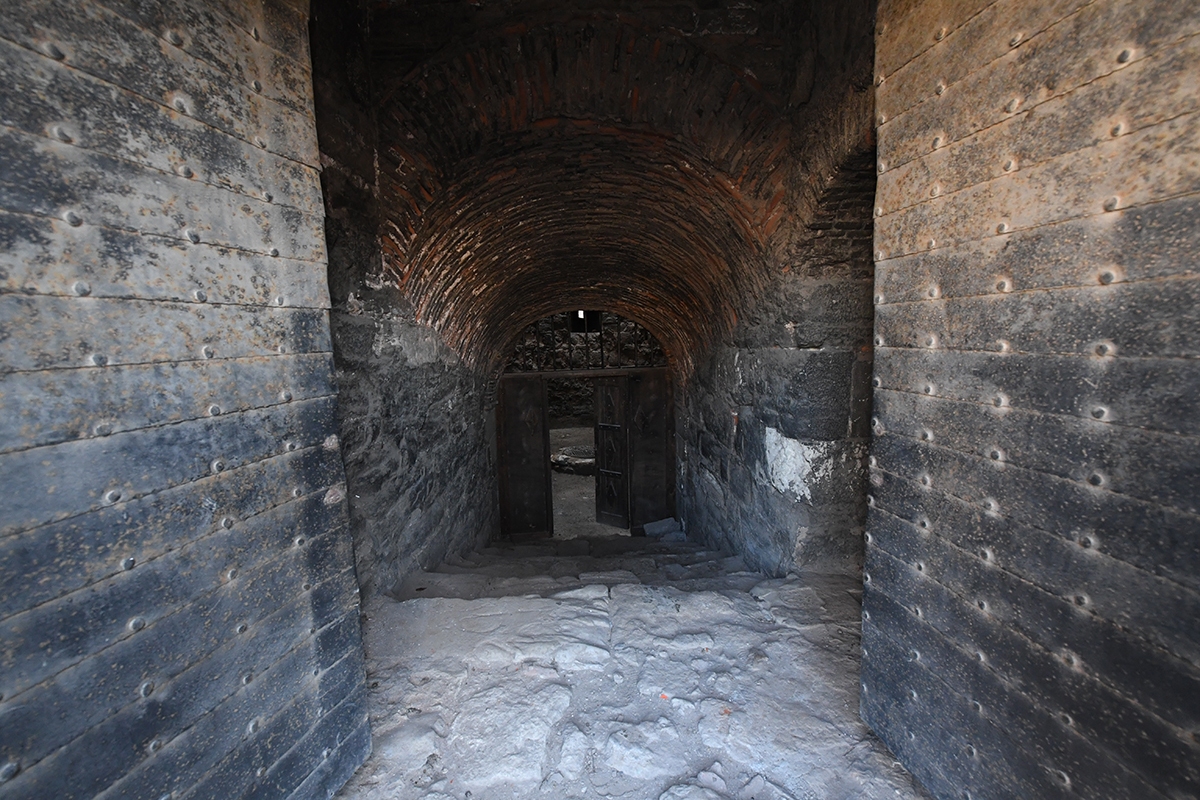
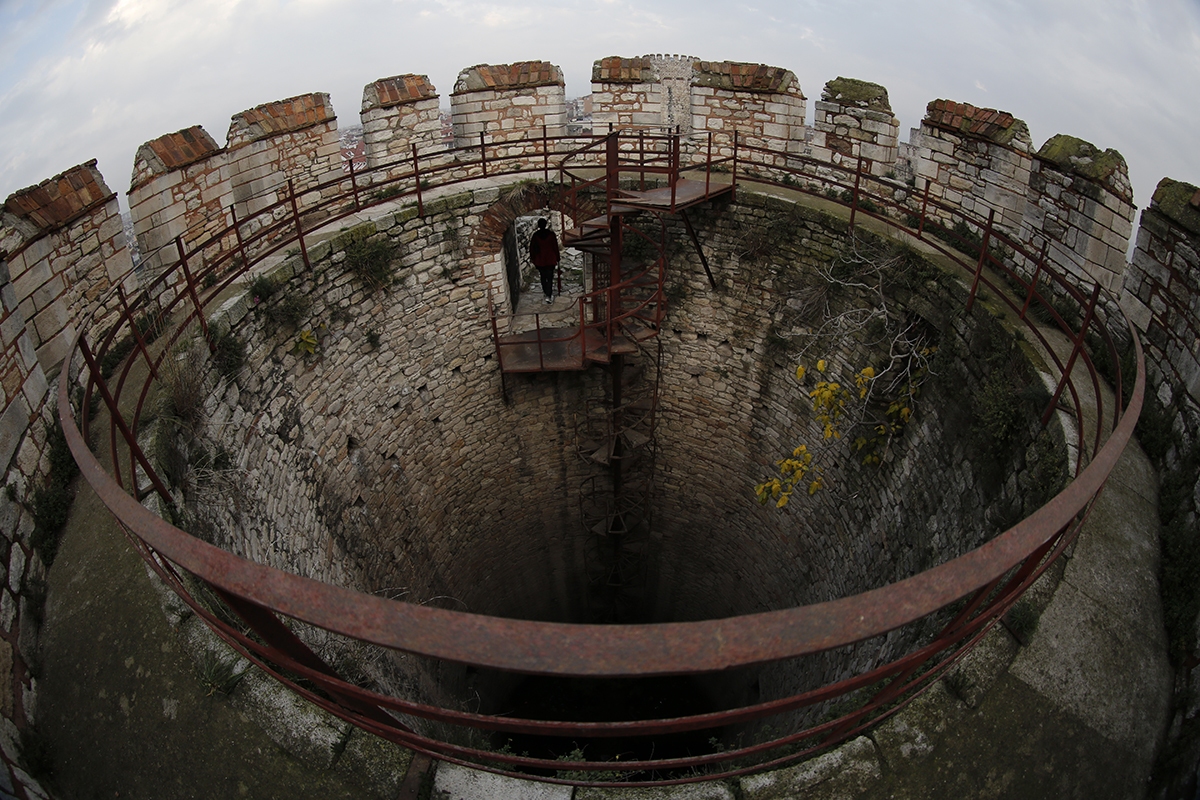
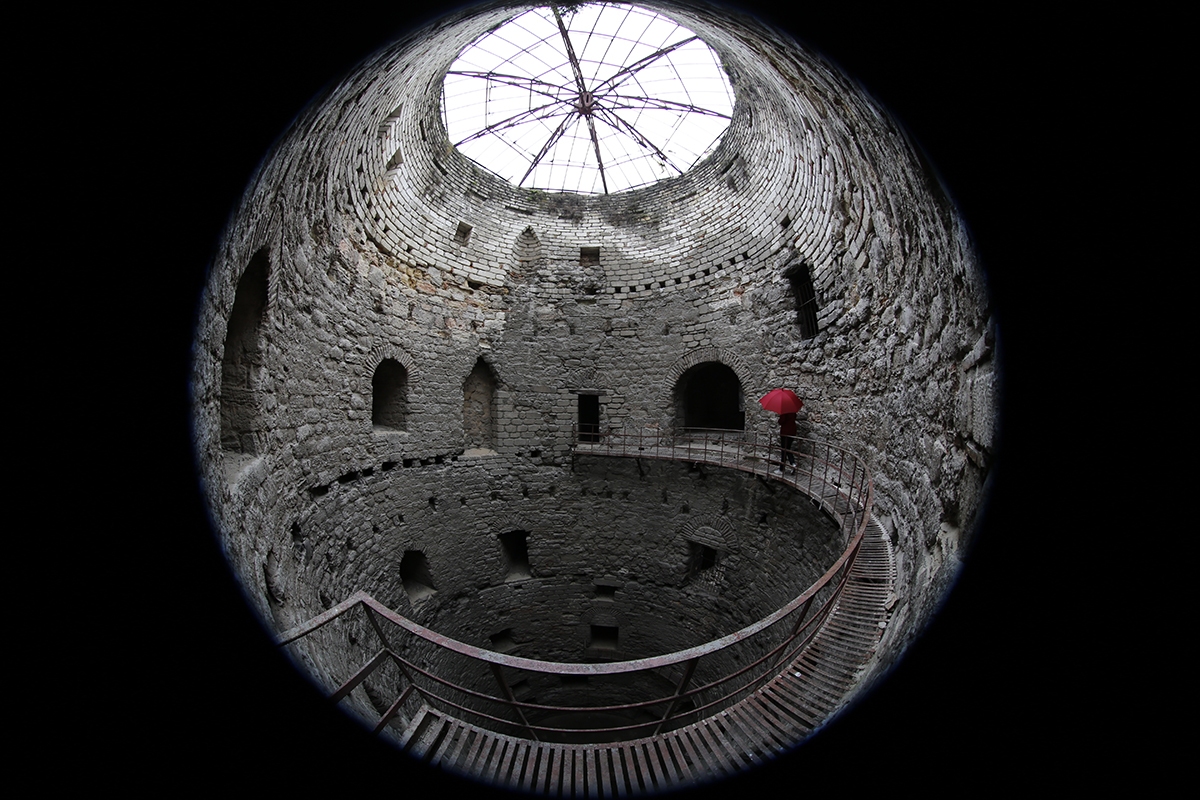
- explore historic gates and towers
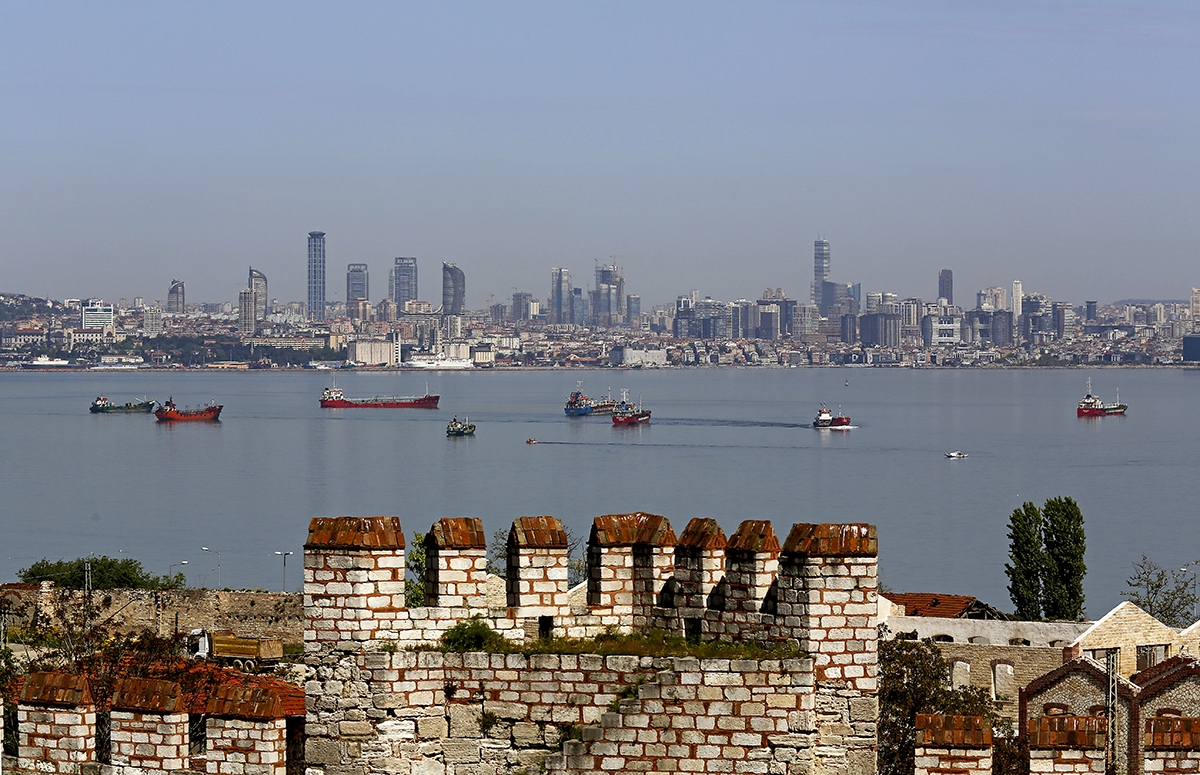
- enjoy views of both the old city and modern Istanbul
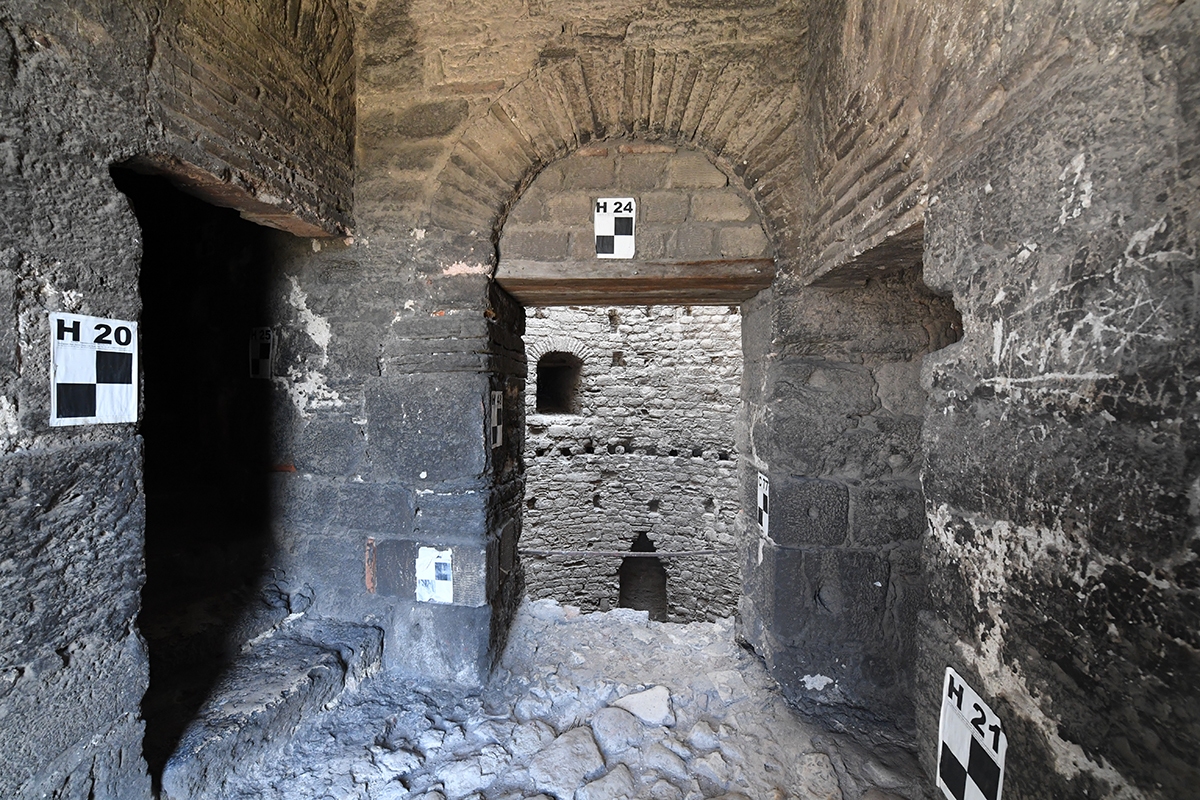
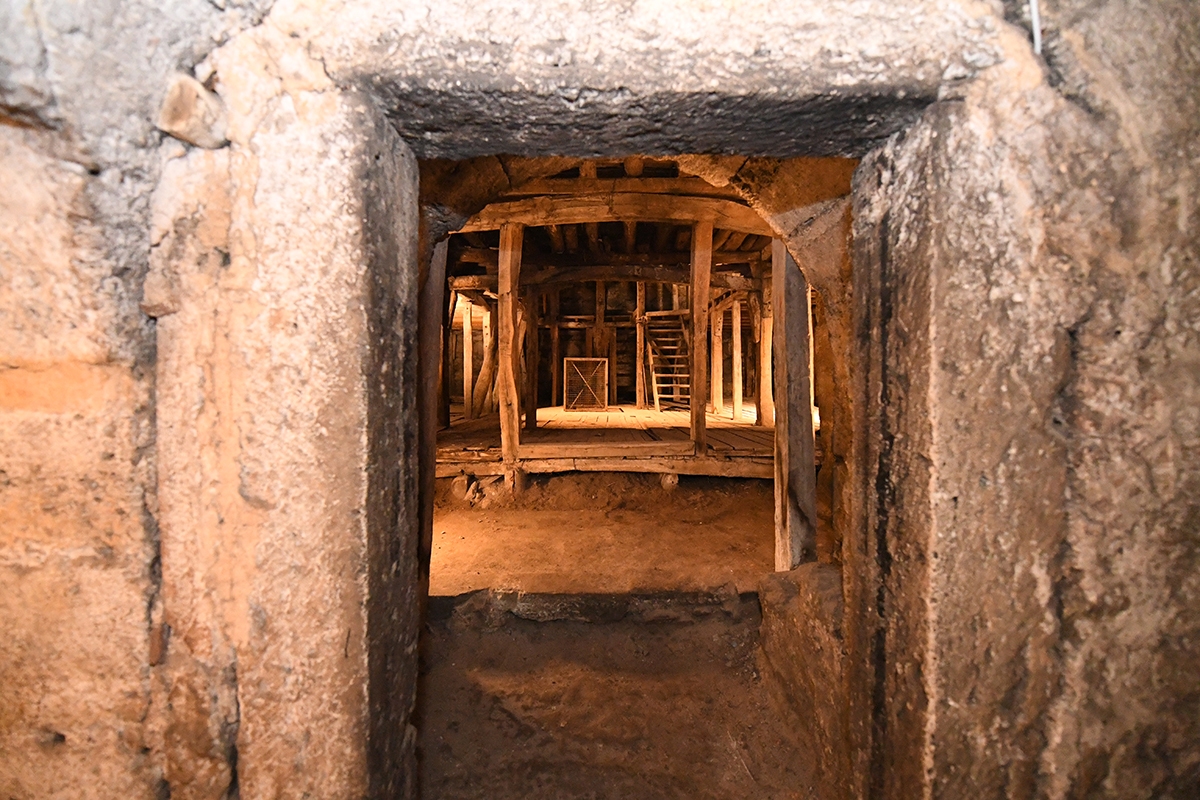
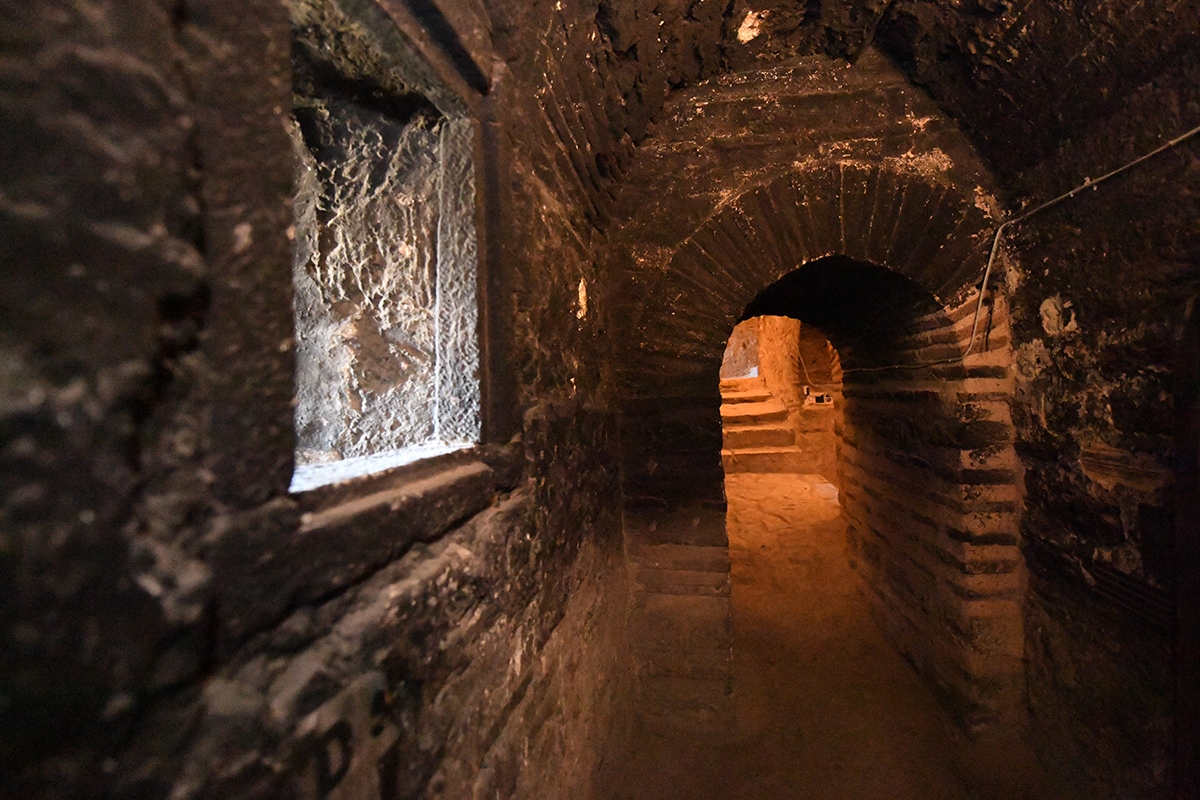
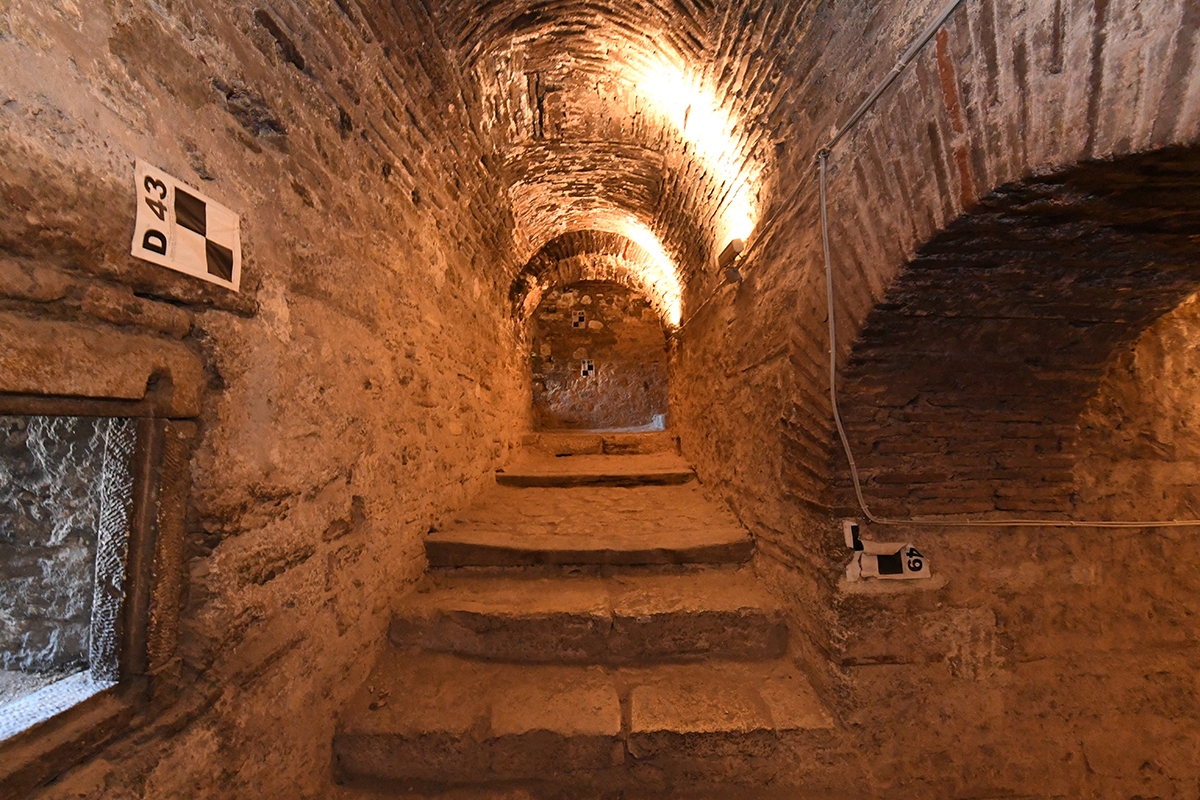
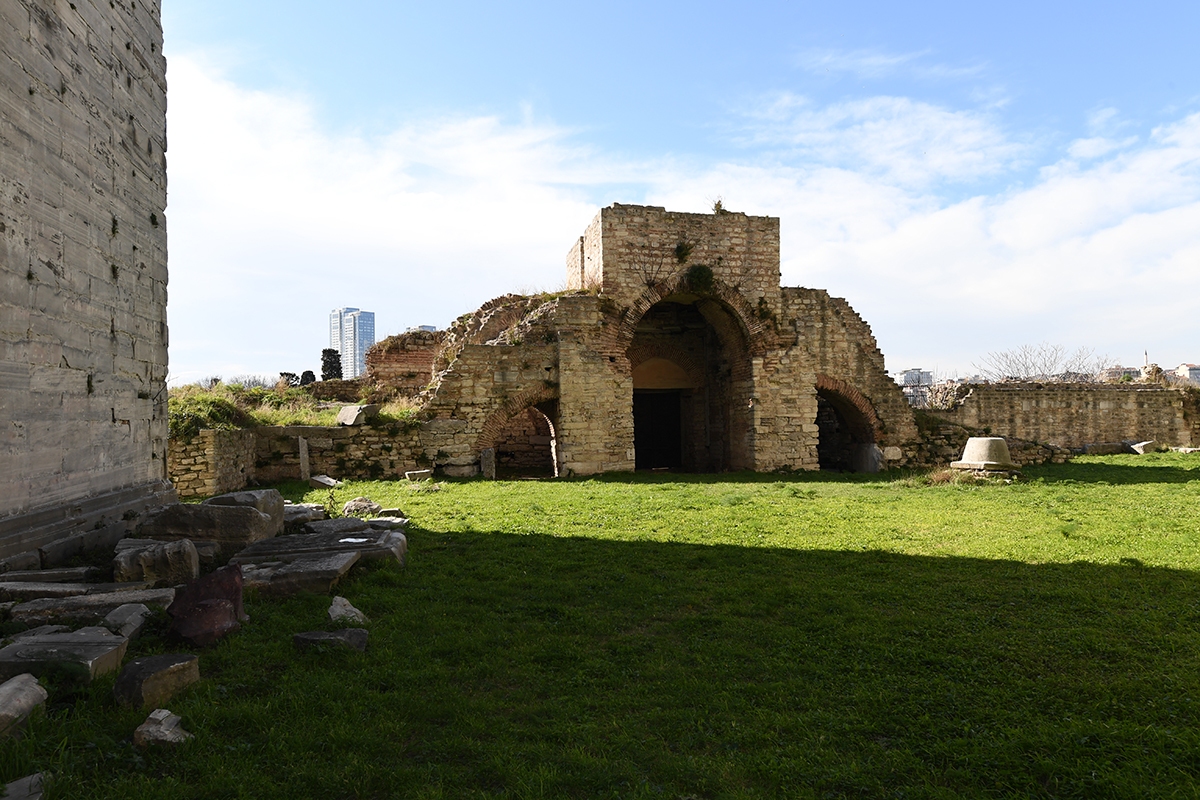
Some areas have been restored, while others preserve their original, weathered character, giving a strong sense of history.
Quick Facts
Location: Istanbul, Türkiye
Built: 5th century (Theodosius II)
Length: Approximately 22 km
Type: Byzantine defensive walls
Key Sections: Yedikule, Ayvansaray, Golden Horn
Best Time to Visit
Spring and autumn are ideal for exploring the walls due to mild weather.
Early morning or late afternoon is best for walking and photography.
How to Reach
The Walls of Istanbul extend across several districts of the city.
By Tram (T1 Line)
Stops such as Aksaray provide easy access to nearby sections.
By Metro
You can reach areas near the walls via metro connections.
By Bus
Many bus routes run along the historic peninsula.
Nearby Attractions
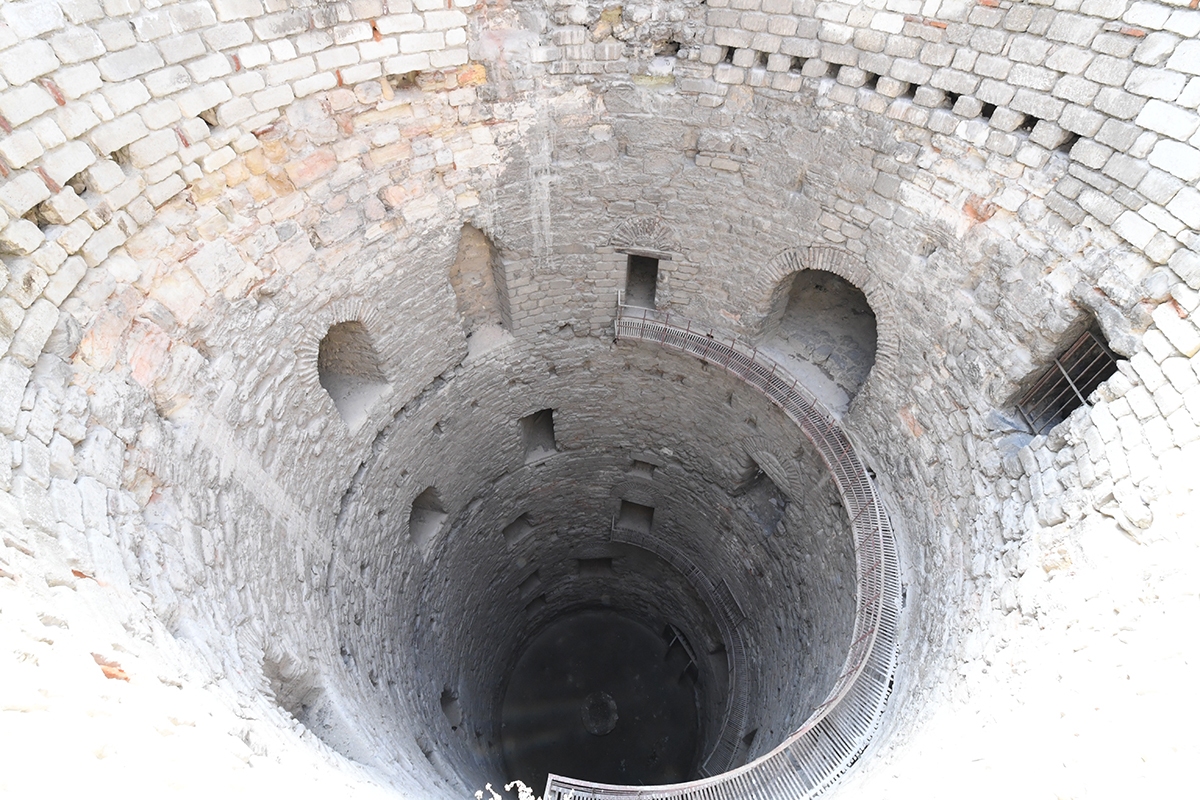
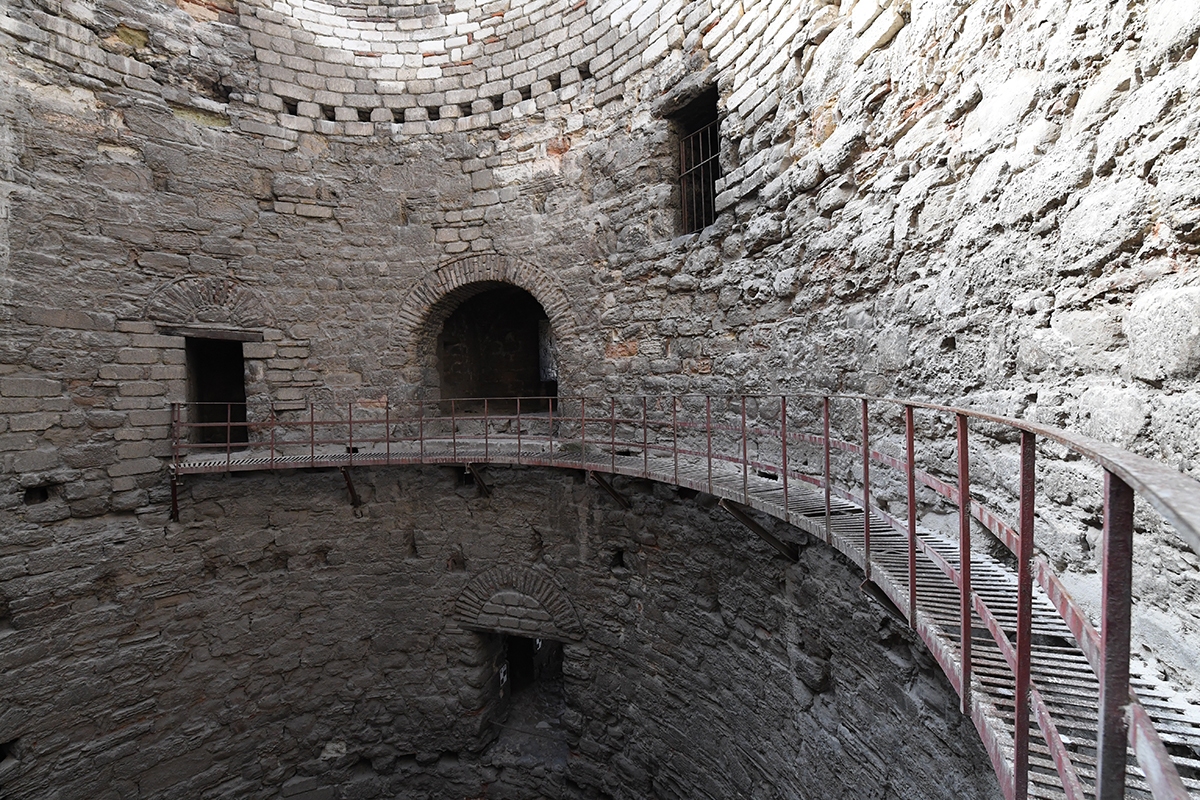
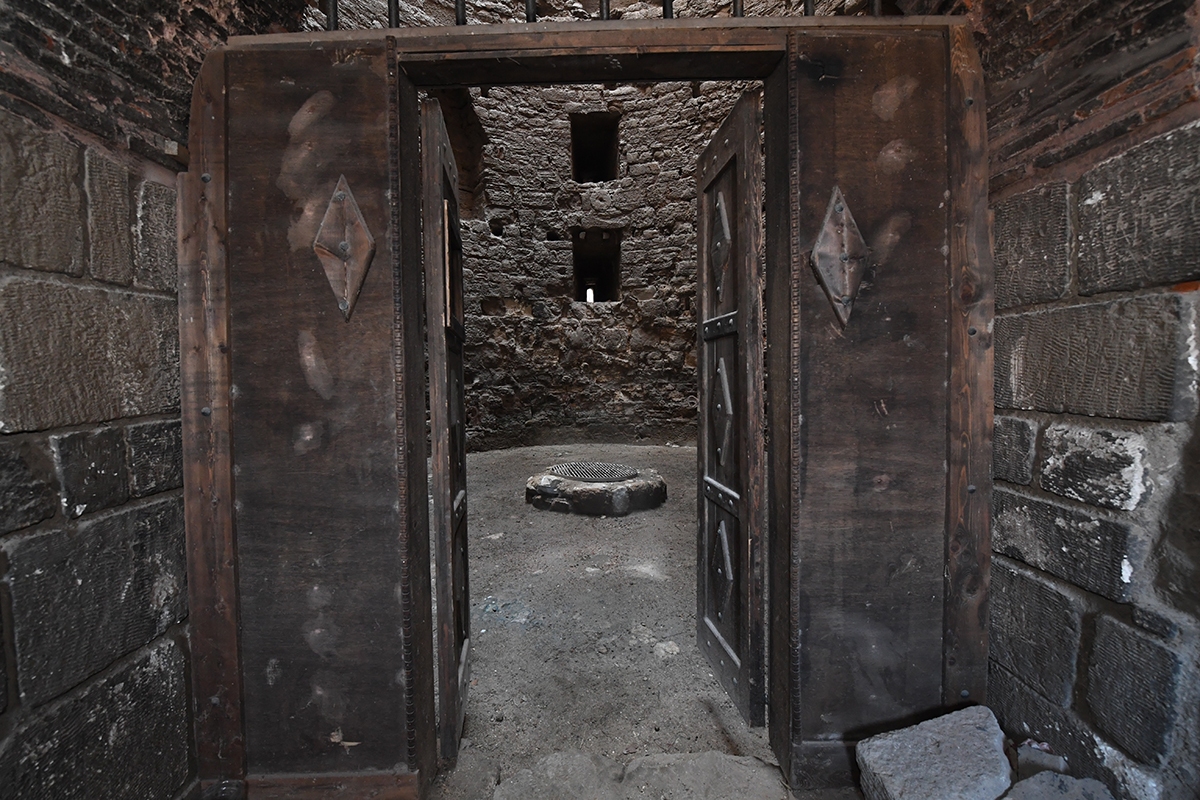
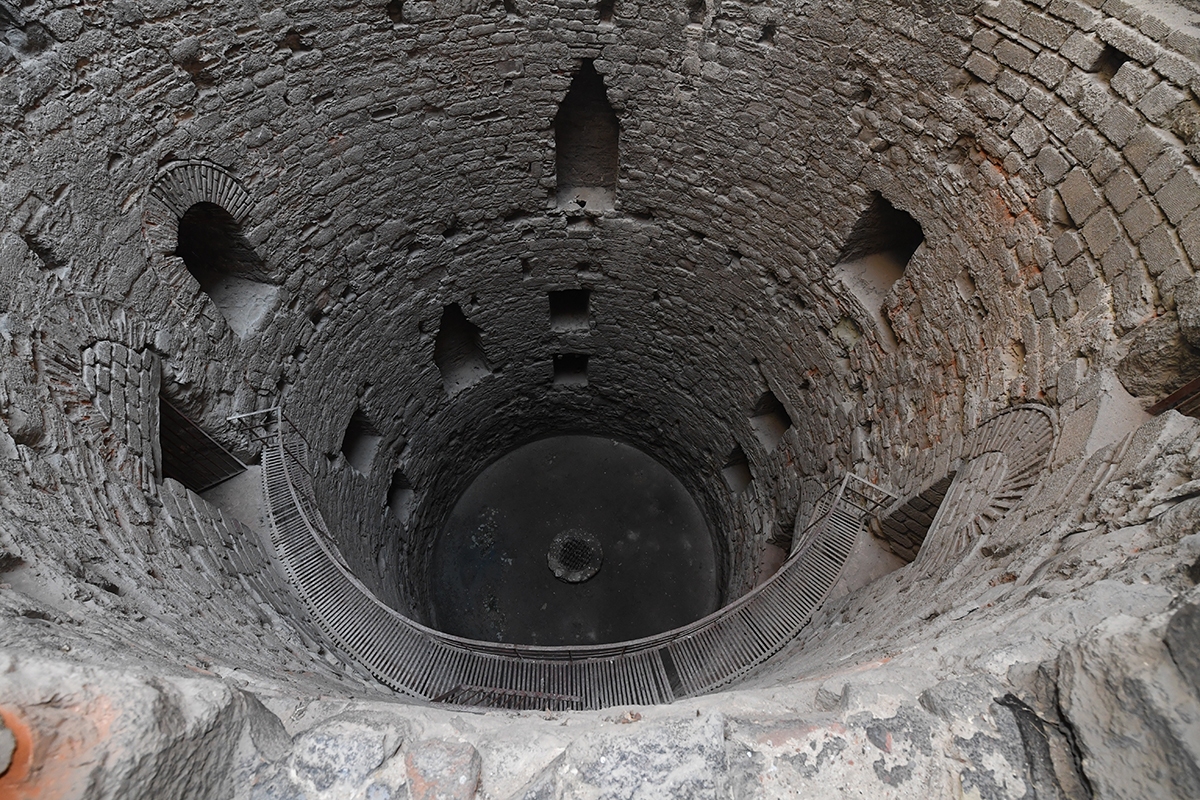
Yedikule Fortress
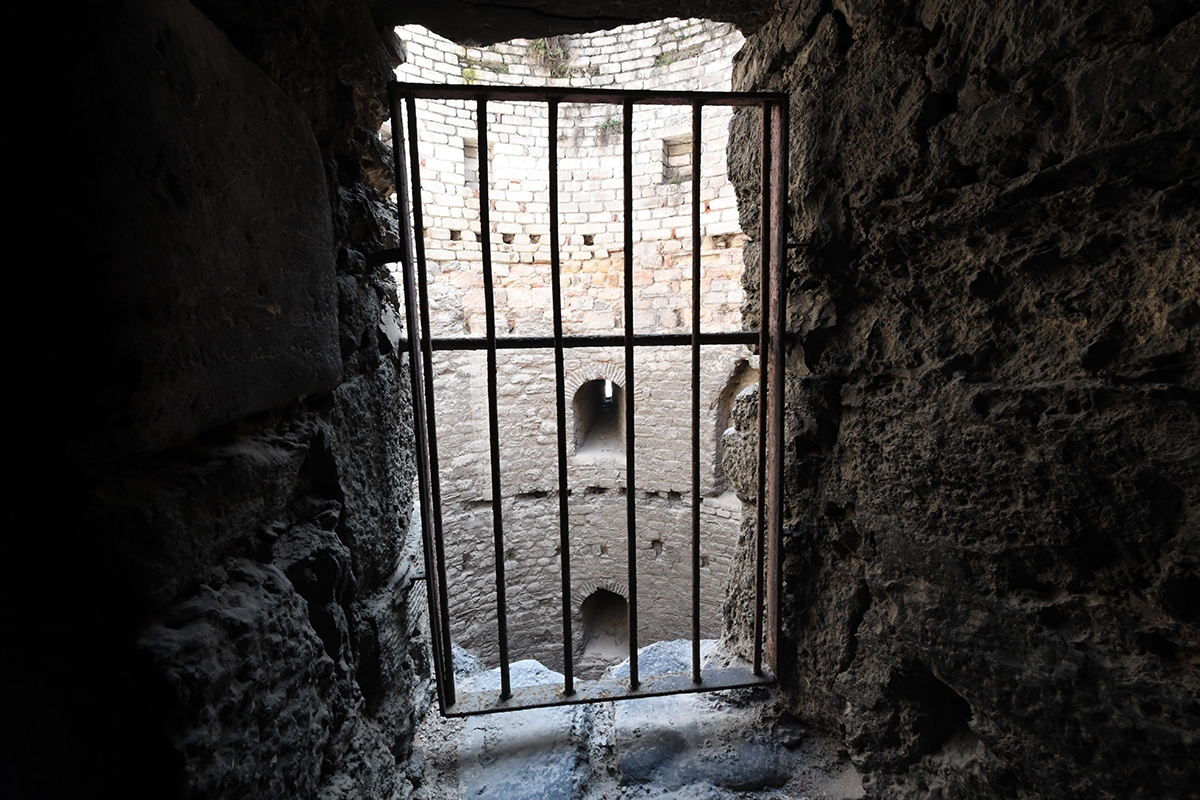
A historic fortress at the southern end of the land walls, used as both a defensive structure and later a treasury and prison.
Golden Horn
A natural harbor that played a crucial role in the defense of Constantinople.
Topkapi Palace
The main residence of Ottoman sultans located near the historic peninsula.
Hagia Sophia
One of the most important architectural landmarks in world history, located within the old city.
FAQ
When were the Walls of Istanbul built?
The current walls were built in the 5th century during the reign of Theodosius II.
How long are the walls?
Approximately 22 kilometers in total.
Why are the walls important?
They protected Constantinople for over a thousand years.
Can you visit the walls today?
Yes, many sections are accessible to visitors.
Things to Know Before Visiting
- One of the best-preserved Byzantine defensive systems
- Protected the city for over 1,000 years
- Includes land walls and sea walls
- Some sections are restored, others remain in original condition
Browse The Map
Reviews And Comments
Suggested Listings
Uskudar District Istanbul

Haydarpasa Train Station

Deniz Muzesi ( Naval Museum)

Not rated yet.
Why don't you register your impressions?