


Contact
- Aziziye Mah., Mevlana Cad. No:1, Karatay, 42030 Konya, Türkiye
- +90 (0332) 351 12 15
- mevlanamuzesi@ktb.gov.tr
Come, whoever you are – The journey of love begins here.
| MMonday | 08:00 AM - 17:00 |
| TTuesday | 08:00 AM - 17:00 |
| WWednesday | 08:00 AM - 17:00 |
| TThursday | 08:00 AM - 17:00 |
| FFriday | 08:00 AM - 17:00 |
| SSaturday | 08:00 AM - 17:00 |
| SSunday | 08:00 AM - 17:00 |
Mevlana Museum, Konya – A Sacred Journey into Sufi Mysticism
Nestled in the heart of Konya, one of the oldest continuously inhabited cities in the world, the Mevlana Museum is not just a historical landmark—it’s a spiritual sanctuary that draws millions of visitors each year. Formerly the lodge of the whirling dervishes, this museum houses the tomb of the great 13th-century Persian poet, Islamic scholar, and Sufi mystic Jalal ad-Din Rumi, known in Türkiye as Mevlana.
Visiting the Mevlana Museum is an immersive cultural experience that offers insight into Sufism, a mystical branch of Islam centered on love, tolerance, and divine union. It is one of Türkiye’s most important pilgrimage destinations and a major cultural attraction, combining Islamic architecture, spiritual ambiance, and centuries of devotion.
A Place of Peace and Poetry
The museum complex was originally the dervish lodge (tekke) of the Mevlevi Order, which was founded based on Rumi’s teachings after his death in 1273. His son, Sultan Veled, initiated the construction of the mausoleum over Rumi’s tomb, which later became the core of the museum. The iconic green-tiled dome (Kubbe-i Hadra) that crowns Mevlana’s tomb has since become a symbol of Konya.
Upon entering through the rose garden and courtyard, visitors encounter dervish quarters, ceremonial halls, and a semahane—where the whirling ceremonies once took place. Inside the main mausoleum, the sarcophagus of Mevlana, draped in an ornate green cloth embroidered with verses from the Quran, rests under a majestic dome. Nearby are the tombs of his family members and loyal dervishes.
The museum also showcases a rich collection of manuscripts, calligraphy, musical instruments, ceremonial garments, and centuries-old artifacts related to the Mevlevi tradition. The soothing scent of rosewater, soft Sufi music playing in the background, and the reverent atmosphere make the experience deeply moving, even for those unfamiliar with Islamic traditions.
Cultural Legacy and Sufi Teachings
Rumi’s message transcends religion and culture. His poetry, written in Persian, has been translated into countless languages and continues to inspire millions around the globe. The essence of his philosophy—“Come, whoever you are”—is reflected throughout the museum, promoting inclusivity, spiritual connection, and love.
In 1926, the lodge was converted into a museum as part of Atatürk’s secular reforms. Yet, the spiritual relevance of the site remains palpable. Each year in December, the Seb-i Arus (Night of Union) ceremony is held to commemorate Rumi’s death, drawing pilgrims and tourists from around the world to witness whirling dervish performances and Sufi rituals.
How to Get There
The Mevlana Museum is centrally located in Konya, easily accessible by public transportation, car, or on foot from most parts of the city. Konya has its own airport (Konya Airport – KYA) with regular flights from major cities like Istanbul and Ankara. High-speed trains also connect Konya with Ankara, Eskişehir, and Istanbul, making it a convenient day trip or weekend getaway.
From the city center or Konya’s train station, local buses and trams (especially the Alaaddin–Selçuk University tram line) can bring you close to the museum. Walking from Alaaddin Hill to the museum takes about 10 minutes.
Best Time to Visit
The museum is open year-round, but the best time to visit is during spring (April–June) and fall (September–October), when the weather in Konya is pleasant and the crowds are manageable. If you wish to witness the spiritual grandeur of the Seb-i Arus festivities, plan your trip for mid-December—but book accommodations well in advance.
Nearby Attractions
Konya is rich in spiritual and historical sites. After visiting the Mevlana Museum, explore Alaaddin Hill, the Karatay Medrese, İnce Minareli Medrese, and the Aziziye Mosque. The Tropical Butterfly Garden and Konya Science Center offer unique experiences for families. For a deeper understanding of Mevlevi culture, the Sema performances at the Cultural Center every Saturday evening are not to be missed.
Browse The Map
Reviews And Comments
Suggested Listings
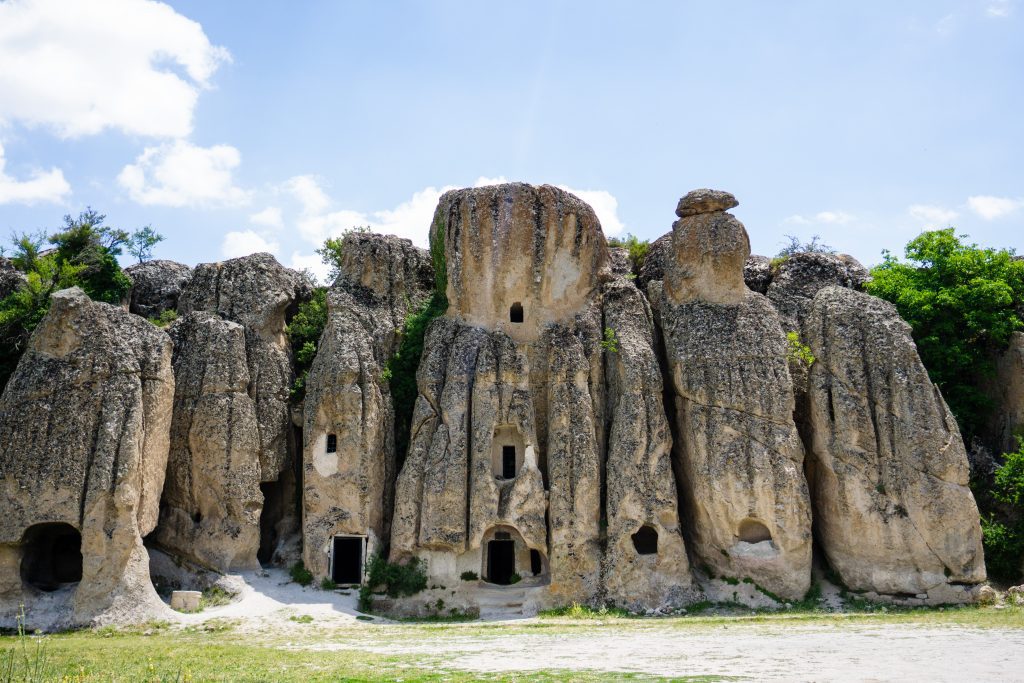
Kilistra (Lystra) Ancient City | Konya
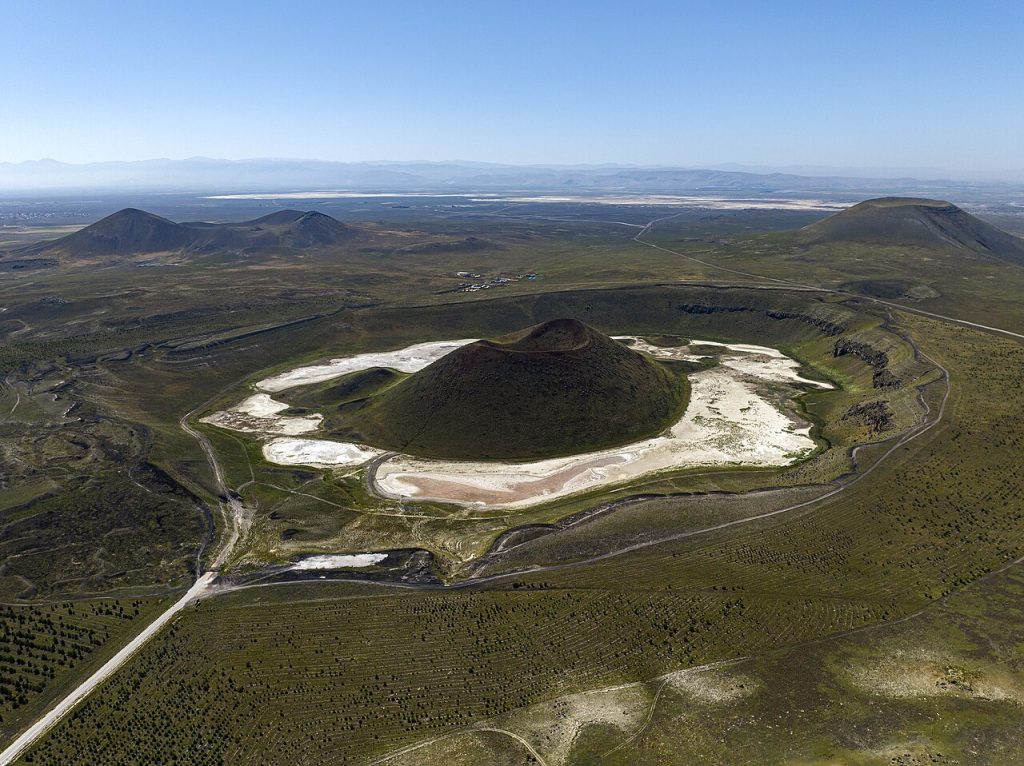
Meke Lake Konya, Türkiye
Çatalhöyük Archaeological Site, Konya

Excellent