


Contact
- Karahan Tepe – Aslantaş Ancient City, Şanlıurfa, Türkiye
- info@allabouturkiye.com
“Whispering Stories of the Stone Age”
| MMonday | 09:00 AM - 18:00 |
| TTuesday | 09:00 AM - 18:00 |
| WWednesday | 09:00 AM - 18:00 |
| TThursday | 09:00 AM - 18:00 |
| FFriday | 09:00 AM - 18:00 |
| SSaturday | 09:00 AM - 18:00 |
| SSunday | 09:00 AM - 18:00 |
KarahanTepe Ancient City: A Glimpse Into Humanity’s Earliest Temples
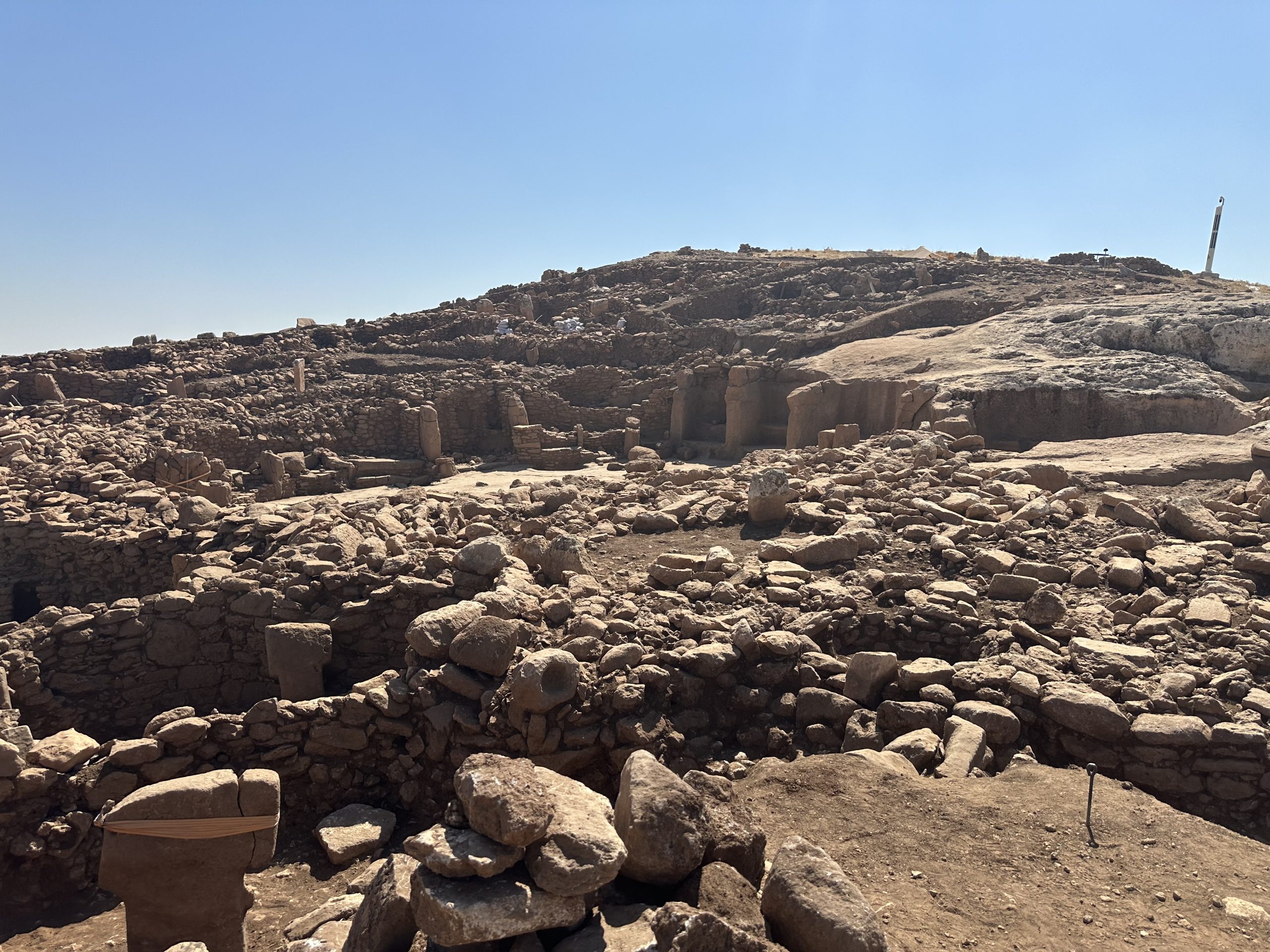
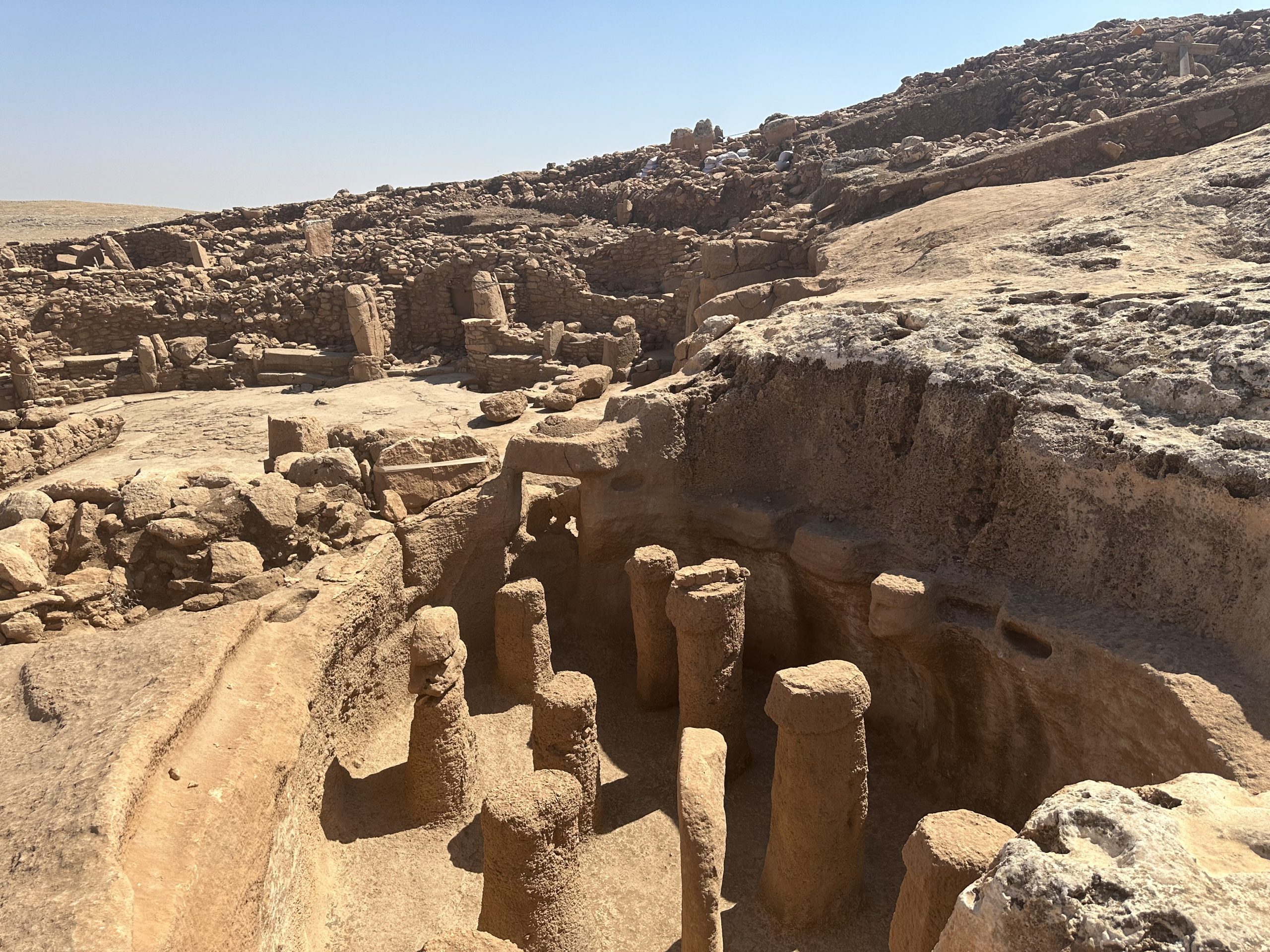
Karahan Tepe is one of the most fascinating and mysterious archaeological sites in the Şanlıurfa region of Türkiye. Located about 60 kilometers east of Şanlıurfa city center, this ancient complex is part of the larger Taş Tepeler (Stone Hills) region — home to the world’s earliest known monumental structures. Karahan Tepe is thought to be even older than the renowned Göbekli Tepe, estimated to be around 11,000 years old.
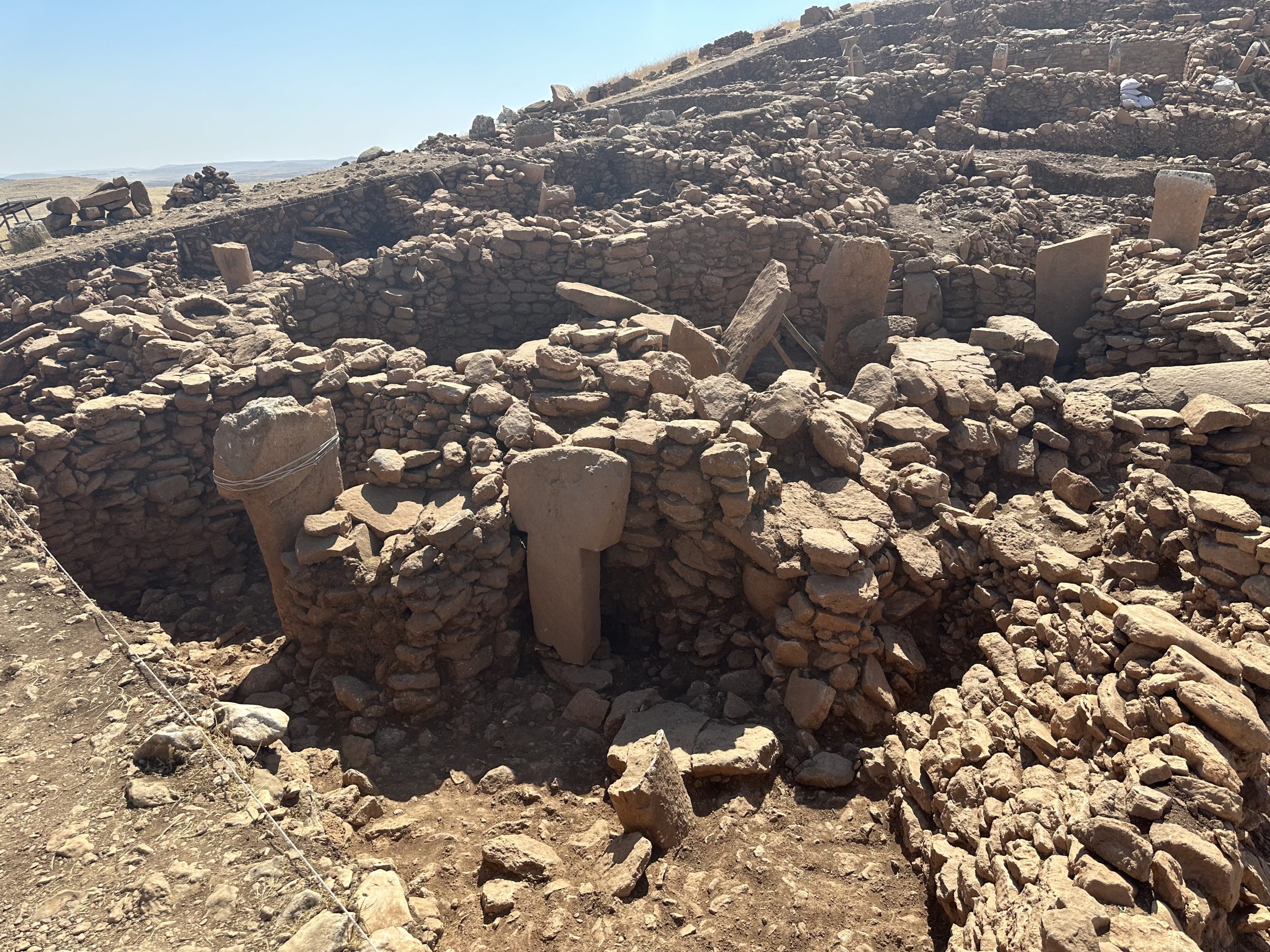
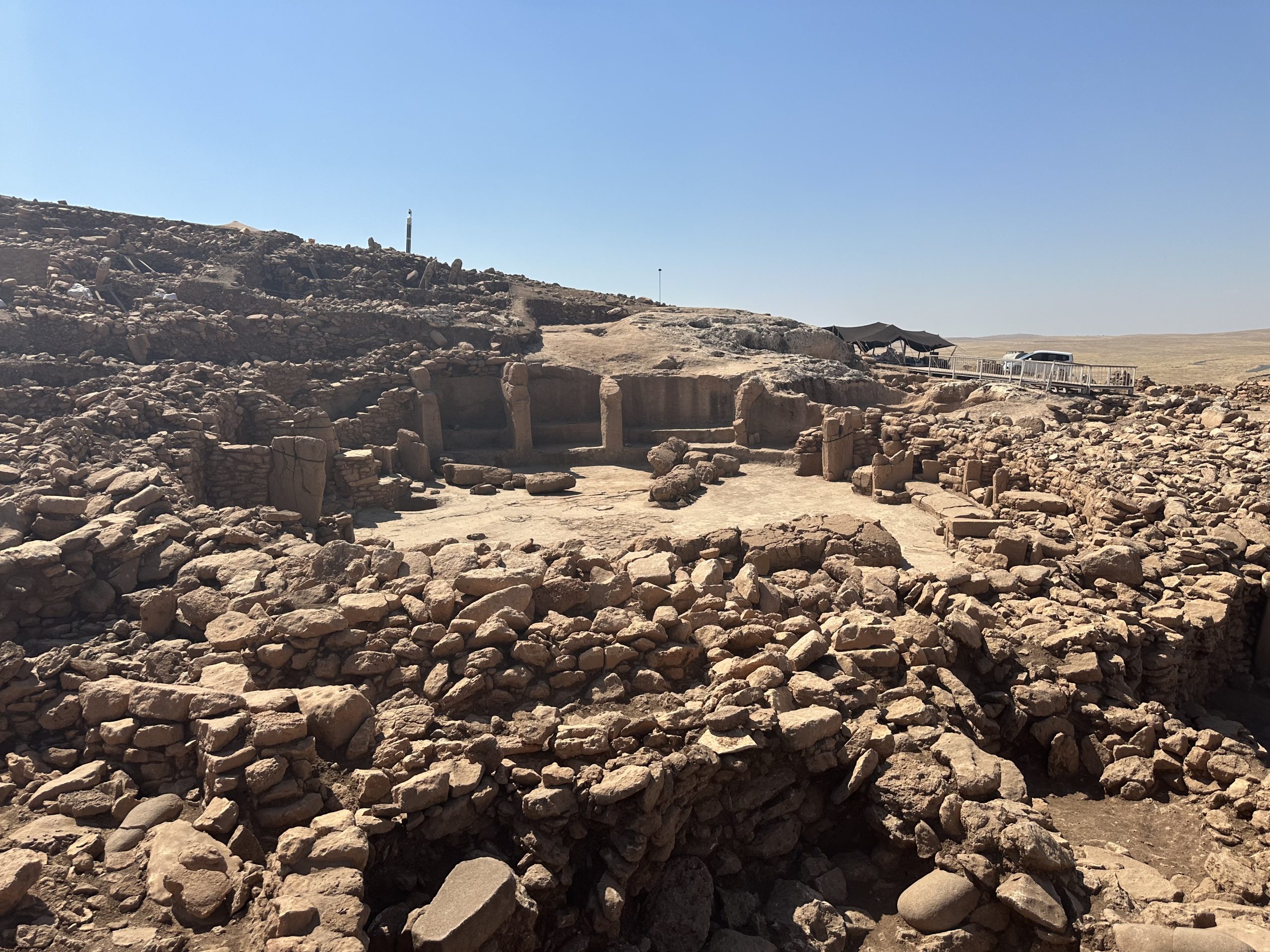
Discovered relatively recently and undergoing continuous excavations since the mid-1990s, Karahan Tepe is a true treasure for archaeologists and history lovers. Its series of T-shaped monolithic pillars, ritual spaces, and intricate animal carvings offer compelling evidence of a sophisticated ritual life practiced by Pre-Pottery Neolithic communities.
History and Significance
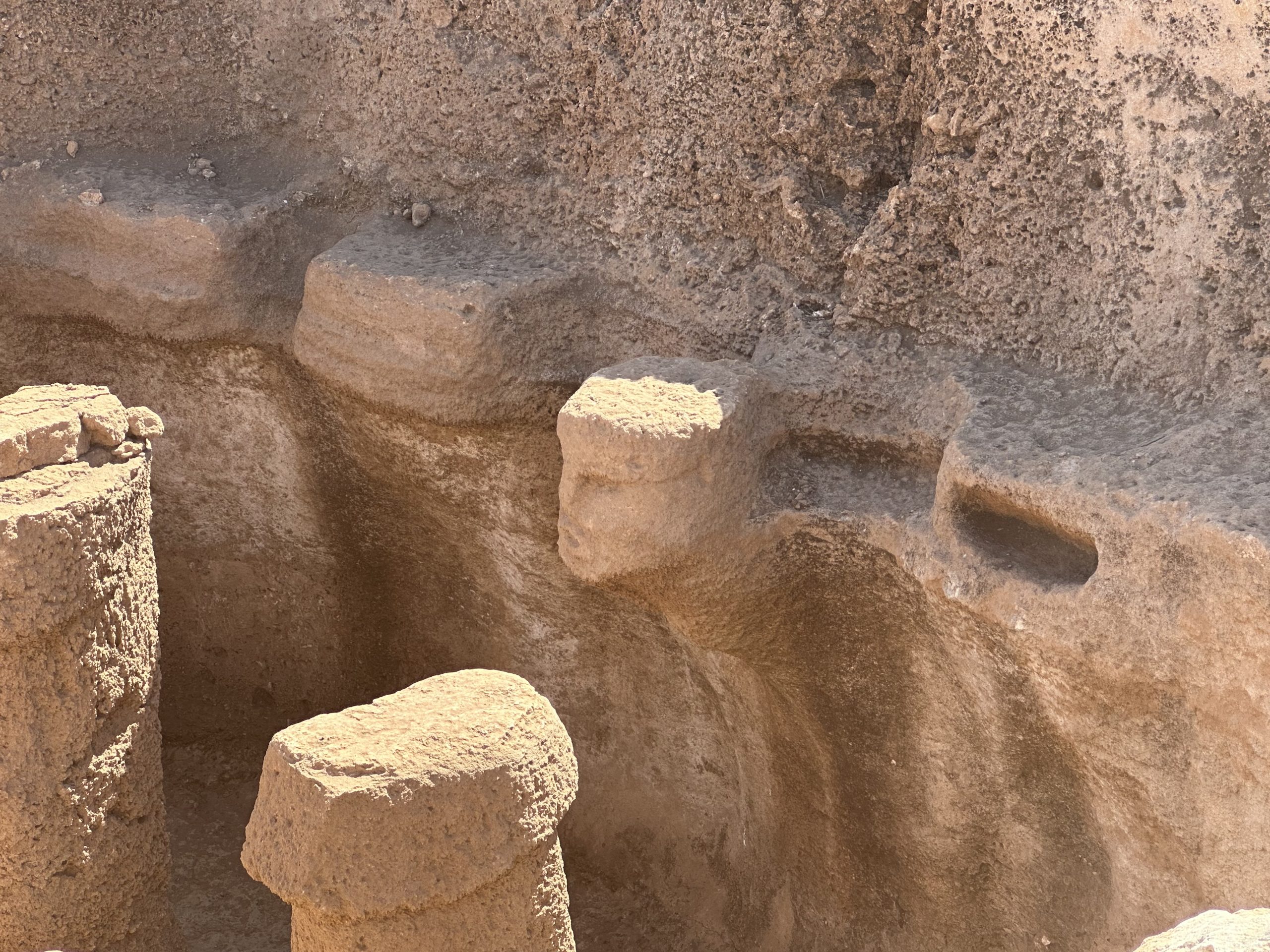
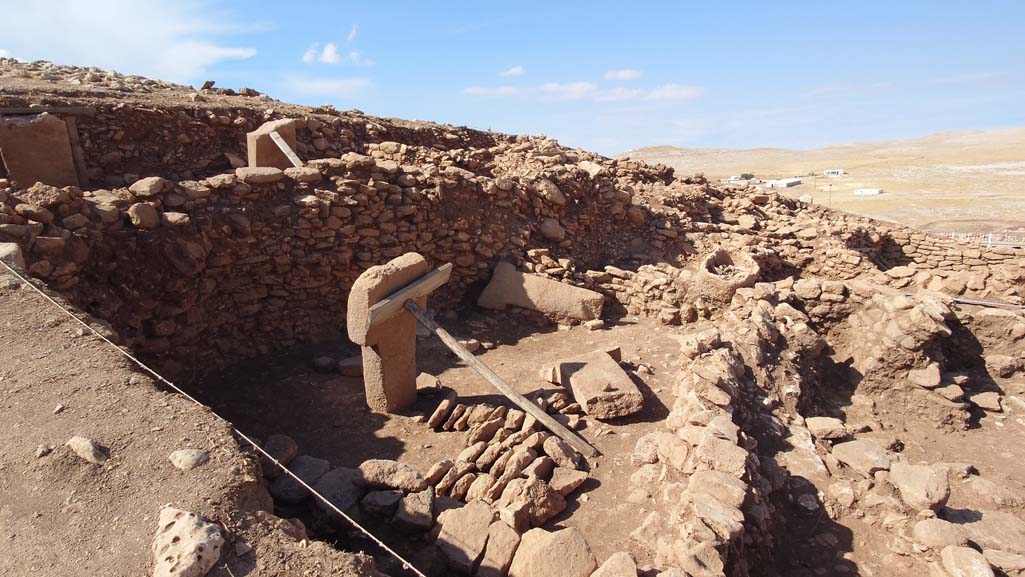
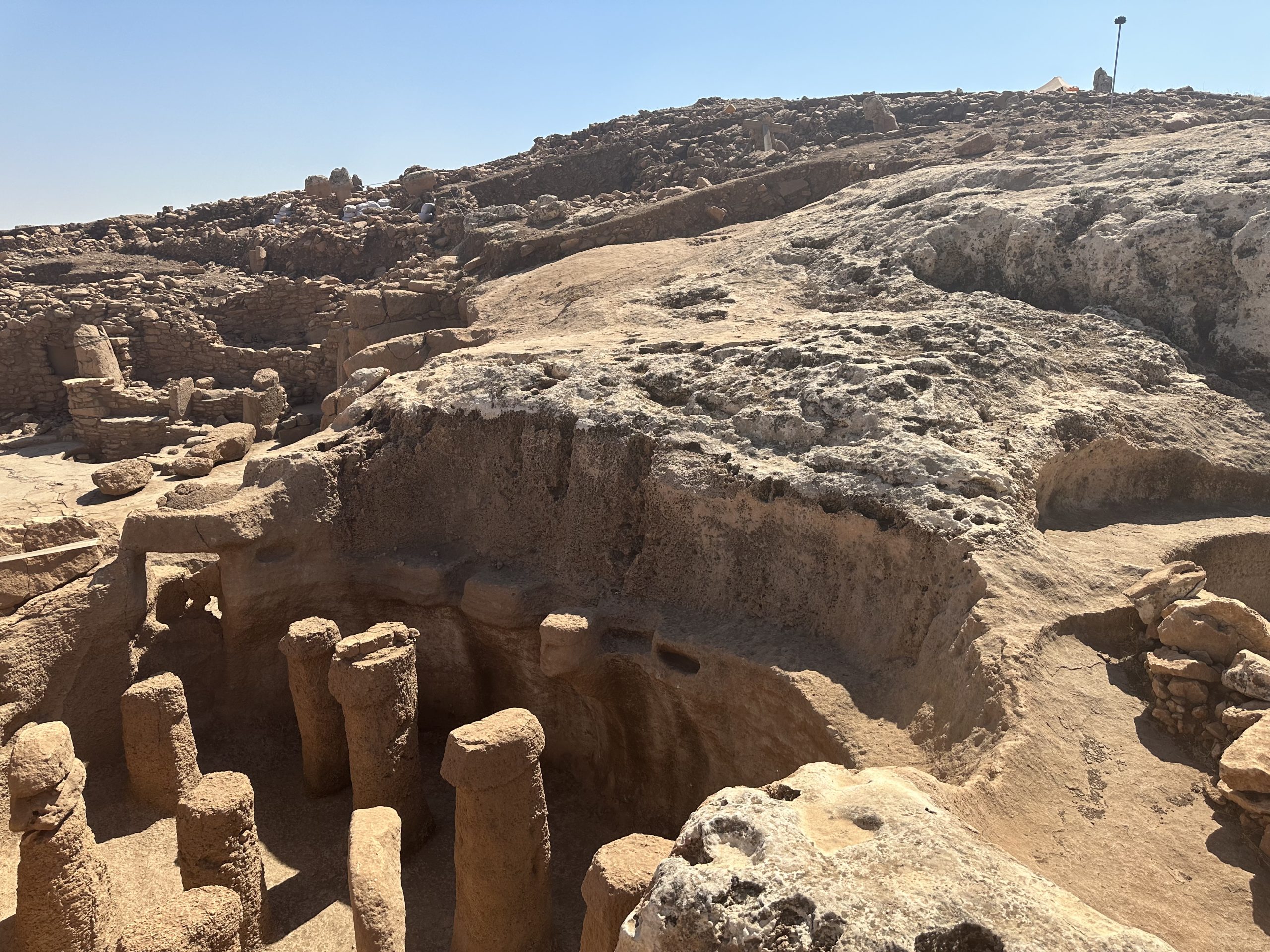
Karahan Tepe is part of the broader Neolithic cultural landscape of Upper Mesopotamia. Excavations reveal dozens of upright pillars and platforms, often adorned with intricate bas-reliefs of animals — including leopards, snakes, cranes, and foxes — pointing to rich symbolic traditions. Unlike nearby Göbekli Tepe, Karahan Tepe contains some of the most famous “human-faced” pillars and serpent depictions, emphasizing a complex spiritual belief system.
Archaeologists believe that Karahan Tepe was more than a gathering place; it was a sanctuary built by people who had yet to practice settled farming. The skill and communal effort needed to shape these stones and transport them long distances show a significant level of societal cooperation.
What to See at Karahan Tepe
Visitors to Karahan Tepe will encounter a landscape rich in historical intrigue and spiritual resonance.
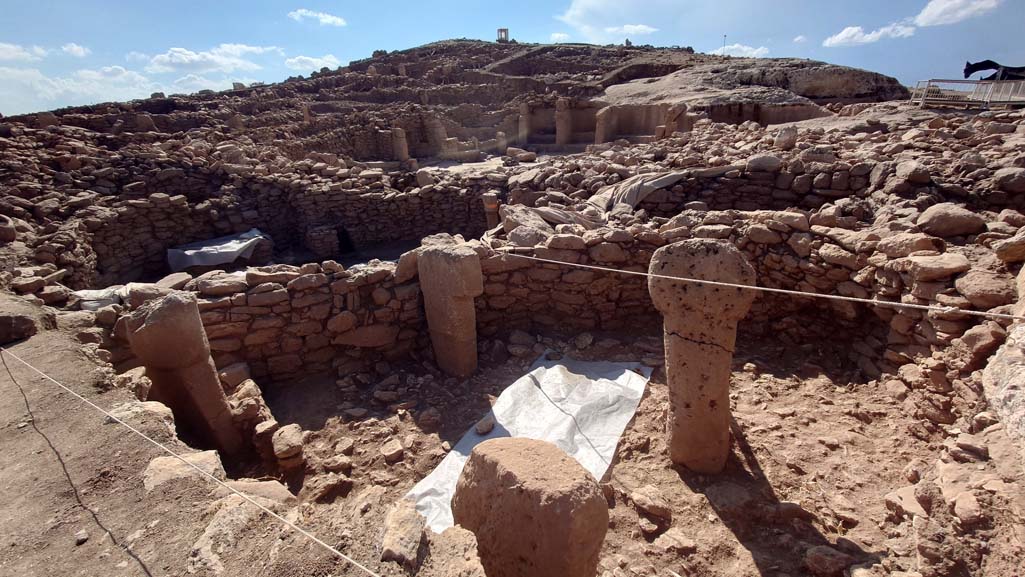
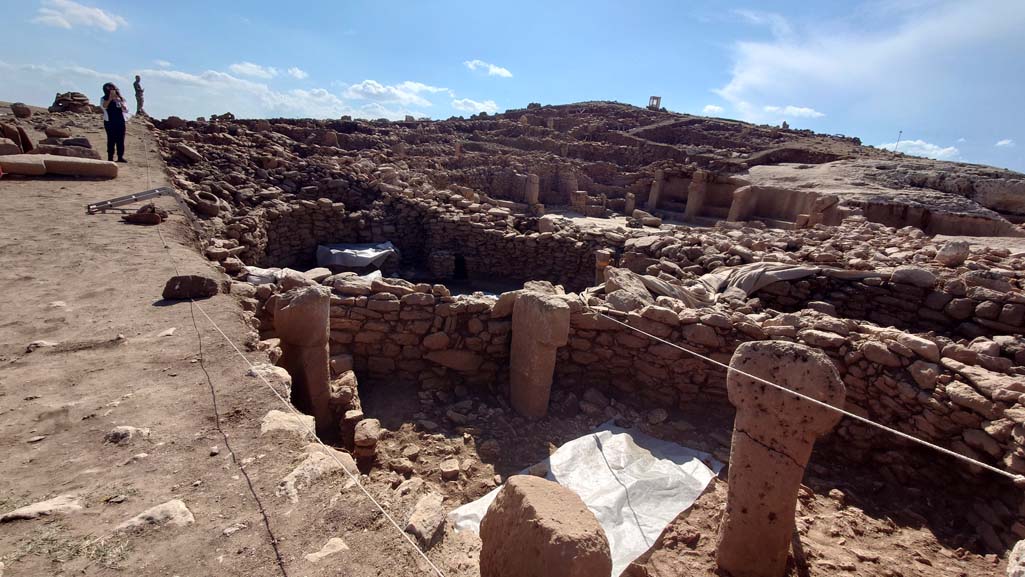
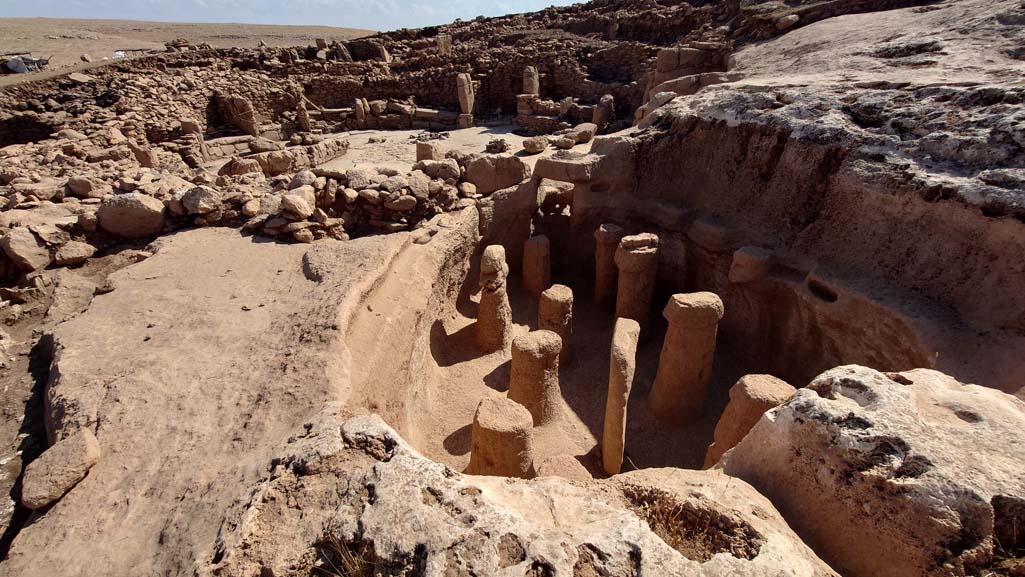
The Pillar Fields: Wander among the T-shaped megaliths, some with engraved hands, belts, and even carved depictions of wild animals that roamed this region thousands of years ago.
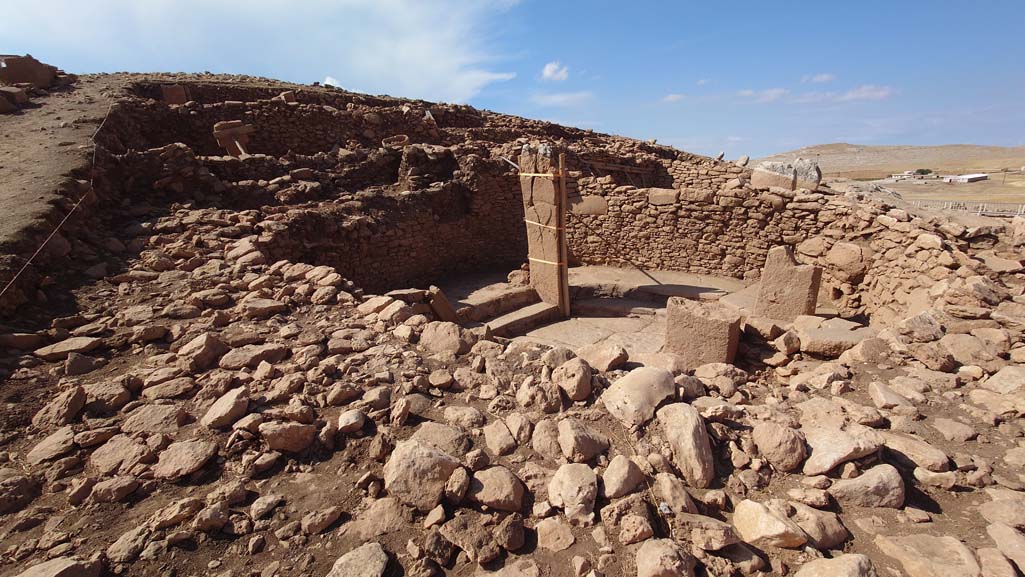
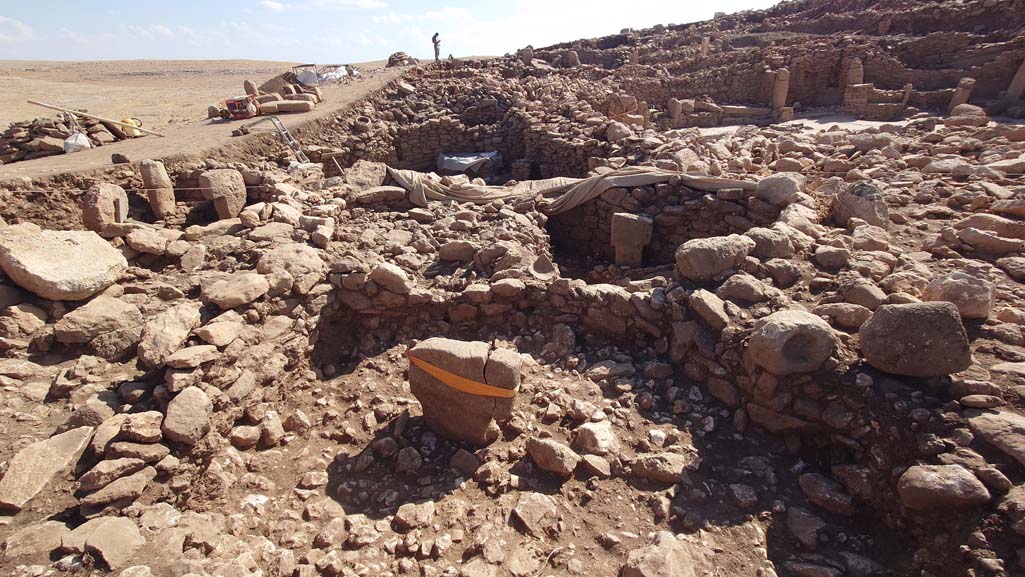
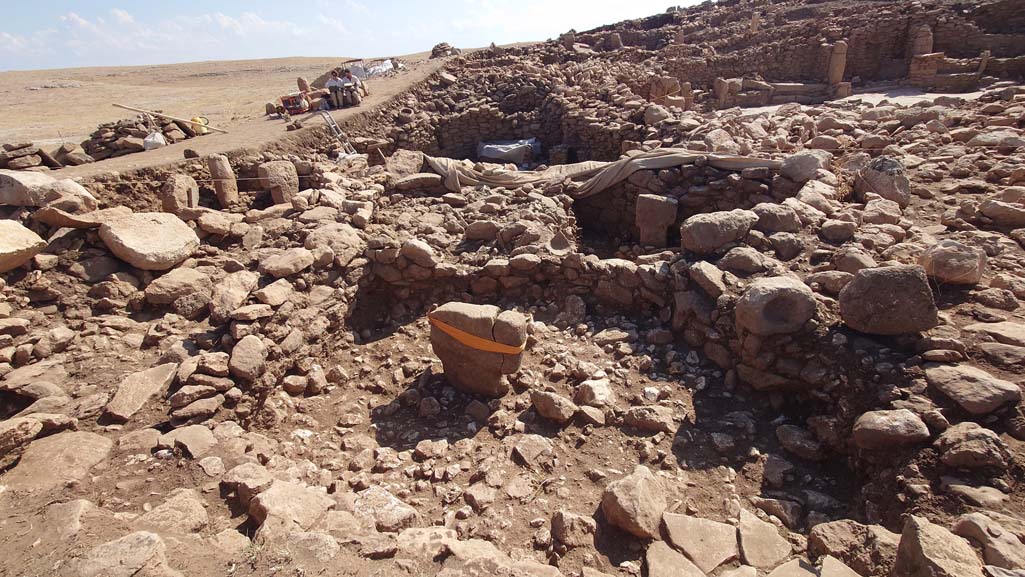
Enclosure Spaces: See the recently unearthed structures — oval-shaped rooms surrounded by pillars. Researchers believe these were ritual spaces for gathering and storytelling.
Aslantaş (‘Lion Stone’): This is the most prominent carved block at the site, inspiring the local name “Aslantaş,” which means “Lion Stone.”
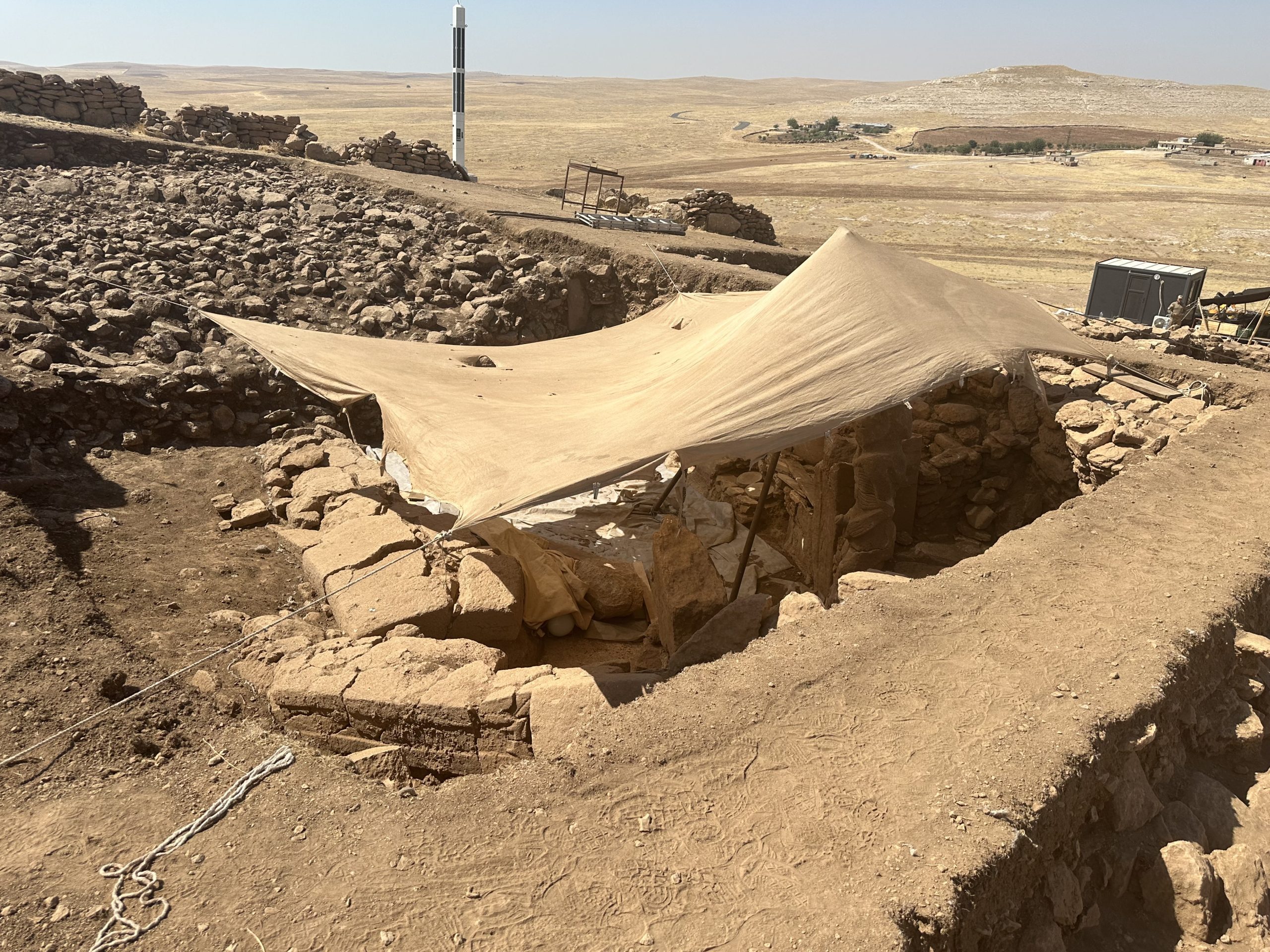
Spectacular Views: Set atop a hill, Karahan Tepe provides panoramic views of the surrounding countryside. Its remote beauty, dotted with sun-baked rocks and low scrub, transports you to an earlier epoch.
Visiting Karahan Tepe
While Karahan Tepe remains an active archaeological excavation, portions of the site are accessible to visitors. Sturdy shoes and sun protection are recommended — the terrain is uneven and there is little shade.
The easiest way to reach Karahan Tepe is by car from Şanlıurfa city center, approximately a one-hour drive. Taxi and tour options are also available. Visiting the site can be combined with trips to other archaeological marvels in the region, like Göbekli Tepe, Şanlıurfa Museum, and the sacred pools of Balıklıgöl.
When to Visit
The best time to visit Karahan Tepe is during spring (March–June) or autumn (September–November), when the weather is mild and the landscape is dotted with wildflowers or golden hues. Avoid summer if you can, as temperatures can rise considerably.
Karahan Tepe offers a profound connection to humanity’s earliest ceremonial traditions. Visiting this site feels like stepping into a sacred arena of long-lost storytellers and builders who shaped the course of our common history — a true pilgrimage for anyone captivated by the mysteries of prehistory.
Browse The Map
Reviews And Comments
Suggested Listings
Harran, Şanlıurfa

Balıklıgöl , Şanlıurfa

Göbekli Tepe , Şanlıurfa

Not rated yet.
Why don't you register your impressions?