


Contact
- Gesi Mahallesi, Melikgazi, Kayseri, Türkiye
- info@allabouturkiye.com
Where the Vines Whisper Stories and Doves Guard the Past
| MMonday | Open 24 Hours |
| TTuesday | Open 24 Hours |
| WWednesday | Open 24 Hours |
| TThursday | Open 24 Hours |
| FFriday | Open 24 Hours |
| SSaturday | Open 24 Hours |
| SSunday | Open 24 Hours |
Gesi Bağları and Güvercinlikler – A Timeless Cultural Tapestry in Kayseri, Türkiye
Nestled on the outskirts of Kayseri’s city center, the village of Gesi is a timeless corner of Central Anatolia that captivates visitors with its serene vineyards (bağlar), centuries-old architecture, and one-of-a-kind güvercinlikler—dovecotes carved into rock formations and stone houses. Gesi is more than a destination; it’s a living memory of traditional Anatolian village life, echoing with folk songs, agricultural rituals, and spiritual symbols.
The name Gesi may be familiar to many thanks to the famous Turkish folk song “Gesi Bağları,” which reflects a sense of longing, nostalgia, and melancholy tied to the village’s once-thriving life and distant loved ones. Today, Gesi Bağları stands not just as a lyric in a song, but as a beautiful testament to Türkiye’s deep-rooted rural culture, preserved in its cobblestone alleys, local stone houses, and lush vineyards.
The Charm of Gesi Bağları
Once a predominantly Armenian and Greek settlement during the Ottoman era, Gesi is home to stunning examples of Cappadocian stone masonry, with houses made of volcanic tuff stone adorned with arched doorways and intricately carved wooden shutters. Many of these homes have stood for hundreds of years and reflect a cultural harmony that once thrived in Anatolia.
The vineyards (bağlar) in Gesi were historically central to the village’s identity. Families grew grapes not only for eating and drying but also for making molasses (pekmez) and local wines. Visitors today can still explore these terraced vineyards and taste homemade grape products sold by villagers. Autumn is especially enchanting when the grape harvest transforms the area into a vibrant blend of color and aroma.
Güvercinlikler – The Dovecotes of Kayseri
One of the most unique features of Gesi is its güvercinlikler—dovecotes designed for pigeons, carved into the walls of homes and rock formations surrounding the village. In Anatolian culture, particularly in Central Türkiye, pigeons were treasured not only for their symbolism of peace and fertility but also for their practical value.
Pigeon droppings were once a vital source of fertilizer for local vineyards and crops. The villagers built and maintained these dovecotes with elaborate stonework and painted geometric motifs, sometimes including inscriptions and small niches for feeding. These structures are a rare blend of functionality and folklore, and their presence in Gesi offers a remarkable glimpse into sustainable agricultural traditions of rural Anatolia.
A Cultural Journey Through Time
Walking through Gesi is like stepping into a slow-moving, soulful world. You’ll hear the soft rustling of the poplar trees, the calls of doves overhead, and the warm chatter of villagers sitting outside their homes sipping tea. There are several old churches and fountains that speak of the multicultural past of the village, most notably the Surp Krikor Lusavoriç Church, which once served the Armenian community.
For photographers, historians, and cultural travelers, Gesi provides a perfect blend of architecture, landscape, and living heritage. Local guides are sometimes available to share oral histories and personal anecdotes about the houses, dovecotes, and families who once lived there.
How to Get There
Gesi is located approximately 12 km northeast of Kayseri city center, easily accessible by car or minibus. From the city center, follow the signs to Gesi Bağları via the Talas District, and you’ll reach the village in about 20 minutes. Public minibuses run from downtown Kayseri to Gesi, especially during the summer months and weekends.
Best Time to Visit
The ideal time to visit Gesi is during late spring to early autumn (May to October), when the vineyards are lush and the weather is mild. September and October are especially magical due to the grape harvest season, with local festivals and open-air gatherings.
Browse The Map
Reviews And Comments
Suggested Listings
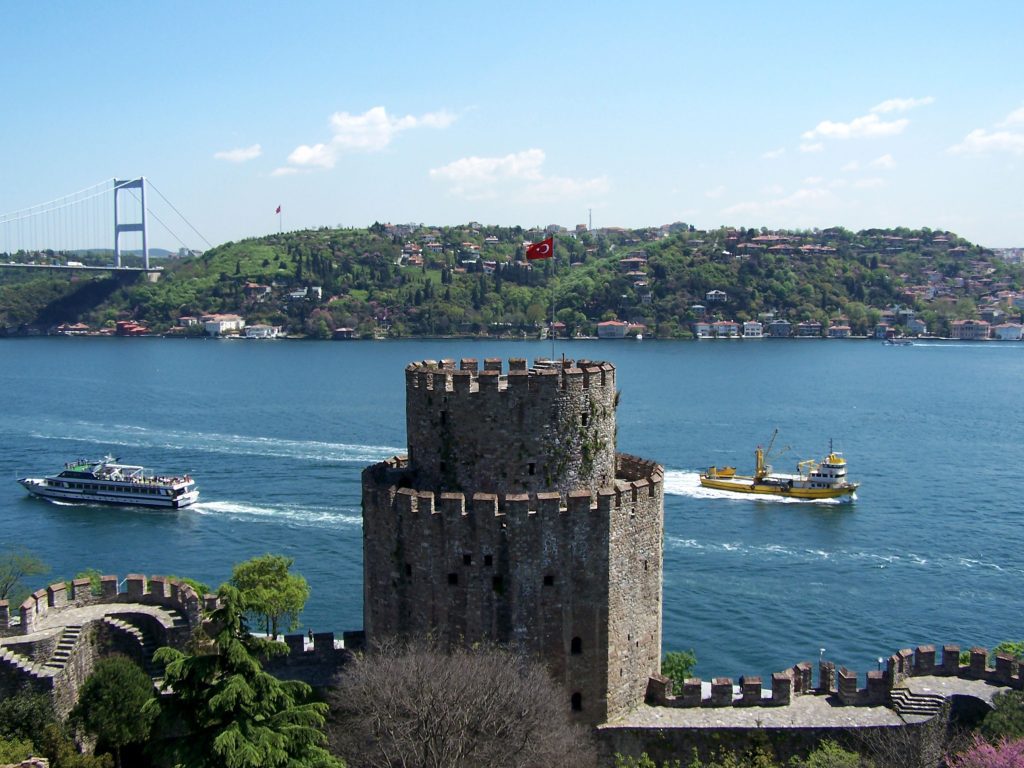
Rumeli Fortress Istanbul
Ölüdeniz, Fethiye, Muğla

Kayseri Travel Guide

Not rated yet.
Why don't you register your impressions?