


Contact
- Orduzu, 1. Sk. No:24, 44170 Battalgazi/Malatya
- +90 04223213006
- info@allabouturkiye.com
Where the Foundations of Power and Civilization Were Built
| MMonday | Closed |
| TTuesday | 08:00 AM - 17:00 |
| WWednesday | 08:00 AM - 17:00 |
| TThursday | 08:00 AM - 17:00 |
| FFriday | 08:00 AM - 17:00 |
| SSaturday | 08:00 AM - 17:00 |
| SSunday | 08:00 AM - 17:00 |
Arslantepe Mound: A UNESCO World Heritage Journey into the Birth of Civilization
Nestled just outside the modern city of Malatya in Eastern Anatolia, Arslantepe Mound (also known as Melid) is a fascinating archaeological site that offers a rare glimpse into the early stages of human civilization. Recognized as a UNESCO World Heritage Site in 2021, Arslantepe reveals a layered history dating back over 6,000 years, bridging the Chalcolithic, Bronze, and Iron Ages in one continuous sequence of human occupation. It stands as a crucial witness to the evolution of complex societies in Mesopotamia and Anatolia.
The Cradle of Authority and Architecture
One of the most remarkable aspects of Arslantepe is its evidence of one of the earliest known palatial complexes, dating to the 4th millennium BCE. Excavations have uncovered mudbrick walls adorned with geometric and figural frescoes, ceremonial rooms, storage areas, and monumental architecture that suggests a sophisticated administrative and bureaucratic system. These findings point to the emergence of social hierarchies, centralized power, and early state structures, making Arslantepe one of the birthplaces of organized political authority.
Equally important is the discovery of some of the world’s oldest swords at the site, dating to around 3,300 BCE, which suggests the early development of military organization and metallurgy. Rituals, feasting halls, and burial practices found on-site highlight the cultural complexity of the settlement.
Hittite and Neo-Hittite Layers
In later periods, Arslantepe became part of the Hittite Empire and later the Neo-Hittite kingdom of Melid. The site’s name, “Arslantepe” or “Lion Hill,” comes from the impressive lion statues and monumental stone reliefs unearthed at the entrance of the Neo-Hittite palace, depicting kings, warriors, and divine symbols. These artistic remains are now housed in the Malatya Museum, though some originals still rest on-site, adding grandeur to the ancient hill.
Ongoing Archaeology and Conservation
Excavations at Arslantepe have been led since the 1960s by Italian teams, most notably from Sapienza University of Rome. The site is open to the public, with information panels, walking paths, and viewing platforms that allow visitors to explore its key sections. Conservation work continues, preserving fragile murals and structures from environmental degradation.
A Unique Travel Experience in Eastern Türkiye
Arslantepe is not just an archaeological treasure—it’s a meditative, immersive experience in a serene rural setting. Visiting the mound offers a quiet but profound engagement with ancient history, surrounded by wheat fields, village homes, and the distant snow-capped peaks of the Eastern Taurus Mountains.
Visitors can walk through the ceremonial halls once used by Bronze Age elites, gaze upon the 4,000-year-old frescoes, and stand at the gate guarded by lions carved nearly 3,000 years ago. This site offers one of the best-preserved examples of early monumental architecture in all of Anatolia and is increasingly attracting global attention for its historical significance.
How to Get There
Arslantepe Mound is located about 7 kilometers west of Malatya city center in Eastern Türkiye.
By Car: Easily accessible by car from Malatya via Battalgazi road. Parking is available at the entrance.
By Public Transport: Regular minibus (dolmuş) services or taxis can take you to the site from Malatya city center.
By Air: Malatya Erhaç Airport (MLX) has daily domestic flights from major cities like Istanbul and Ankara.
Best Time to Visit
The ideal time to visit Arslantepe is spring (April–June) and autumn (September–October), when the weather is mild and ideal for exploring open-air sites. Summers can be hot, while winters may bring snow to the region.
Browse The Map
Reviews And Comments
Suggested Listings
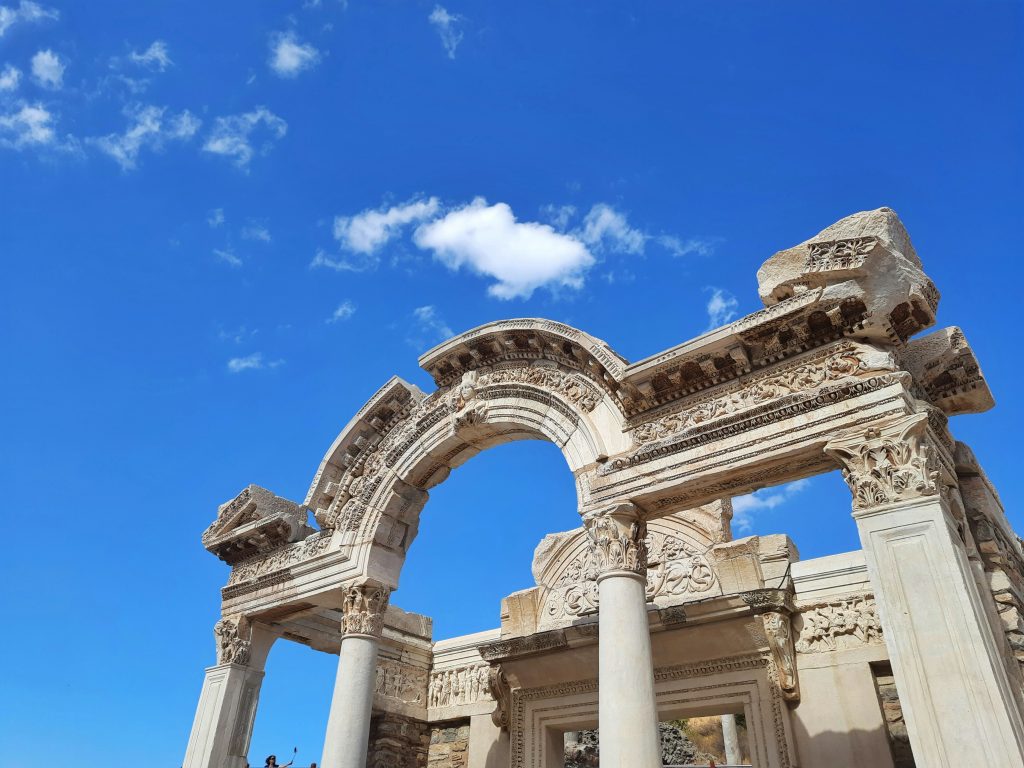
Temple of Hadrian in Ephesus
Aslantepe Höyüğü (Tumulus), Malatya

Arapgir District Malatya

Not rated yet.
Why don't you register your impressions?