


Contact
- Orduzu Mahallesi, Battalgazi, 44100 Malatya, Türkiye
- +90 (0422) 212 09 99
- info@allabouturkiye.com
Where Kings Ruled Before History Was Written
| MMonday | 09:00 AM - 18:00 |
| TTuesday | 09:00 AM - 18:00 |
| WWednesday | 09:00 AM - 18:00 |
| TThursday | 09:00 AM - 18:00 |
| FFriday | 09:00 AM - 18:00 |
| SSaturday | 09:00 AM - 18:00 |
| SSunday | 09:00 AM - 18:00 |
Nestled just a few kilometers from Malatya’s modern city center, Aslantepe Tumulus (Aslantepe Höyüğü) is one of the most significant archaeological sites not only in Türkiye but in the entire Near East. With layers of civilizations dating back over 6,000 years, this ancient mound holds the secrets of one of the world’s earliest known palatial complexes and offers visitors an unparalleled glimpse into early state formation and urbanization.
A Cradle of Civilization
Aslantepe, meaning “Lion Hill,” was continuously inhabited from the Chalcolithic Age through the Late Hittite period and into Roman times. The most remarkable discovery at the site is the 4th millennium BCE palace, considered one of the oldest known in the world. This mudbrick structure with painted walls, ceremonial halls, and administrative rooms is evidence of an early centralized bureaucracy and complex social order long before Mesopotamian empires took form.
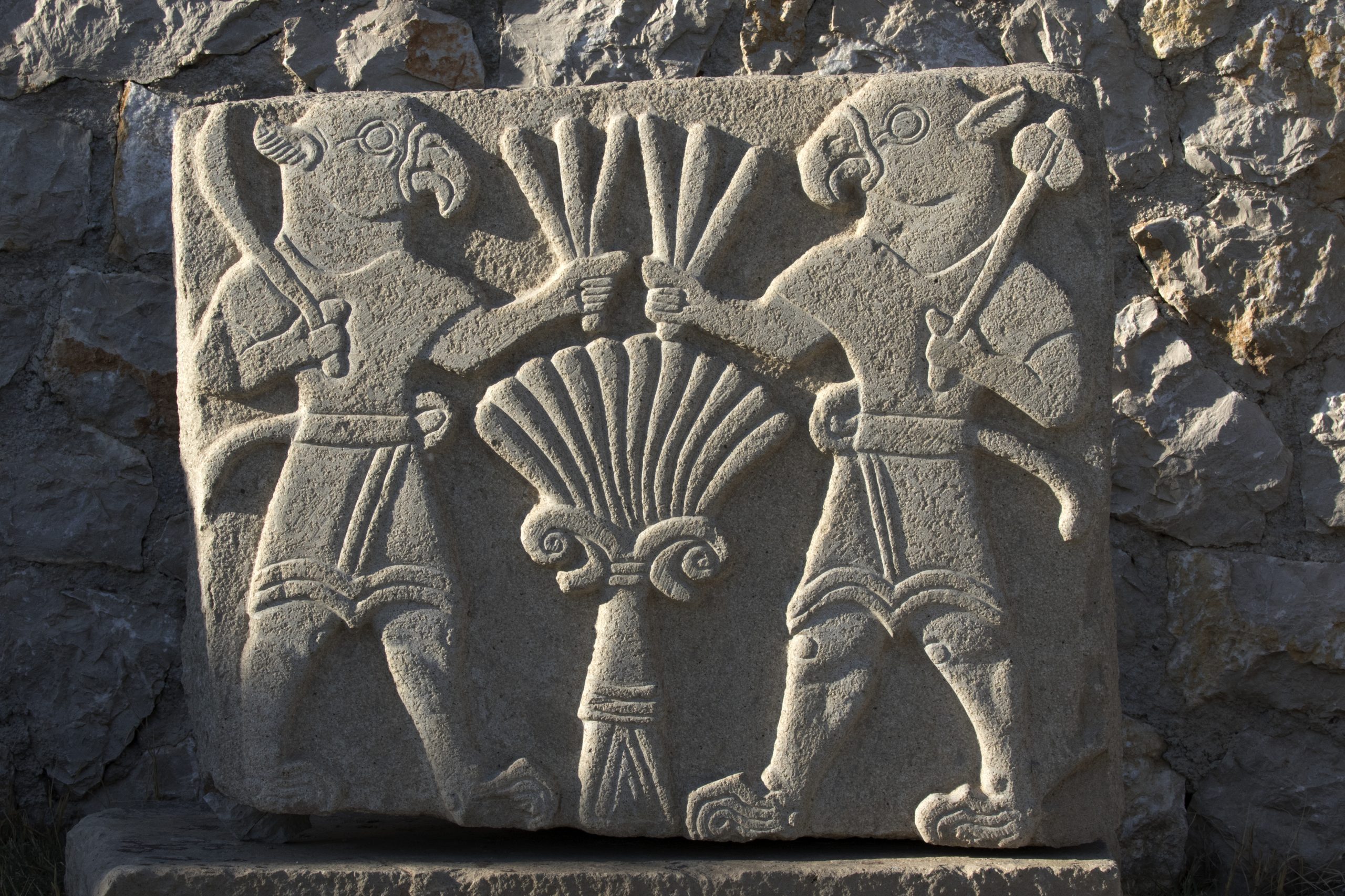
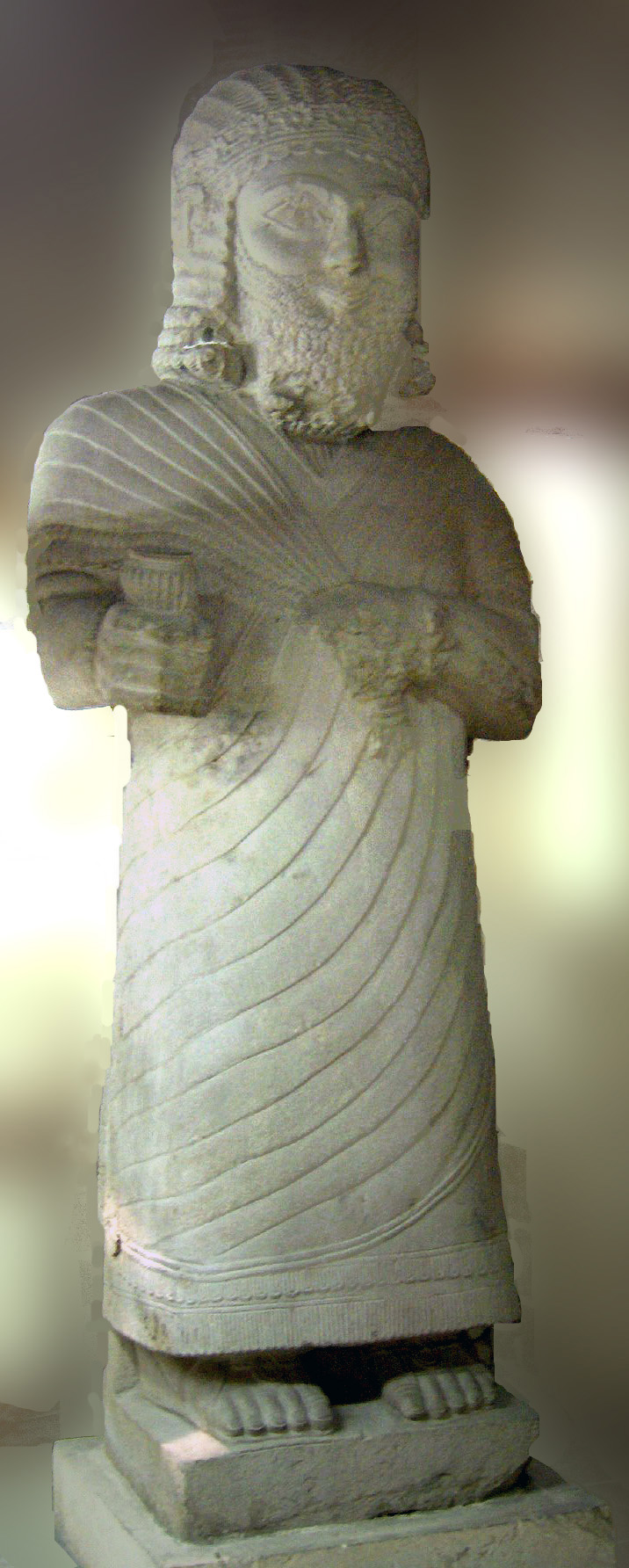
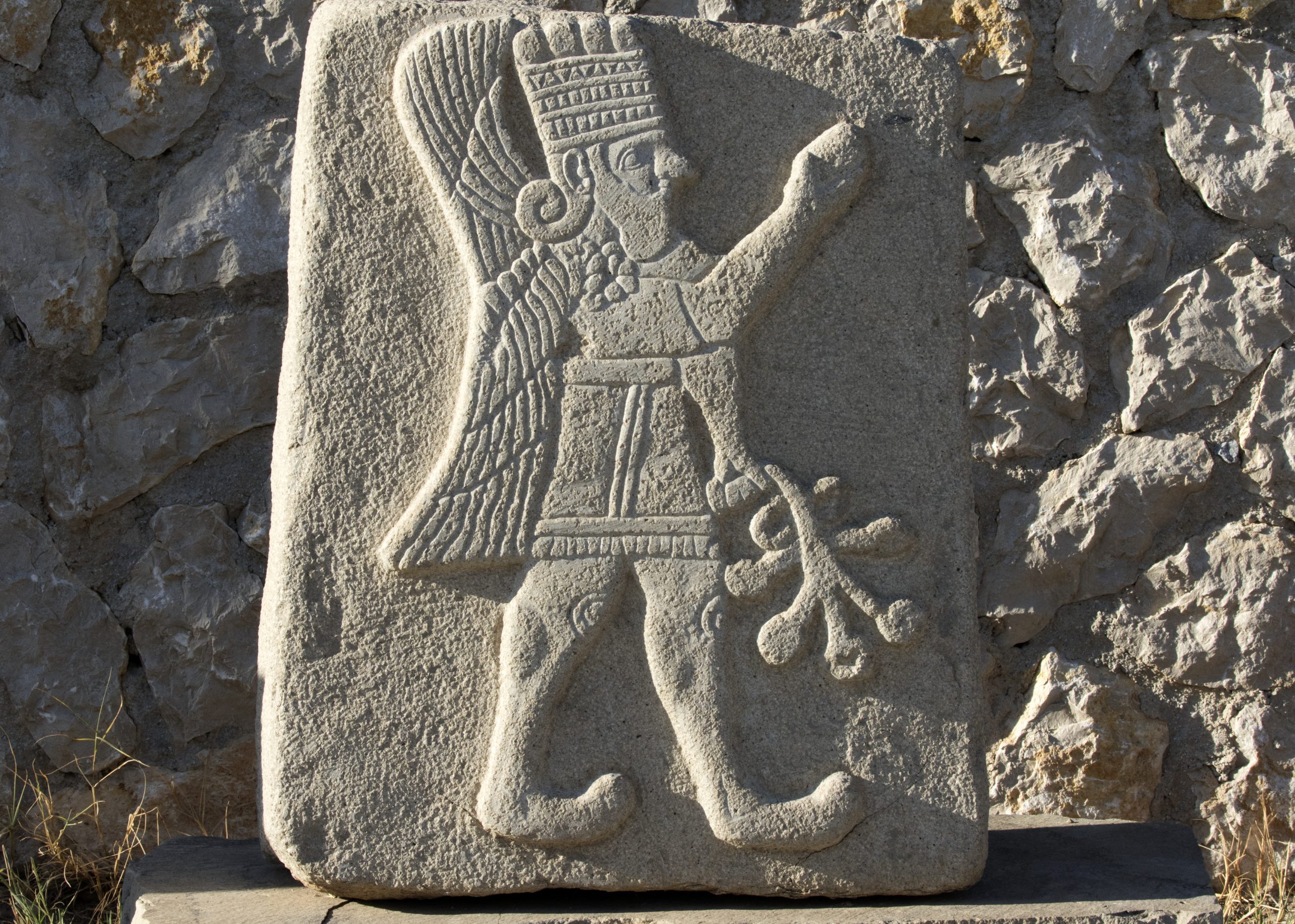
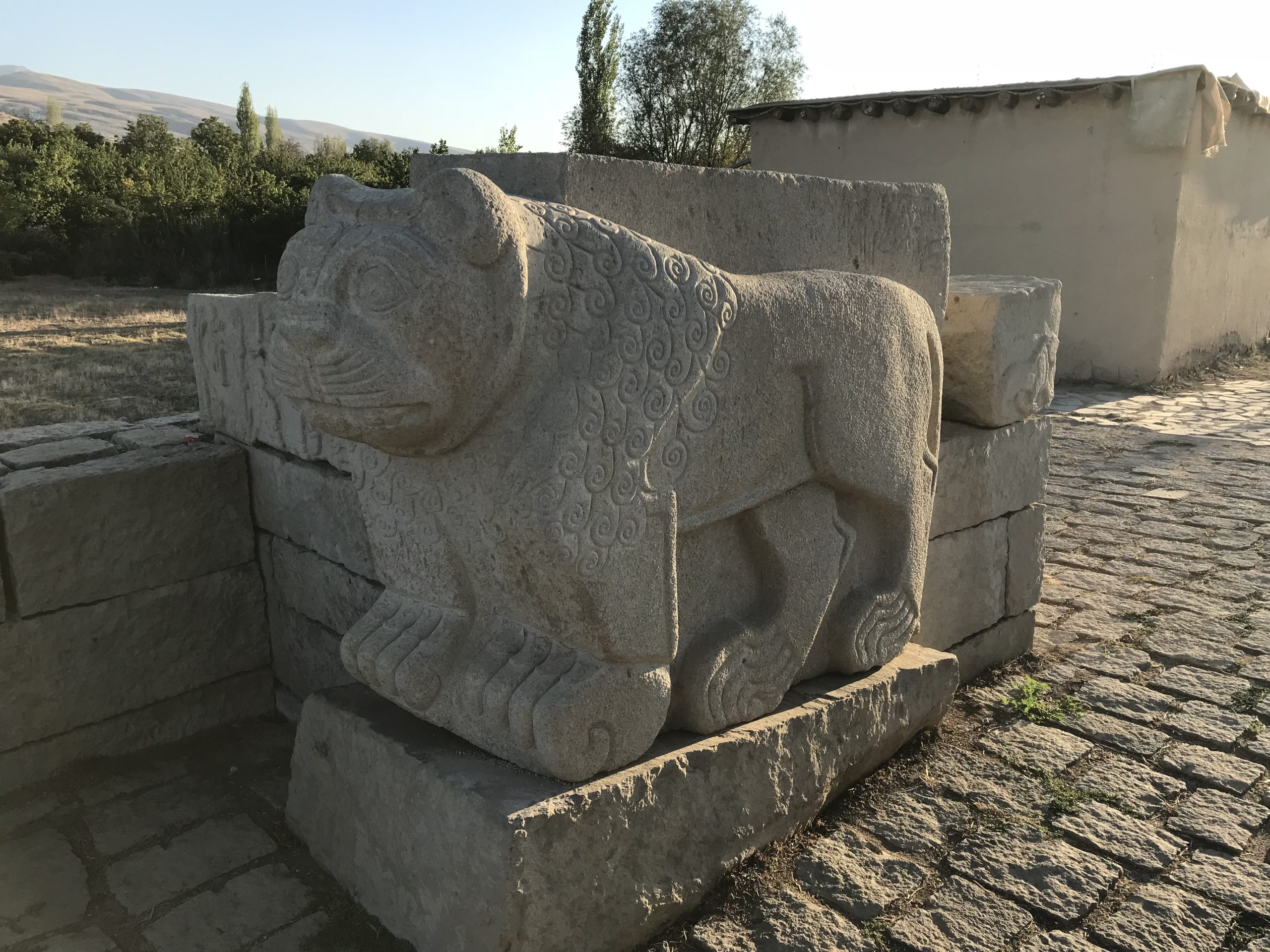
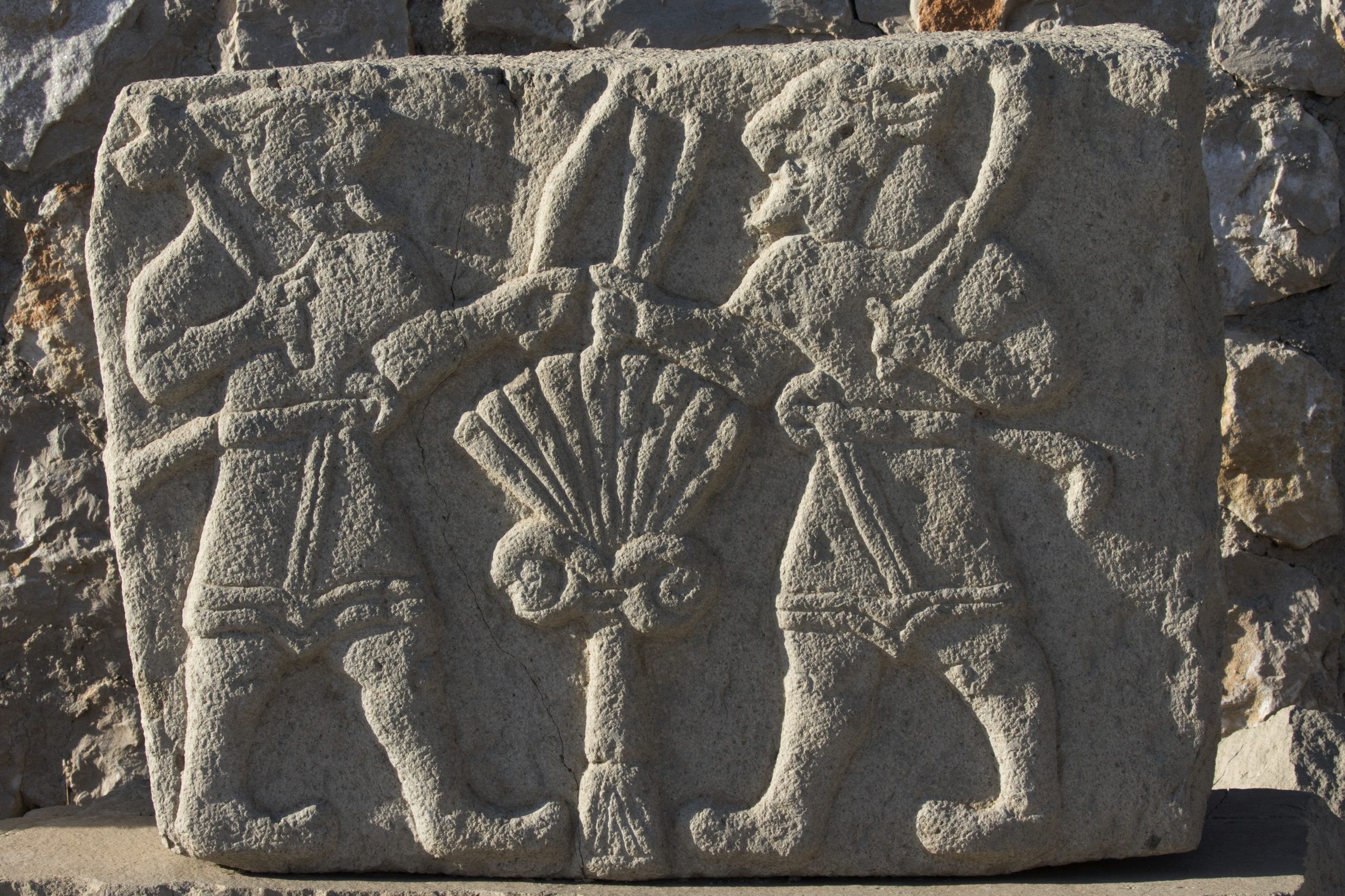
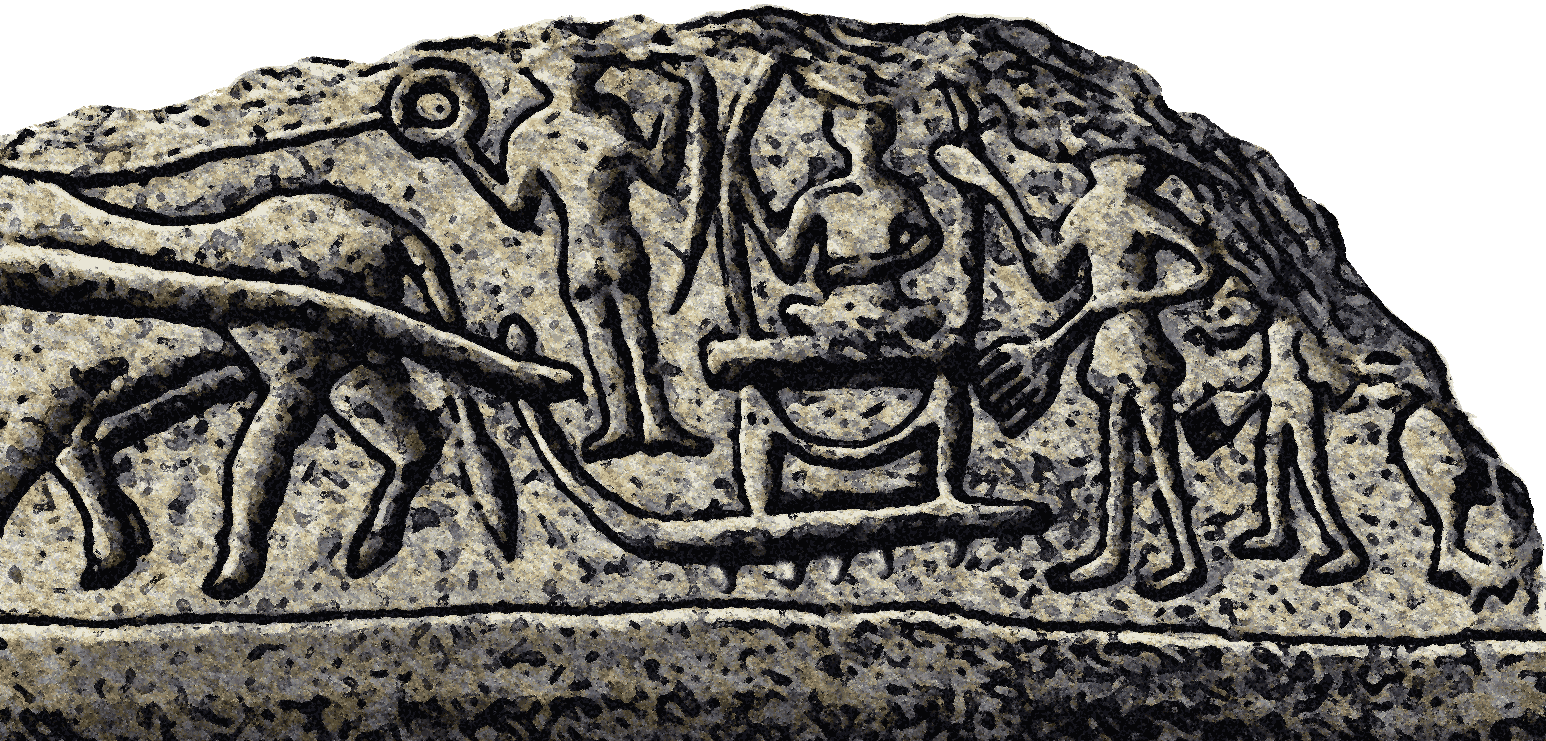
Excavations, mostly led by Italian archaeologists since the 1960s, have uncovered layers that include Hurrian, Hittite, and Neo-Hittite settlements. Among the most iconic finds are two lion statues—which gave the site its name—and a series of stone reliefs now housed in the Malatya Archaeological Museum. The architecture and artifacts unearthed here have radically altered historians’ understanding of early state societies.
Architecture and Unique Finds
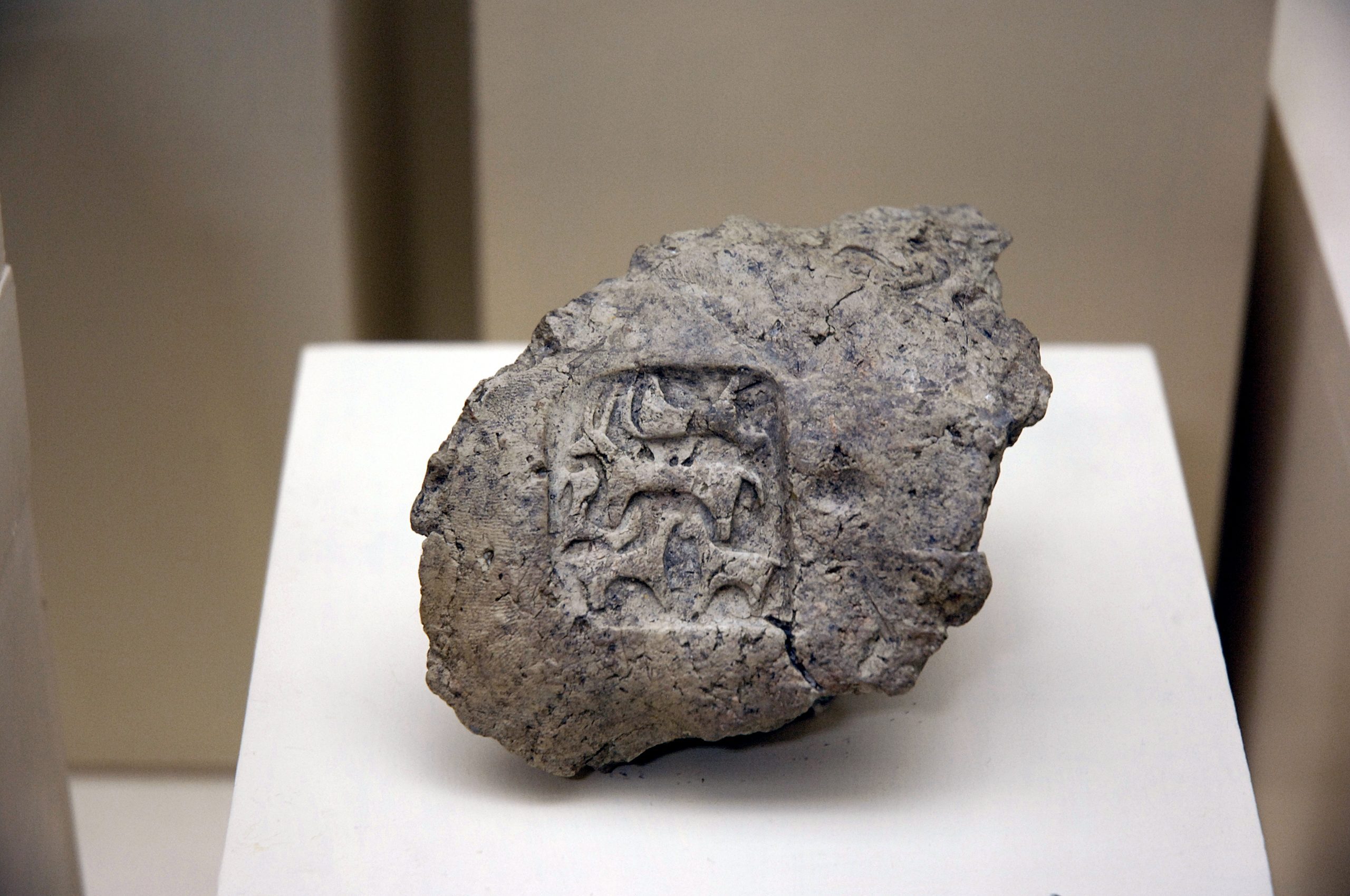
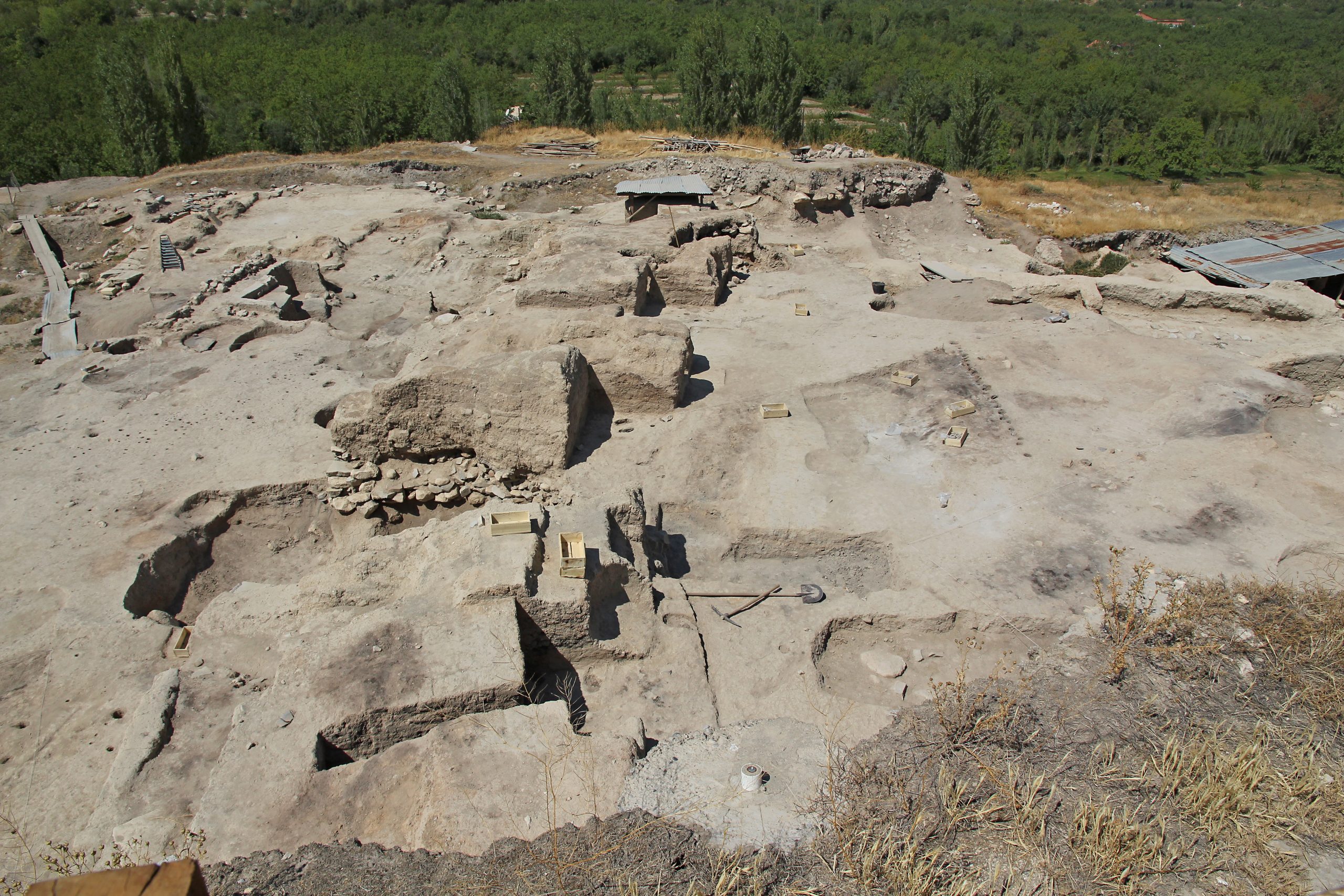
The palace at Aslantepe reveals a complex of mudbrick corridors, storage rooms, and audience halls, believed to have served both political and religious purposes. Its wall paintings, preserved under layers of earth, showcase stylized geometric motifs and symbols of power. Archaeologists have also discovered clay seals, metal weapons, and cuneiform tablets, pointing to advanced recordkeeping and trade systems.
A highlight of any visit is walking the raised walkways above the excavation pits, where visitors can peer directly into the preserved walls and floorplans of buildings dating back more than 5,000 years. Informational signs offer insight into each stratum of the mound, while nearby reconstructions help visualize the grandeur of the ancient palace.
Story Among the Stones
Imagine walking through a dusty corridor, sun casting long shadows over mudbrick walls, knowing you’re standing where the earliest known rulers of the Anatolian plateau governed, worshipped, and strategized. Local legend tells of a queen who once watched over the valley from Aslantepe, her wisdom said to rival the famed rulers of Mesopotamia. Though her name has been lost to time, the grandeur of her court lingers in the echo of each carved symbol and faded mural.
In the silence of the tumulus at sunset, the wind carries whispers from a time when early kings ruled with both ritual and might—a reminder of the deep roots of civilization that took hold in this very land.
How to Get There
Aslantepe Tumulus is located approximately 7 km from Malatya city center, making it easily accessible by car, taxi, or minibus. From Malatya Airport, it takes about 25 minutes to reach the site. Visitors can also pair their trip with a stop at the Malatya Museum, where many of the site’s original findings are preserved.
By Car: Head east on D300 and follow signs for Battalgazi.
By Public Transport: Minibuses run from central Malatya to Battalgazi district frequently.
By Tour: Some local travel agencies in Malatya offer guided tours, especially during peak seasons.
Best Time to Visit
The best time to visit Aslantepe is in spring (April–June) and autumn (September–October) when temperatures are mild, and the skies are clear. Summers can be hot and dry, while winters are cold and sometimes snowy, which may hinder walking around the open-air excavation areas.
Things to Do Nearby
Malatya Archaeological Museum – View the statues, seals, and tools found at Aslantepe.
Battalgazi Grand Mosque – A stunning Seljuk-era mosque not far from the tumulus.
Malatya City Center – Try apricot-based dishes and explore the vibrant local bazaar.
Levent Valley – A breathtaking natural area ideal for hiking and panoramic photography.
Browse The Map
Reviews And Comments
Suggested Listings
Vedius Gymnasium and Stadium

Arapgir District Malatya

Arslantepe Mound, Malatya

Not rated yet.
Why don't you register your impressions?