



Contact
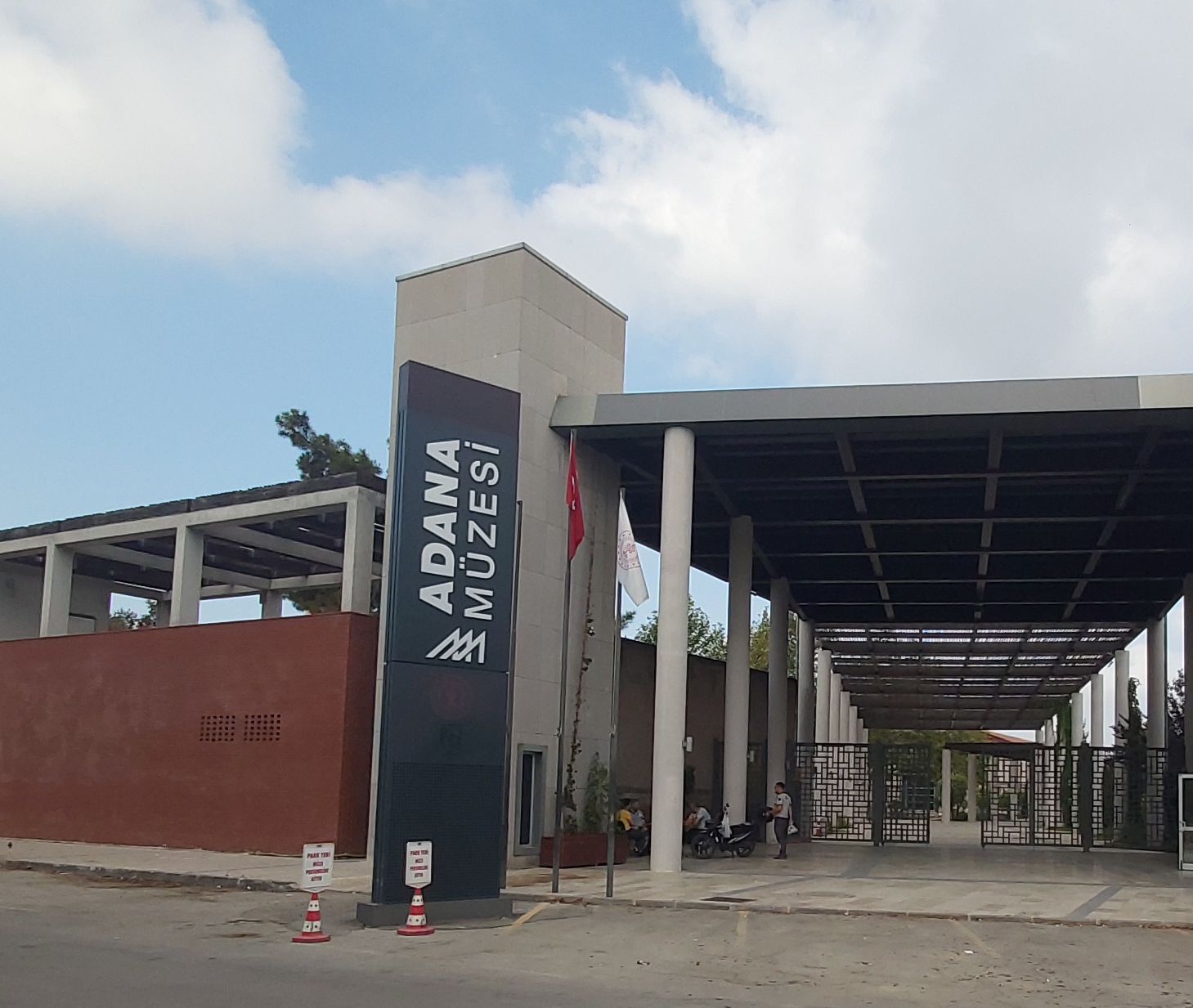
- Adana Archaeology Museum Döşeme Mahallesi Ahmet Cevdet Yağ Bulvarı No:7 Seyhan/Adana
- adanamuzesi@ktb.gov.tr
The Ancient Civilizations of Çukurova Under One Roof
| MMonday | 08:30 AM - 17:00 |
| TTuesday | 08:30 AM - 17:00 |
| WWednesday | 08:30 AM - 17:00 |
| TThursday | 08:30 AM - 17:00 |
| FFriday | 08:30 AM - 17:00 |
| SSaturday | 08:30 AM - 17:00 |
| SSunday | 08:30 AM - 17:00 |
The Adana Archaeological Museum stands at the intersection of archaeology, modern history, and industrial heritage, making it fundamentally different from many regional museums in Türkiye. Established in 1924, shortly after the proclamation of the Republic, it is among the ten oldest museums in the country and reflects the early Republican commitment to preserving Anatolia’s cultural legacy.
The museum’s story began modestly, with column capitals, sarcophagi, and stone fragments collected from Adana and its surroundings and stored within the Police Department. In 1928, under the directorship of Halil Kamil Bey, the collection was opened to the public in the madrasa of the former Cafer Pasha Mosque, near the historic Taşköprü (Stone Bridge). As excavations across Çukurova intensified, the growing collection required new spaces, leading to successive relocations—including the Kuruköprü Memorial Building in 1950 and a purpose-built museum opened in 1972.
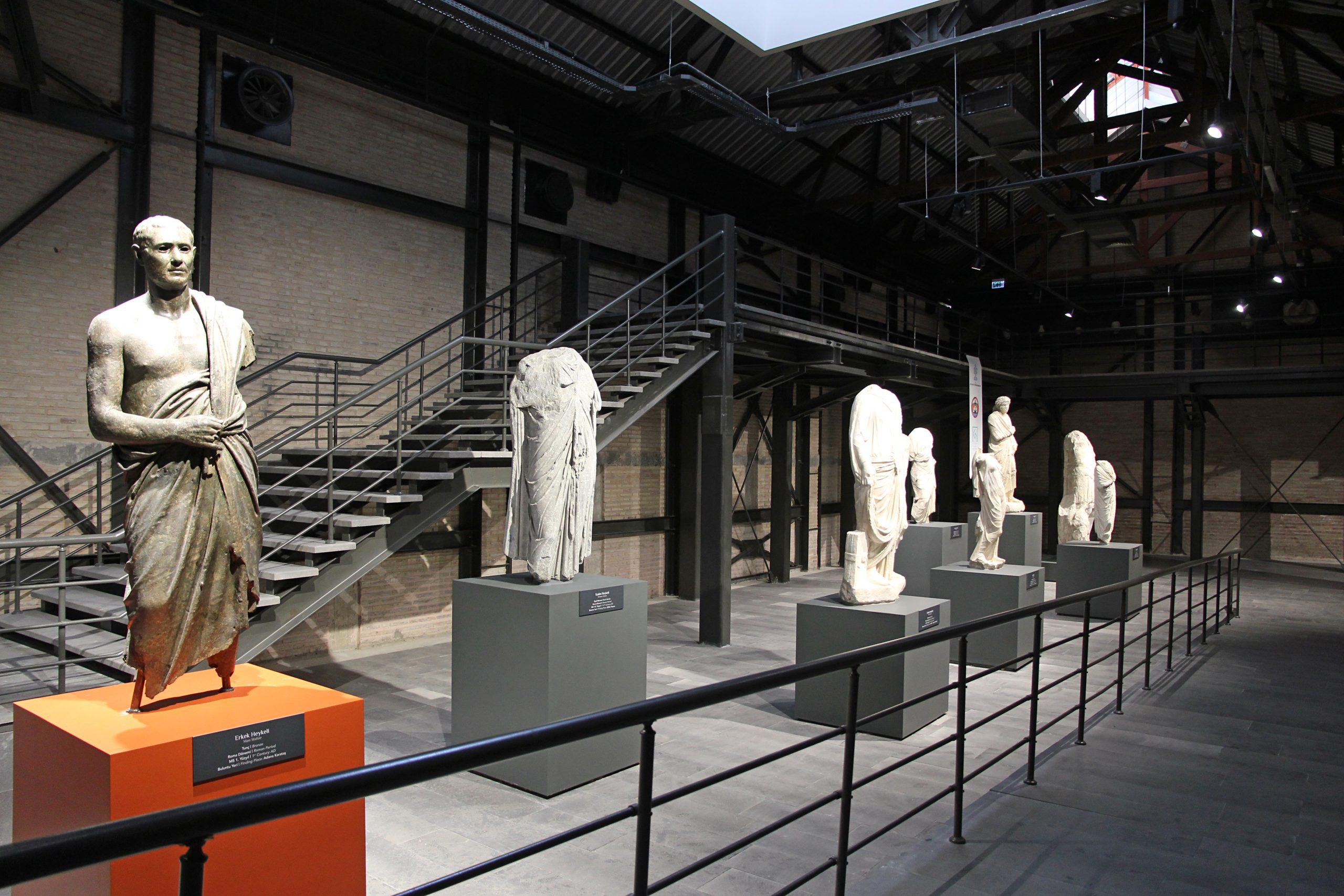
A major transformation occurred in the 21st century, when the museum outgrew its facilities both physically and conceptually. Rather than constructing a conventional new building, authorities chose to restore the historic National Textile Factory (Milli Mensucat Fabrikası) in Adana’s Döşeme Neighborhood, one of the city’s earliest industrial complexes. Originally founded in 1907 by Aristidi Kozma Simyonoğlu, the factory later became a symbol of Republican-era industrialization and social welfare, offering housing, healthcare, and education to its workers. Its cultural impact extended into literature, inspiring Orhan Kemal’s novel Murtaza.
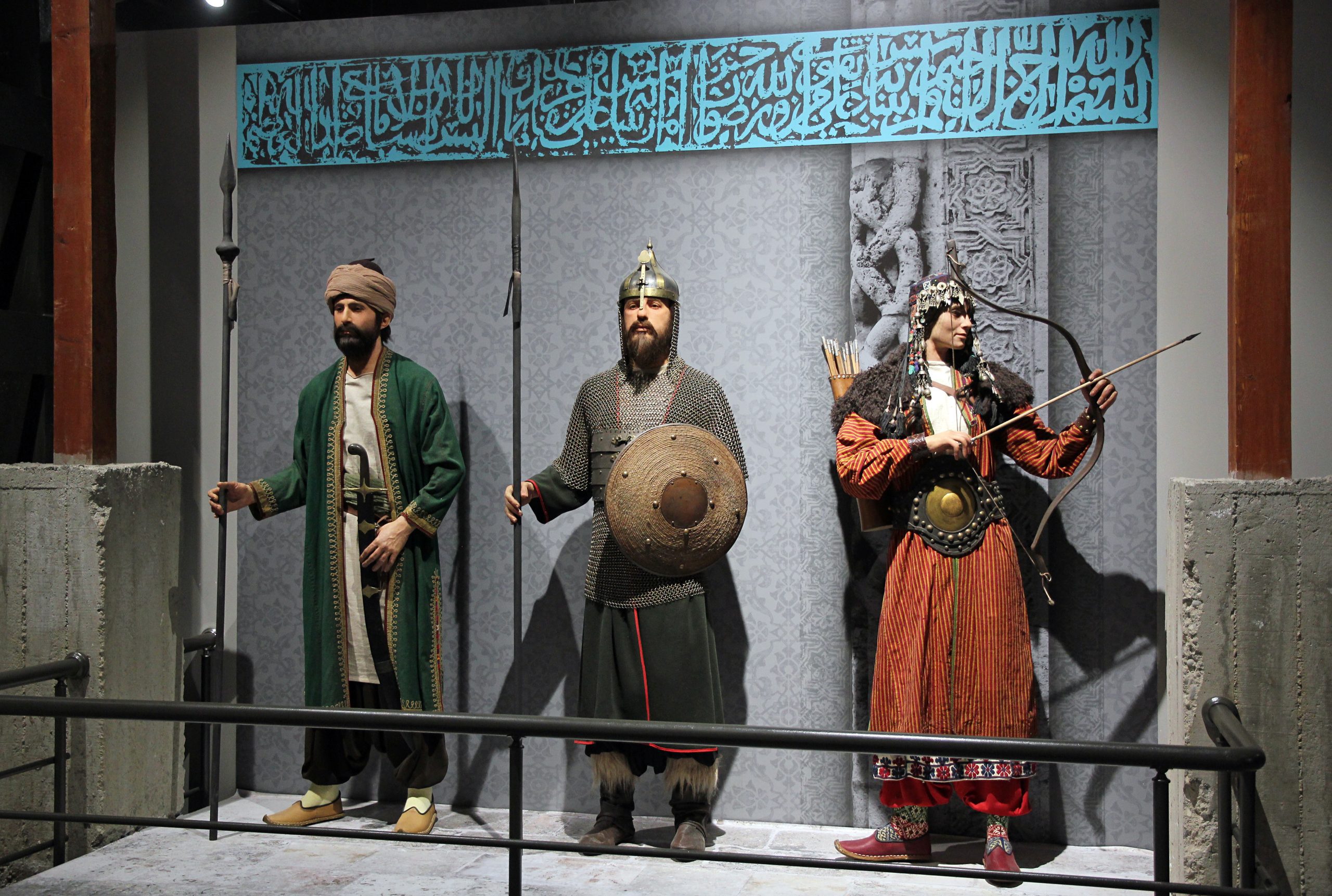
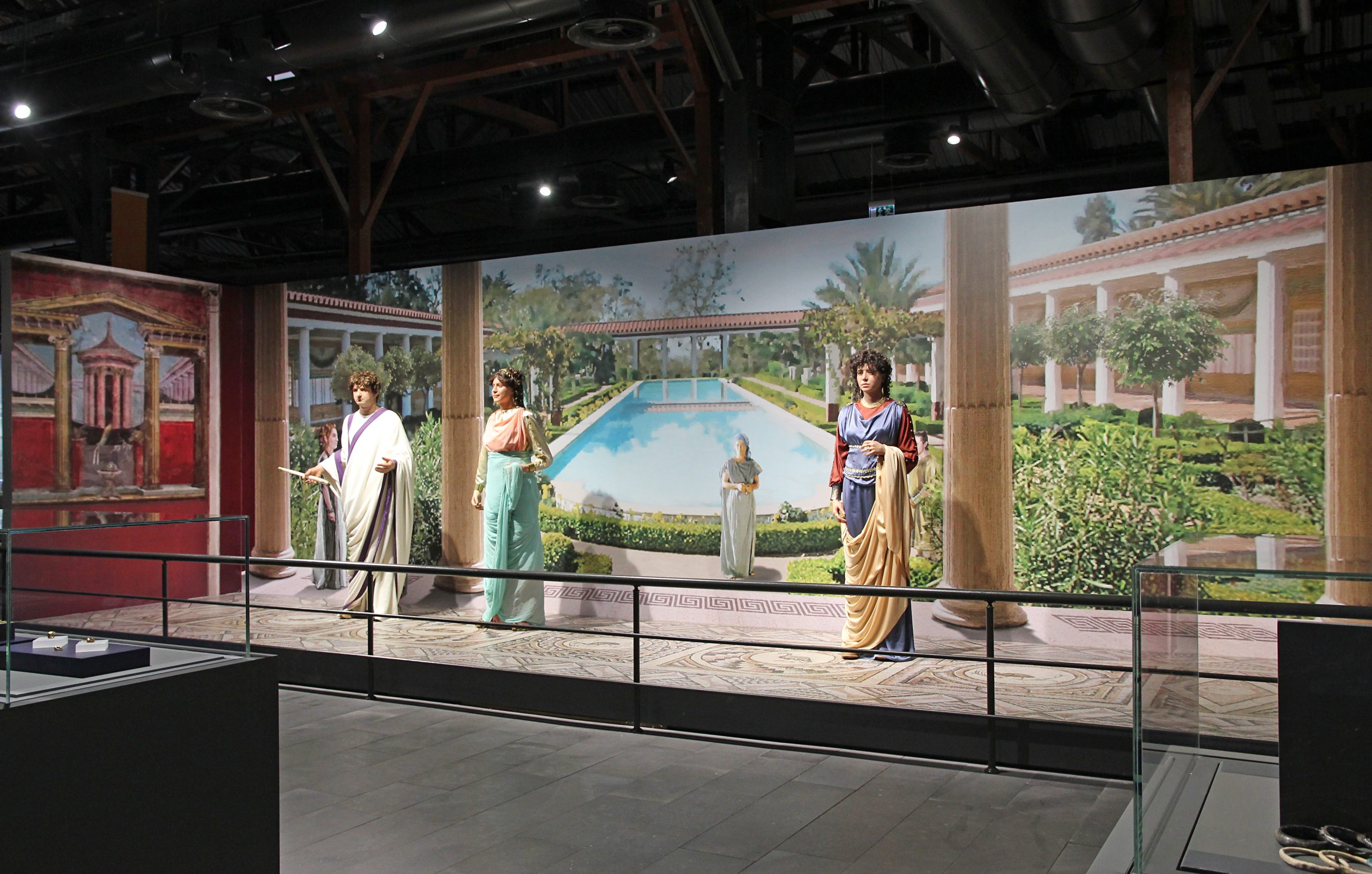
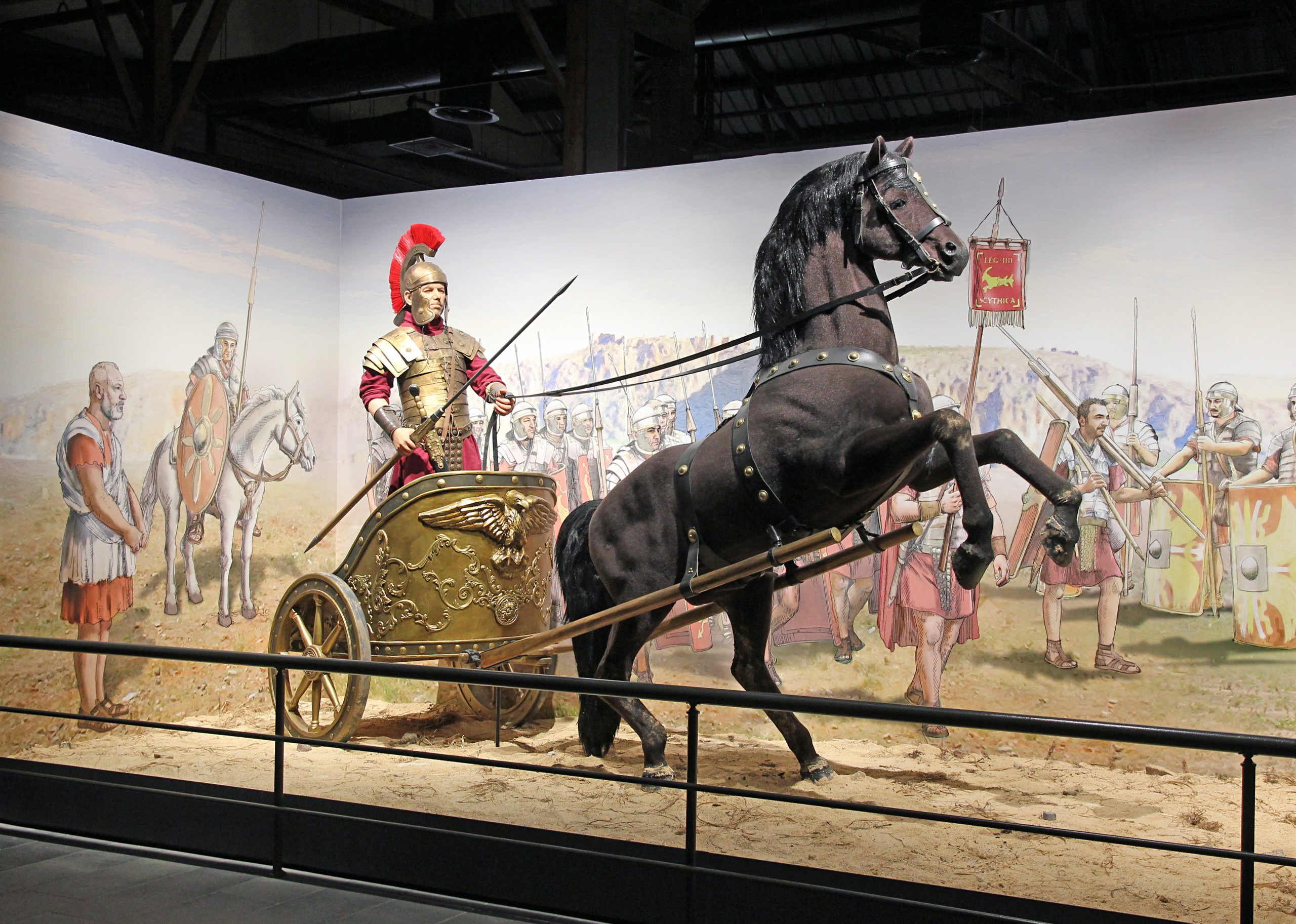
After extensive restoration, the Adana Archaeological Museum reopened within the Adana New Museum Complex on May 18, 2017. Today, the museum is organized into eight thematic halls, guiding visitors chronologically from the Prehistoric Period to the Ottoman era through immersive displays supported by texts, dioramas, and visual reconstructions.
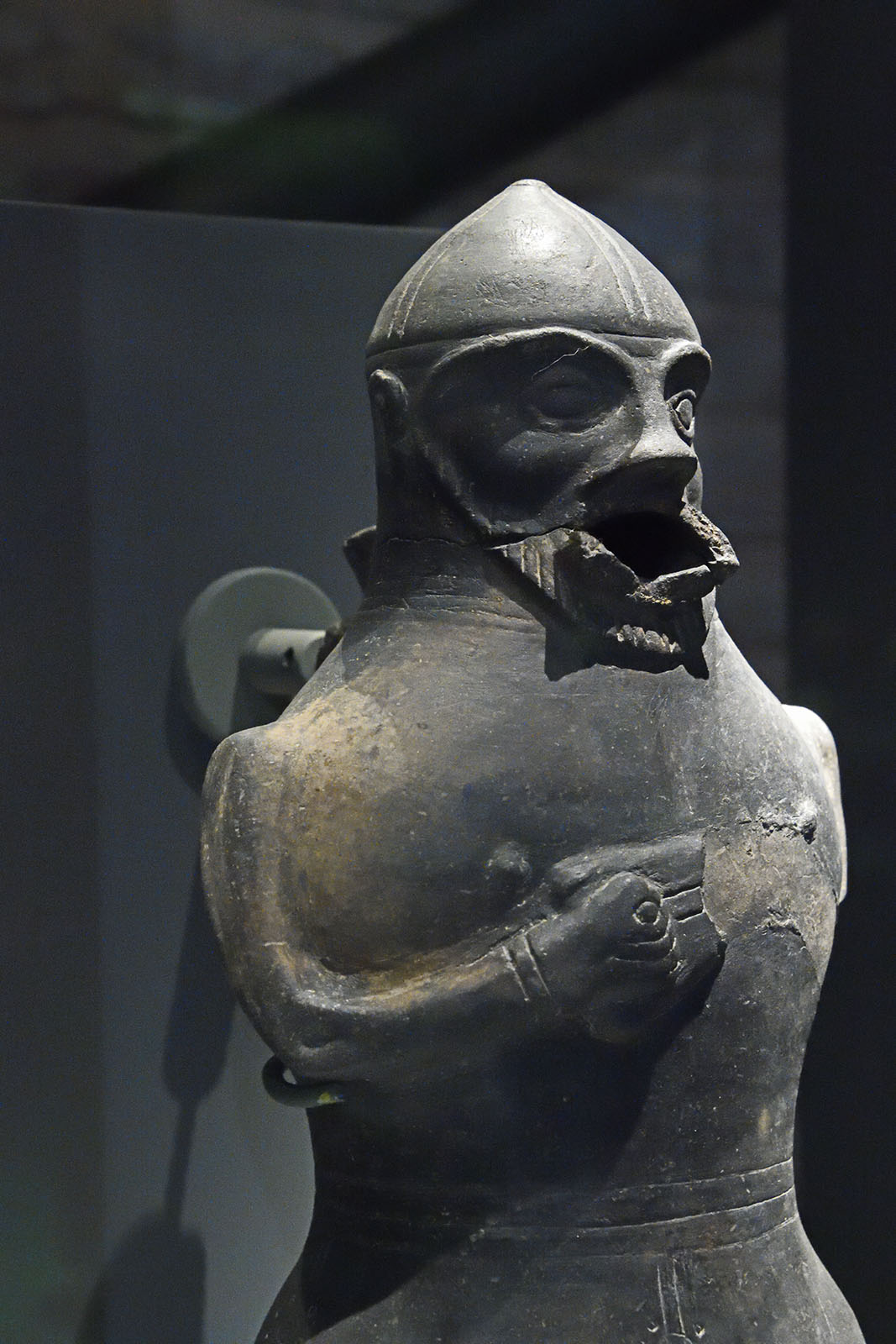
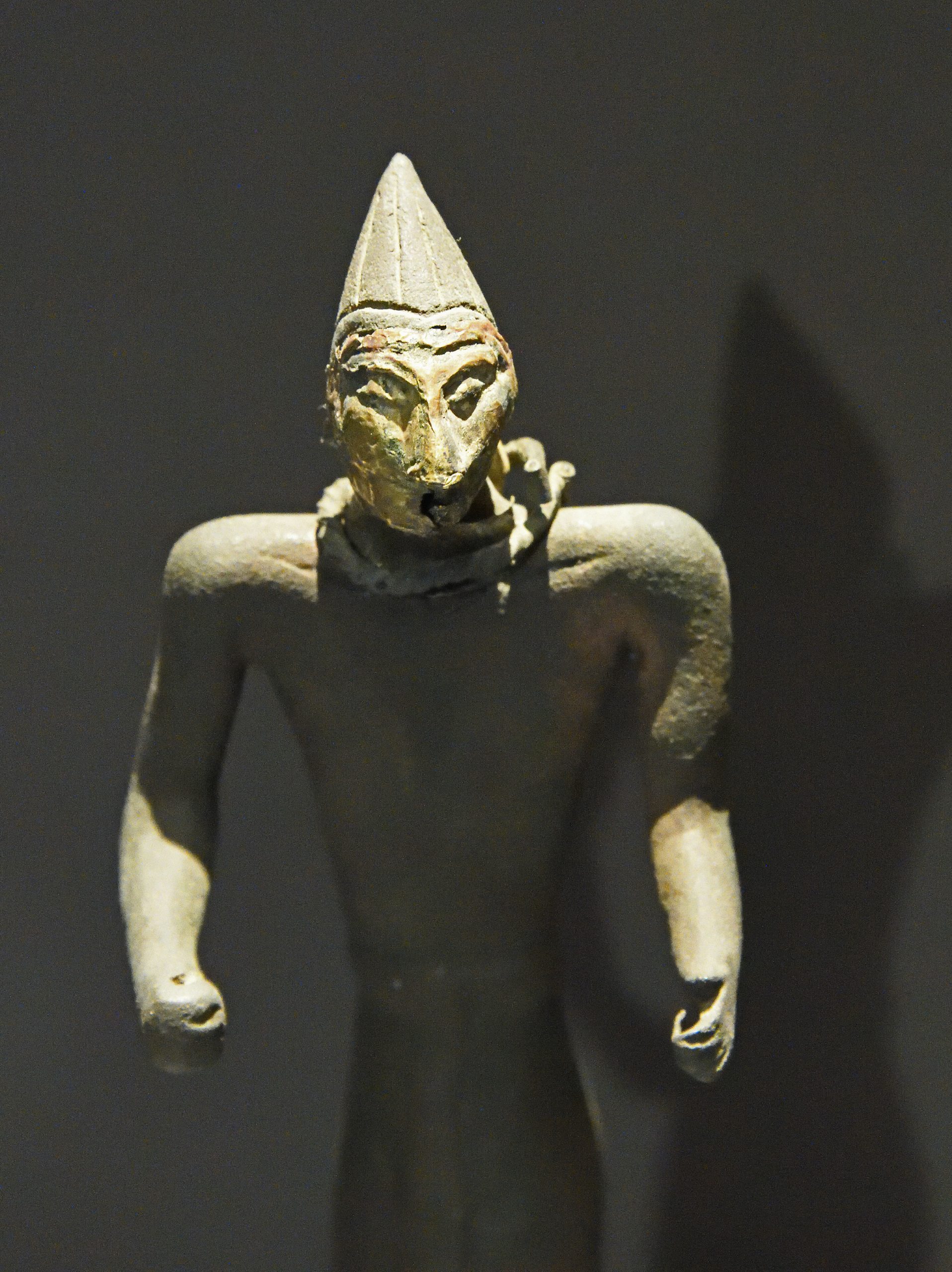
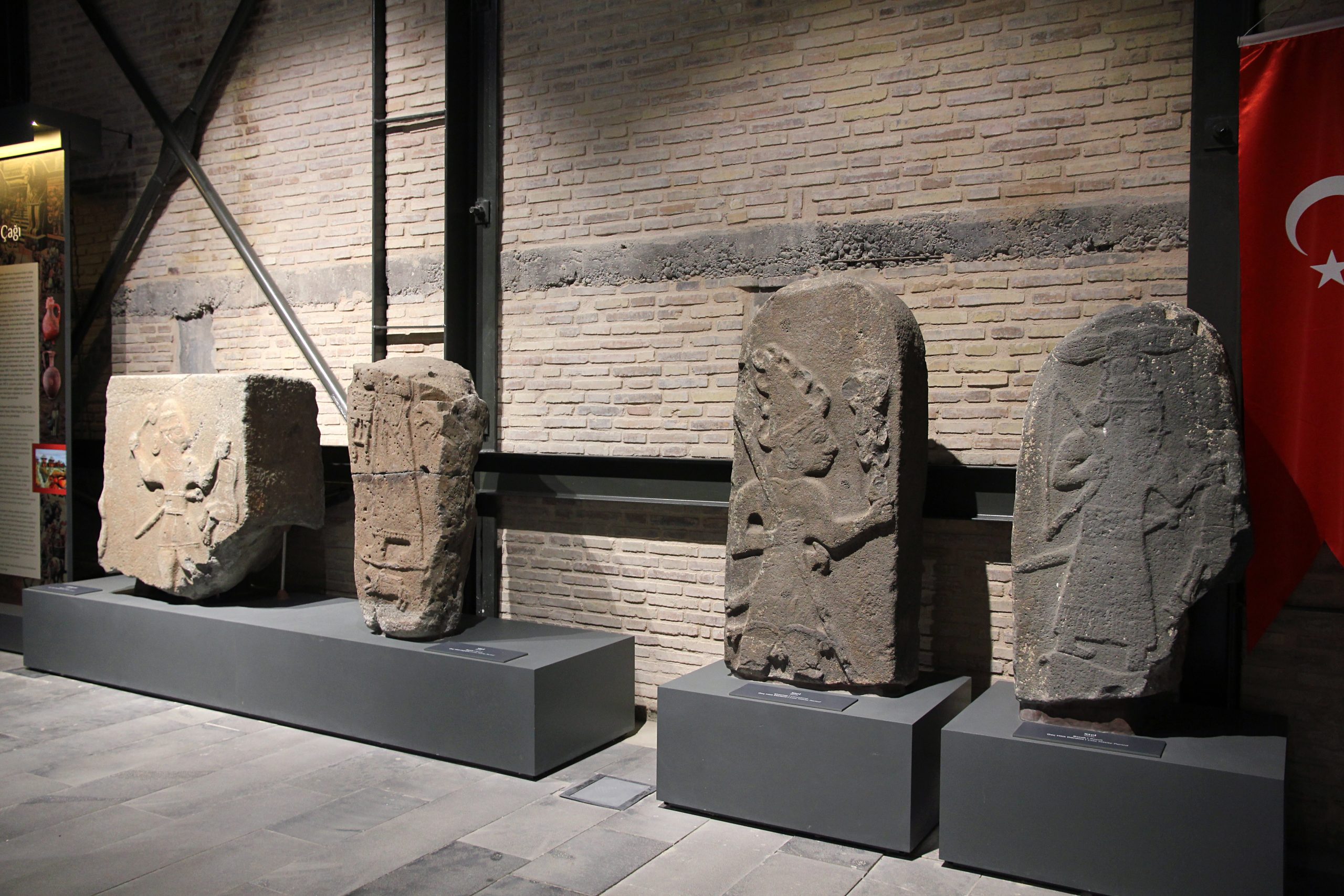
The collection reflects the extraordinary diversity of Cilicia (Çukurova), a region shaped by rivers, fertile plains, and trade routes linking Anatolia, Mesopotamia, and the Mediterranean. Exhibits include prehistoric tools, Hittite, Assyrian, Archaic, Hellenistic, Roman, Eastern Roman (Byzantine), Seljuk, and Ottoman artifacts, along with sarcophagi, steles, altars, busts, inscriptions, terracotta and bronze vessels, oil lamps, figurines, seals, and jewelry crafted from glass, bronze, and gold.
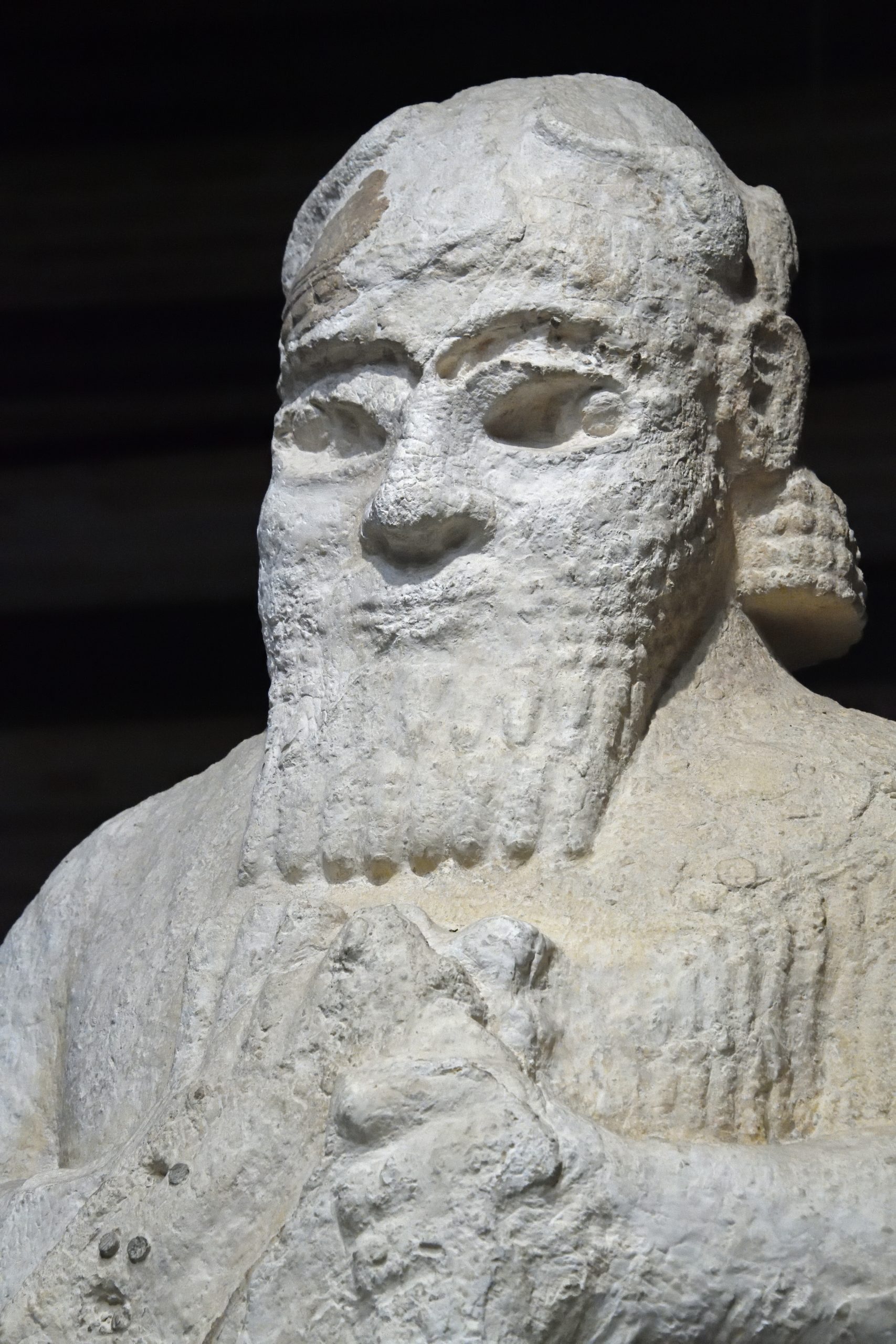
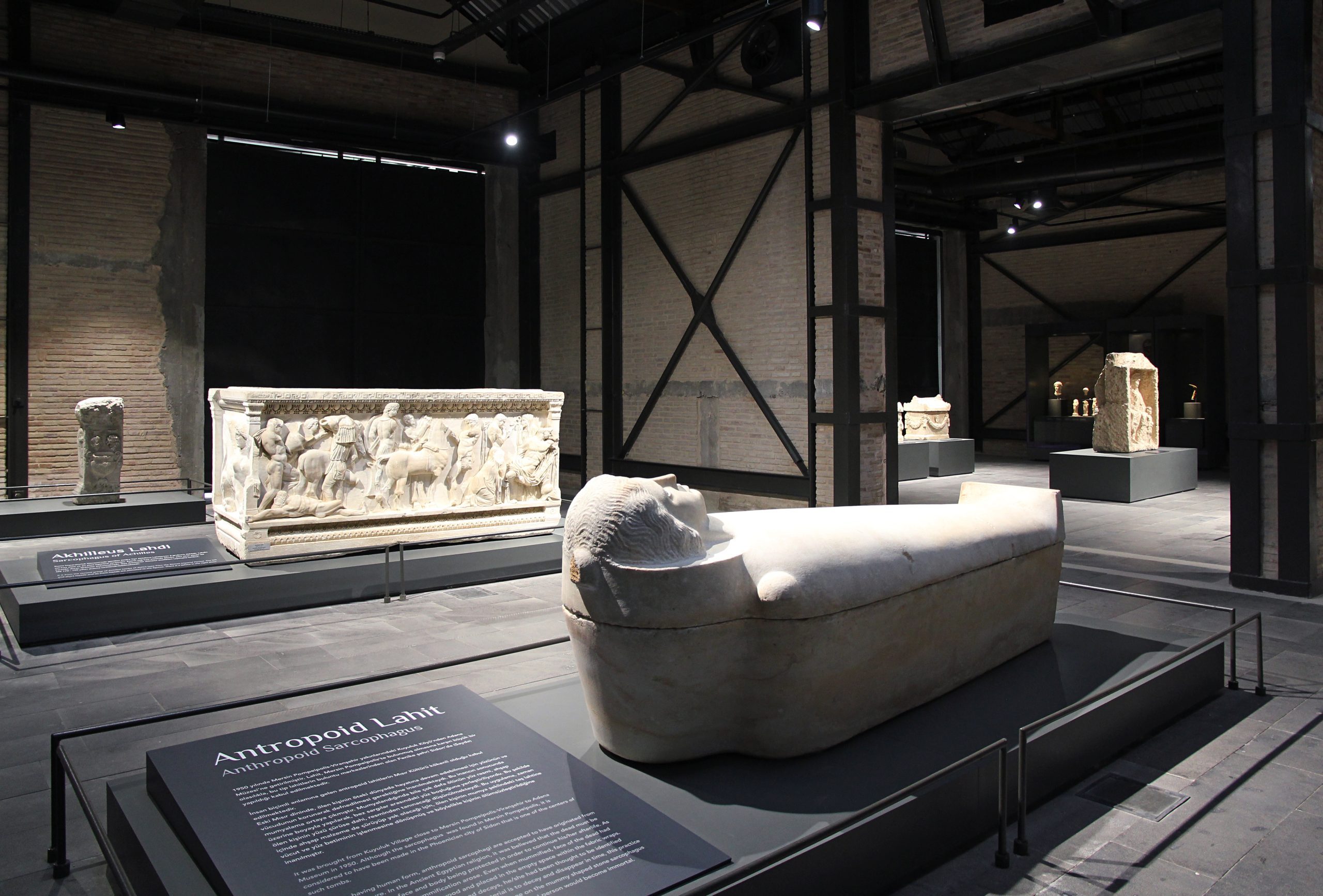
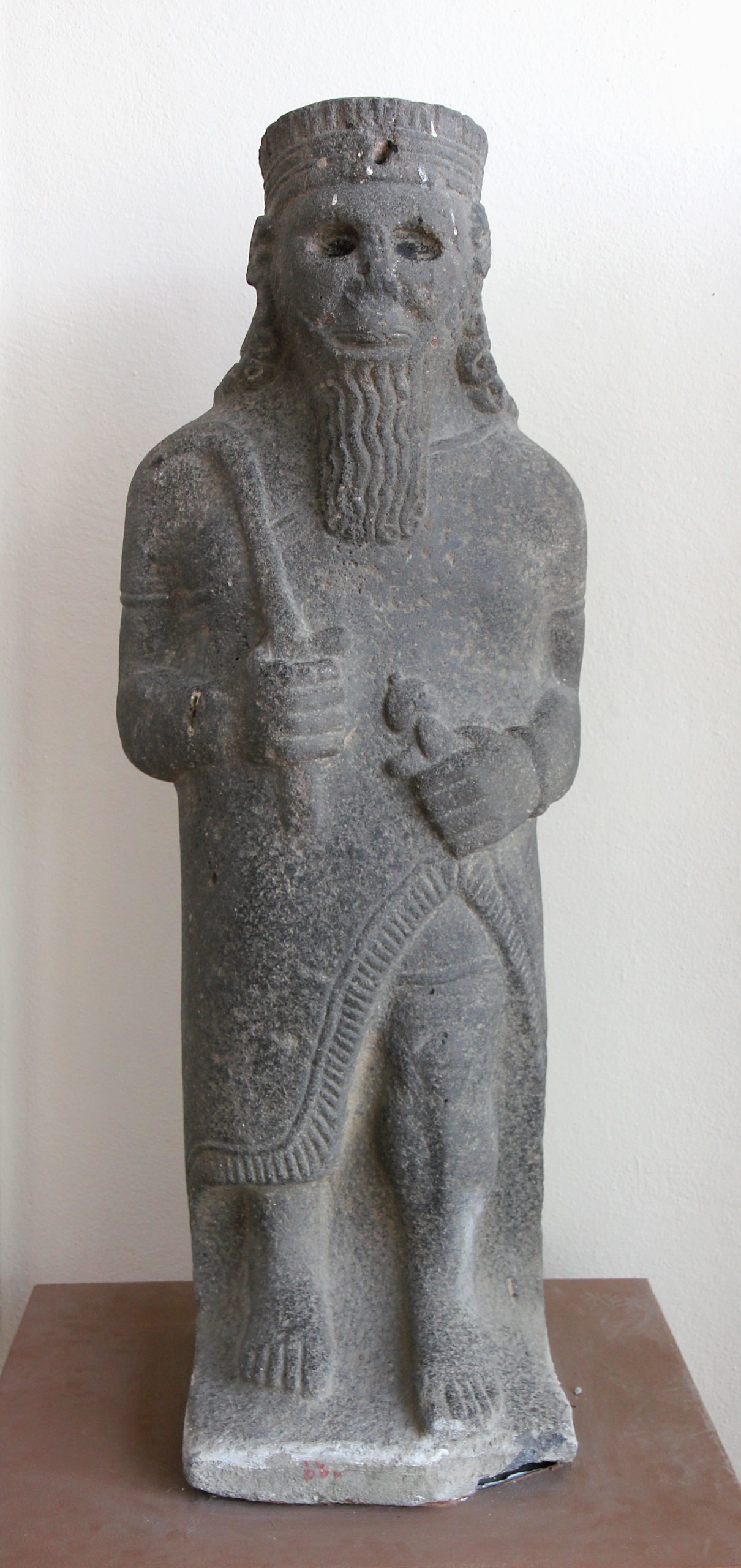
Among the museum’s most significant works are the Hittite Storm God Tarhunda statue, the Anatolian Hieroglyphic Inscription Stele, a rare Babylonian Stele, the Bronze Male Statue from Karataş, and the Roman marble Anthropoid Sarcophagus and Achilleus Sarcophagus, all of which highlight Çukurova’s artistic and political importance across millennia.
More than a repository of artifacts, the Adana Archaeological Museum represents a layered narrative—where ancient civilizations, early Republican ideals, and industrial heritage converge. As part of a museum complex planned to include archaeology, mosaics, ethnography, agriculture, industry, and city museums, it is envisioned as one of the largest museum complexes in Türkiye and the Middle East, positioning Adana as a major cultural hub of the eastern Mediterranean.
Things to Do at Adana Archaeological Museum
Explore eight chronological and thematic exhibition halls
View iconic Roman sarcophagi and large-scale sculptures
Learn about Hittite and Cilician history through inscriptions
Discover the restored National Textile Factory architecture
Combine archaeology with Adana’s urban heritage
How to Get There
By Car: Located in Seyhan, easily accessible from Adana city center
By Public Transport: City buses and minibuses stop nearby
By Train: Adana Train Station is within short driving distance
By Air: Adana Şakirpaşa Airport is approximately 10 minutes away
Best Time to Visit
Best Months: Year-round
Tip: Morning visits are ideal, especially during hot summer months
Nearby Attractions
Taşköprü (Stone Bridge)
Sabancı Central Mosque
Atatürk Park
Adana Cinema Museum
Anavarza Ancient City
Misis (Mopsuestia) Ancient City
Reviews And Comments
Suggested Listings
Adana Atatürk House Museum

Anavarza Ancient City, Adana

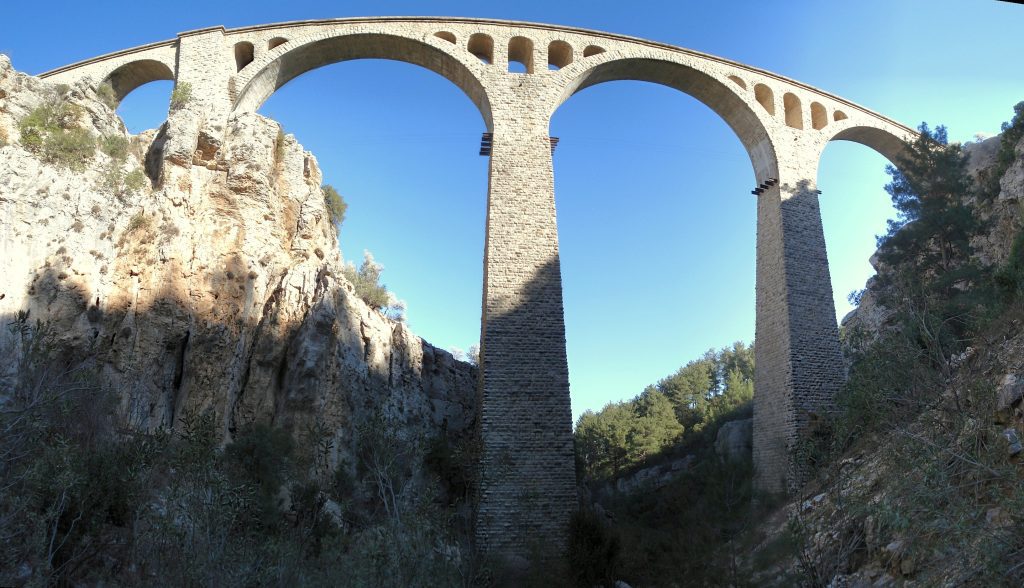
Varda Viaduct – Adana, Türkiye
Not rated yet.
Why don't you register your impressions?