


Where Myth Meets Stone
| MMonday | 09:00 AM - 18:00 |
| TTuesday | 09:00 AM - 18:00 |
| WWednesday | 09:00 AM - 18:00 |
| TThursday | 09:00 AM - 18:00 |
| FFriday | 09:00 AM - 18:00 |
| SSaturday | 09:00 AM - 18:00 |
| SSunday | 09:00 AM - 18:00 |
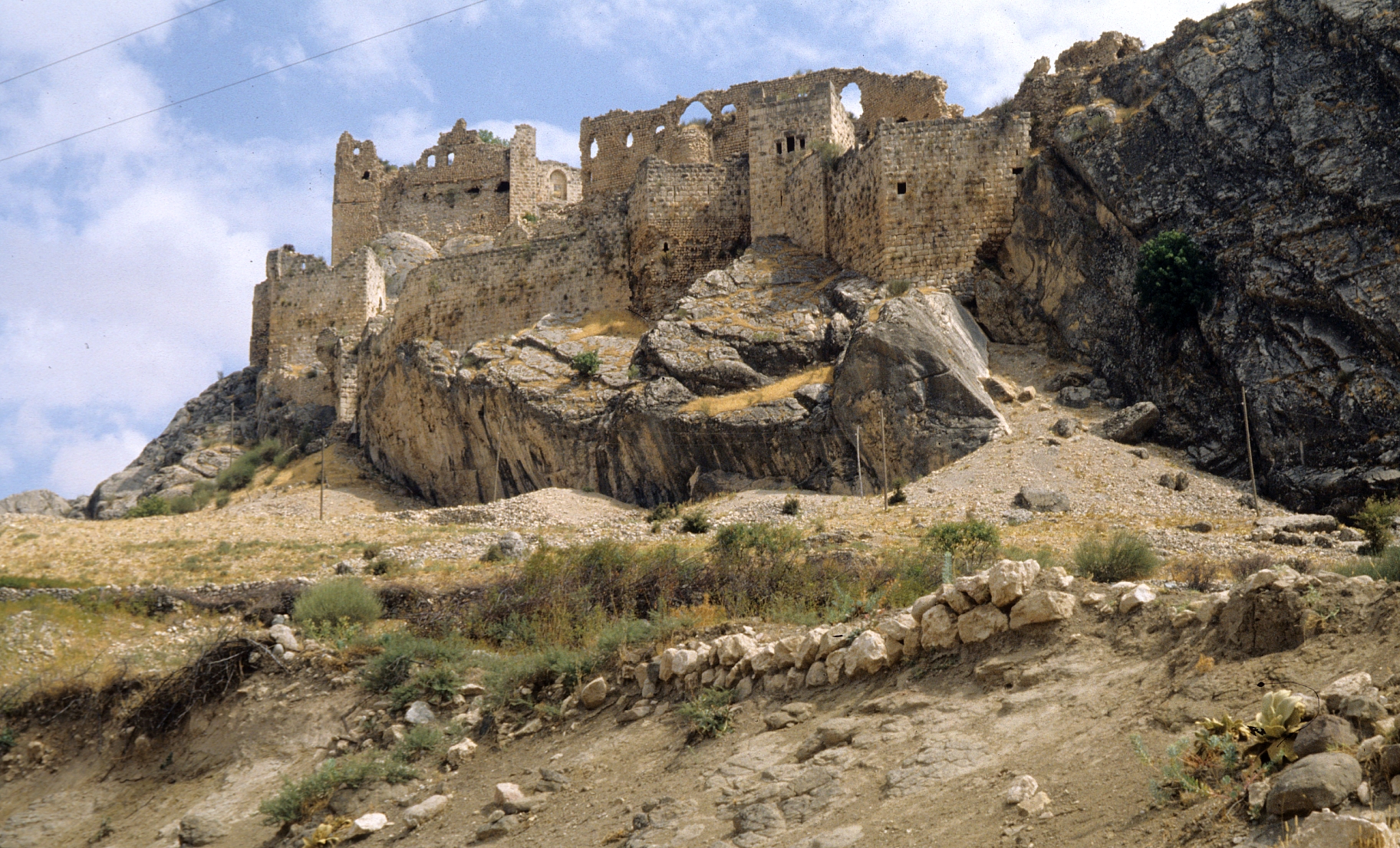
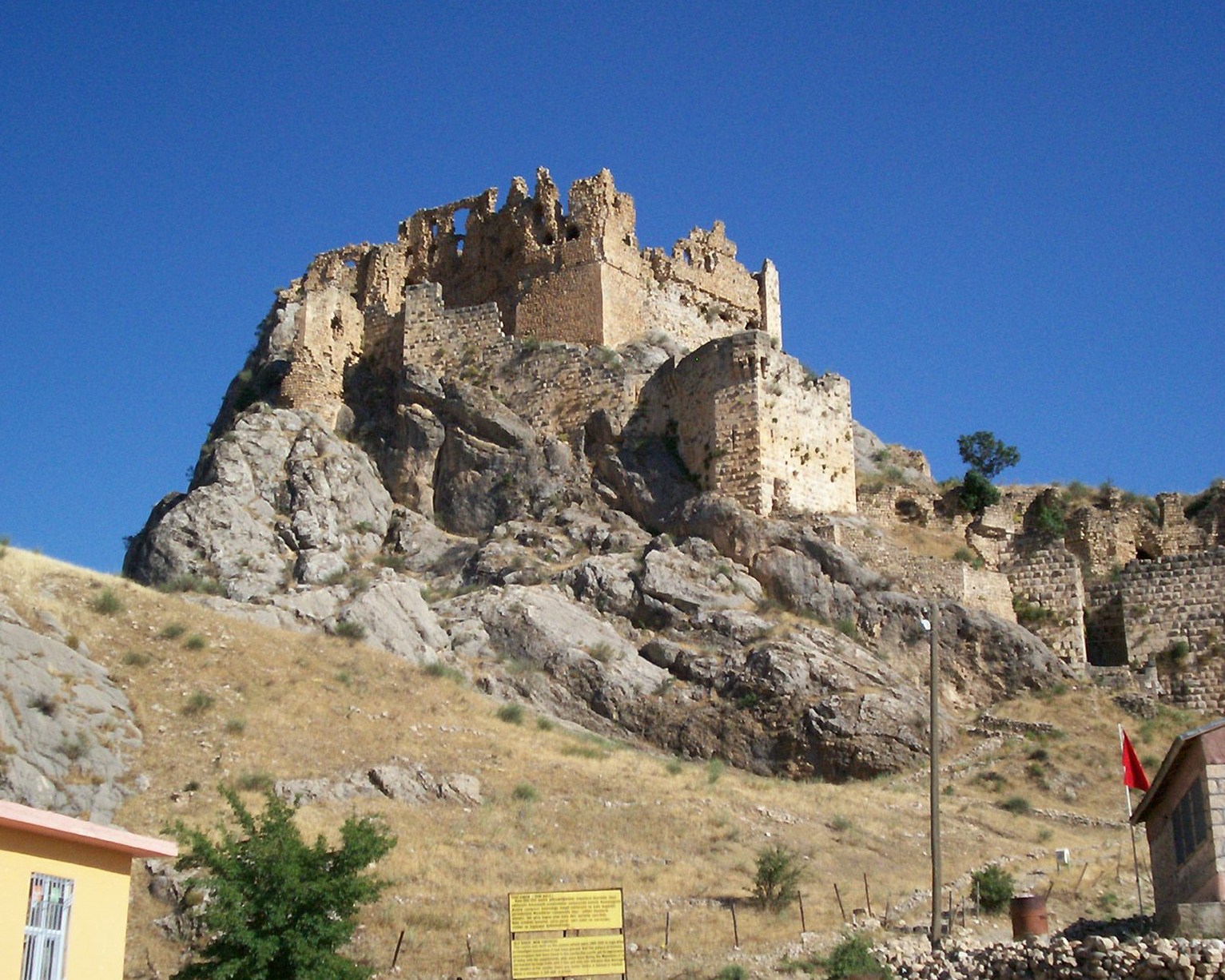
Perched on the slopes of Mount Nemrut, overlooking the Kahta River, the ancient city of Arsameia (also spelled Arsameia on the Nymphaios) is a hidden archaeological gem in Adıyaman, southeastern Türkiye. Once the summer capital of the Commagene Kingdom, Arsameia is a place where mythology, political ambition, and sacred rituals left their indelible marks on stone.
A Glimpse into the Past: The Commagene Legacy
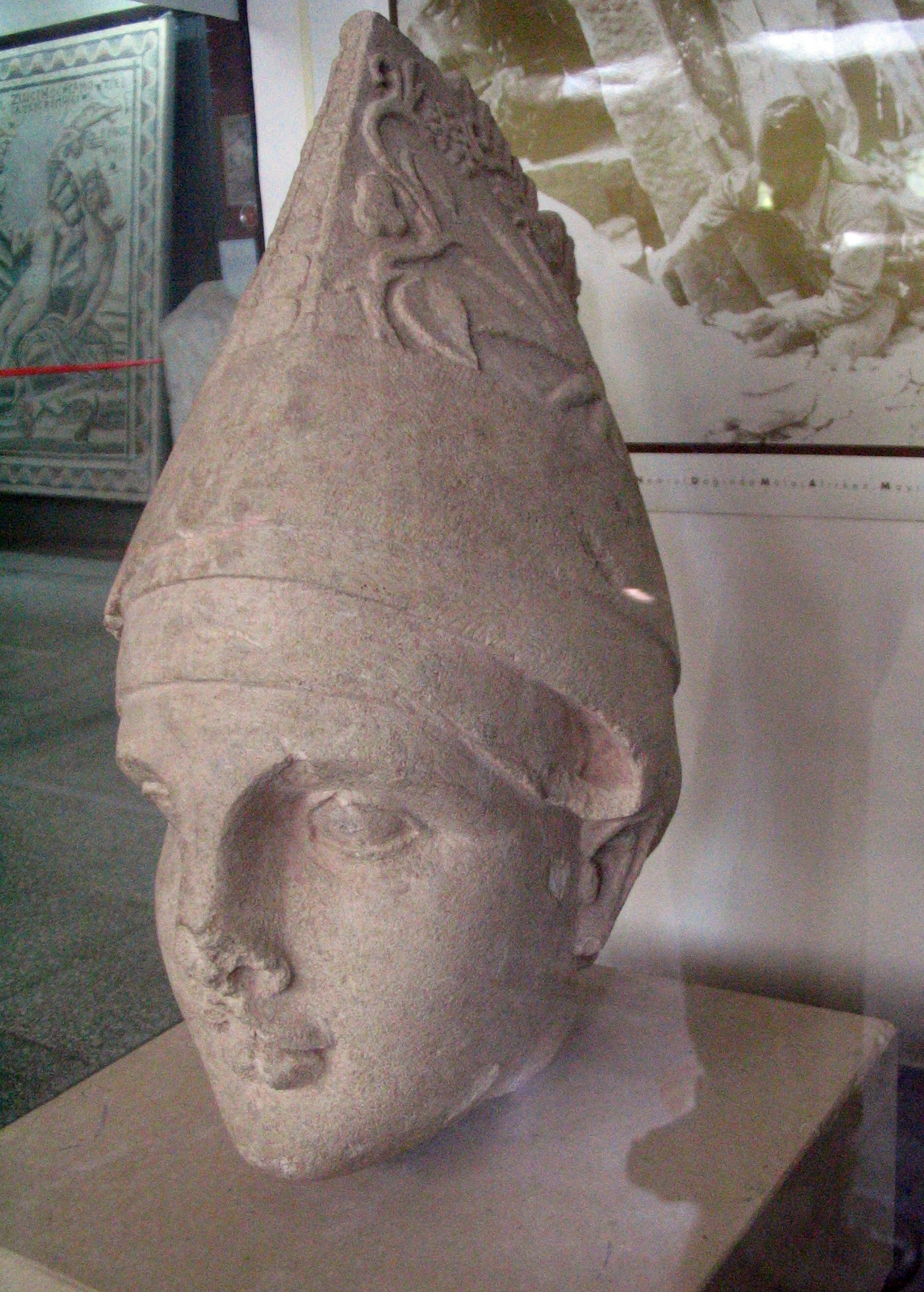
Founded in the 2nd century BCE by King Arsames I of Commagene, Arsameia served as both a religious and administrative center. However, it was King Antiochus I Theos (69–36 BCE), the most renowned ruler of the kingdom, who transformed the site into a dynastic cult center. It became the place where rulers honored their ancestors and associated themselves with gods, a tradition deeply tied to the unique Greco-Persian culture of Commagene.
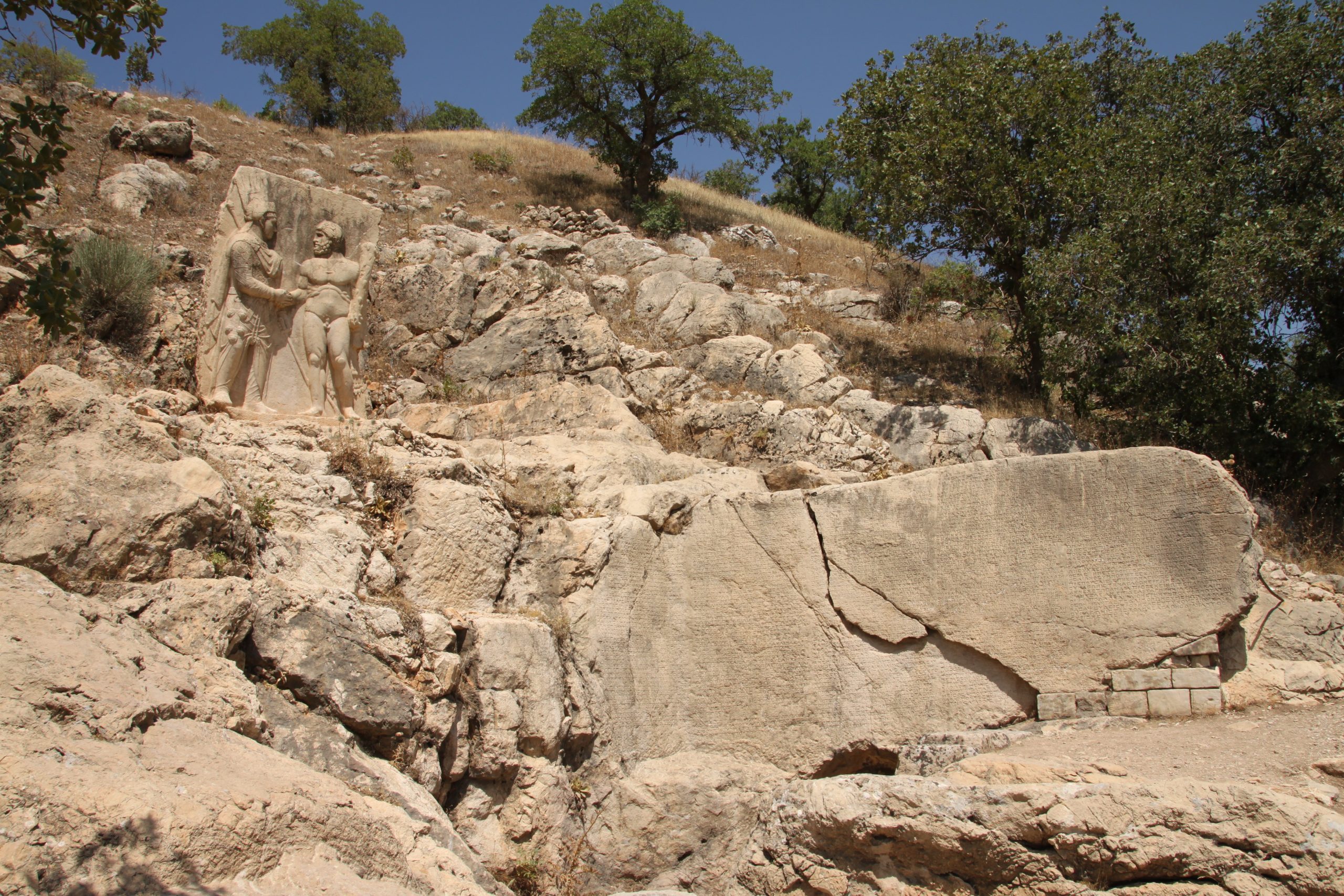
The city holds special significance because of its rock reliefs and inscriptions carved into the mountain face — among the longest known Greek inscriptions in Anatolia. These inscriptions, praising gods and ancestors, reveal not only religious devotion but also the political genius of Antiochus, who blended Eastern and Western traditions to legitimize his reign.
Architectural Highlights: Rock Reliefs and Subterranean Mysteries
Arsameia is not a sprawling city of ruins but rather a sacred sanctuary etched into rock. The most remarkable features include:
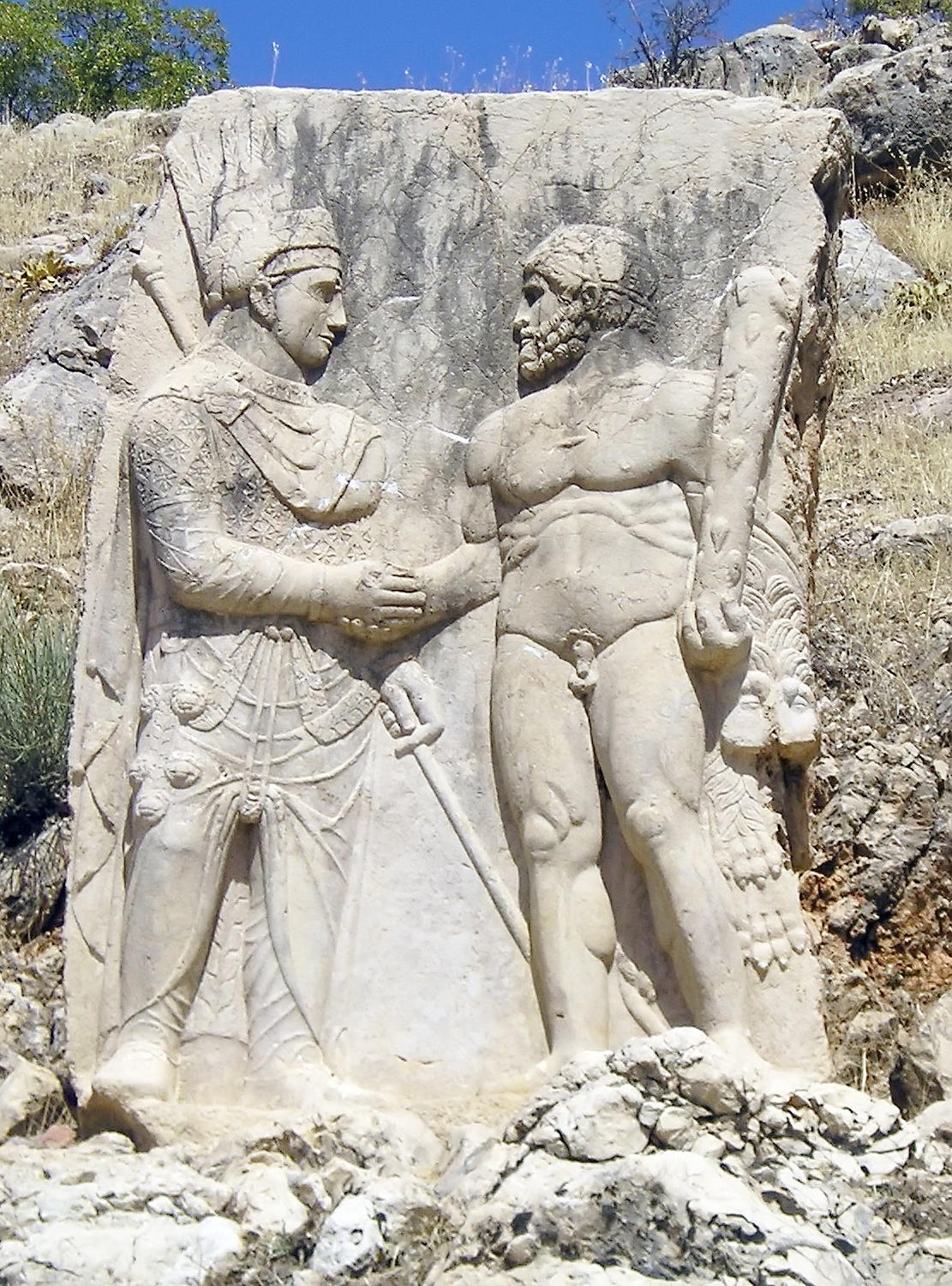
The Relief of King Mithridates I Callinicus shaking hands with Heracles, symbolizing divine connection.
The colossal relief of Antiochus I, along with detailed Greek inscriptions explaining the purpose of the site.
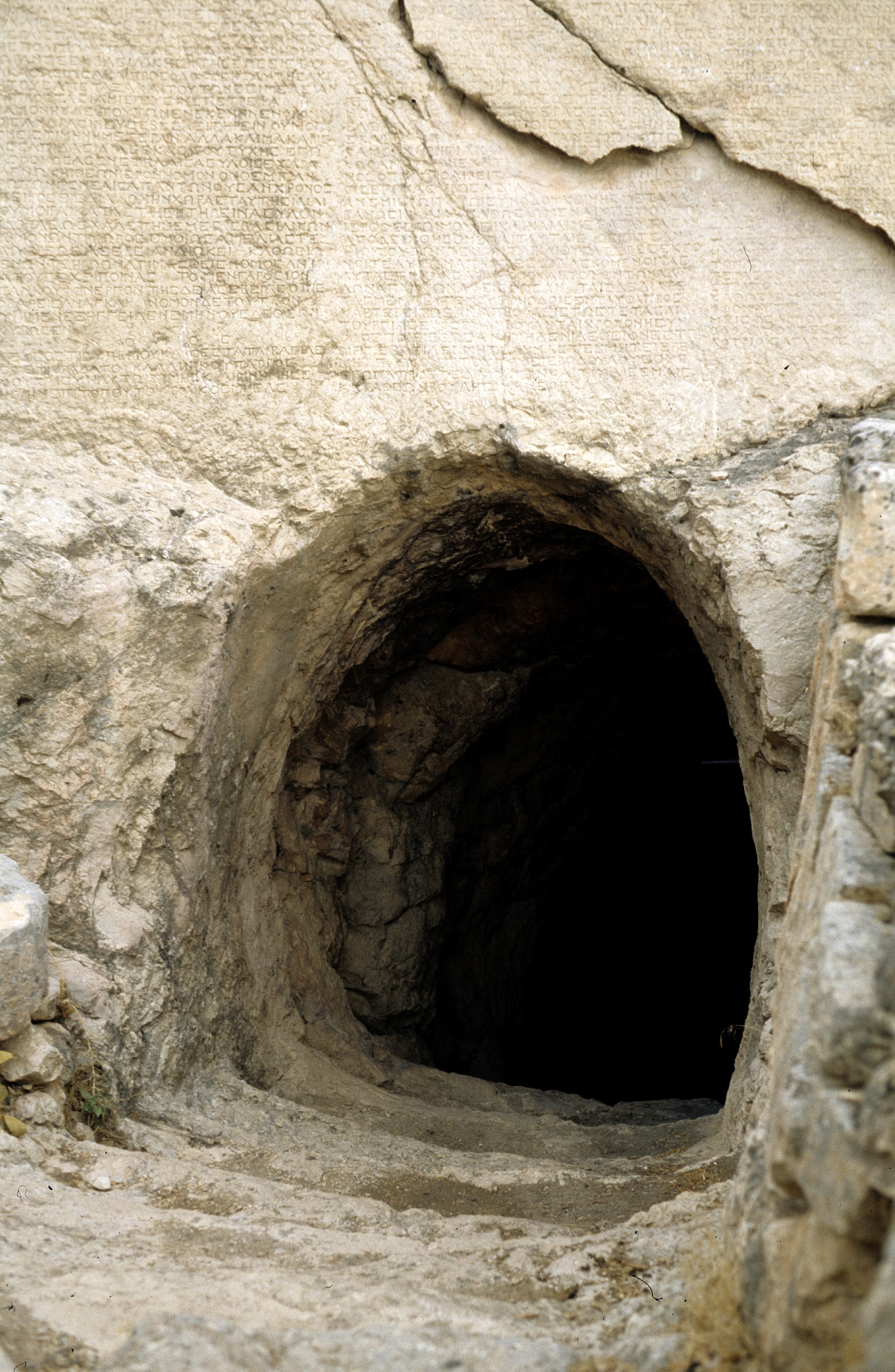
An underground tunnel, descending nearly 160 meters, whose function is still debated — possibly a ceremonial path, a crypt, or a sacred chamber. Descending into its darkness is both thrilling and eerie.
The city’s layout and art reflect a deep blend of Hellenistic style and Persian religious symbolism, especially visible in the handshake reliefs — a common motif that expresses unity between mortal and divine.
Things to Do in Arsameia
Explore the reliefs and inscriptions: Bring a flashlight and try reading parts of the long Greek texts etched into the stone.
Venture into the underground tunnel: Not for the claustrophobic, but a must-see for adventure-seekers.
Photograph Mount Nemrut in the distance: Arsameia is part of the Nemrut National Park area, offering panoramic views of the surrounding mountains.
Connect the mythological dots: Learn how gods like Zeus, Apollo, and Heracles became part of the Commagene identity.
Best Time to Visit
The best months to explore Arsameia are April through June and September to October, when the temperatures are mild and the landscape is alive with color. Summer months can be extremely hot, and winter snow may make the path slippery or inaccessible.
How to Get There
Arsameia is located about 13 kilometers east of Kahta in Adıyaman Province, and just a short detour from the road leading to Mount Nemrut.
By Car: From Kahta, it’s a 20-minute drive. The road is narrow and winding but paved and accessible.
By Tour: Most Mount Nemrut tours include a stop at Arsameia, along with other key Commagene sites like the Cendere Bridge and Karakuş Tumulus.
By Public Transport: Local minibuses go to Kahta from Adıyaman city, but you’ll need a taxi or rental from Kahta to reach Arsameia.
A Personal Note: Standing Among Gods and Kings
Walking up the hillside path of Arsameia, surrounded by ancient stone, you might feel the past breathing beneath your feet. The silence is profound — broken only by wind and the occasional call of a bird. It’s easy to imagine Antiochus himself, preparing offerings in the early morning light. This is not just a sightseeing stop; it’s a ritual site, and standing there, you become part of a story written over 2,000 years ago.
Browse The Map
Reviews And Comments
Suggested Listings
Severan Bridge (Cendere Köprüsü) – Adıyaman

Karakuş Tumulus, Adıyaman

Mount Nemrut (Nemrut Dağı), Adıyaman

Not rated yet.
Why don't you register your impressions?