


Contact
- Binbirdirek, At Meydanı Cd No:53, 34122 Fatih/İstanbul
- info@allabouturkiye.com
| MMonday | Open 24 Hours |
| TTuesday | Open 24 Hours |
| WWednesday | Open 24 Hours |
| TThursday | Open 24 Hours |
| FFriday | Open 24 Hours |
| SSaturday | Open 24 Hours |
| SSunday | Open 24 Hours |
Serpent Column (Yılanlı Sütun) – Sultanahmet Square
The Serpent Column, known in Turkish as Yılanlı Sütun, is one of the oldest surviving monuments in Istanbul. It stands today in Sultanahmet Square, the former site of the ancient Hippodrome of Constantinople, where it has remained for more than 1,600 years.
The column was originally created in ancient Greece around 478 BC to commemorate the victory of the Greek city-states over the Persian Empire at the Battle of Plataea. The monument once formed part of a sacred tripod dedicated to Apollo, the Greek god of light and prophecy, at his sanctuary in Delphi.
The bronze column was designed as three intertwined serpents rising upward, whose heads supported a golden tripod bowl used for religious offerings. The names of 31 Greek city-states that fought against the Persians were engraved along the coils of the serpents, making the monument both a religious dedication and a historical record of the alliance.
In 324 AD, Emperor Constantine the Great ordered the column to be transported from Delphi to his newly founded capital, Constantinople. It was placed in the Hippodrome, the city’s grand arena used for chariot races, public ceremonies, and imperial celebrations. By displaying such an important Greek monument in his new capital, Constantine symbolically connected the Roman Empire with the legacy of classical Greek civilization.
Although the monument originally included a golden tripod, this part was lost long before the column was moved to Constantinople. The three serpent heads survived for many centuries but were damaged and broken during the early 18th century. Today only a portion of one serpent head survives, which is preserved and displayed in the Istanbul Archaeology Museum.
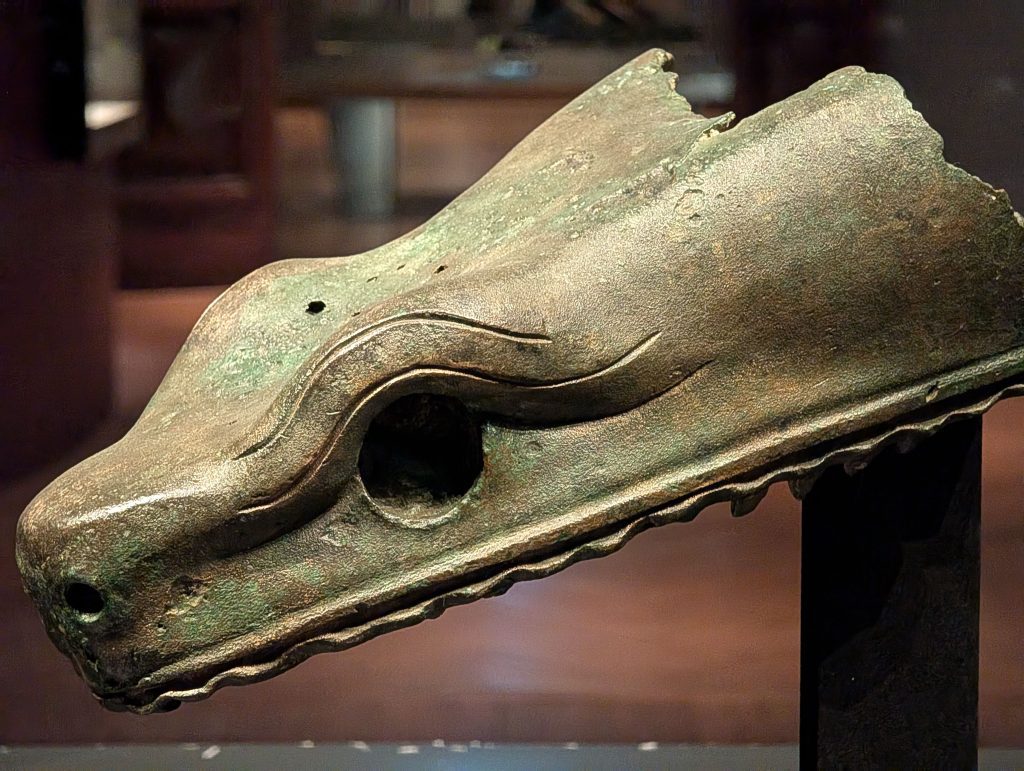
Despite earthquakes, fires, and centuries of political change, the Serpent Column has survived as one of the most remarkable relics of the ancient world in Istanbul. Visitors walking through Sultanahmet Square can still see the twisted bronze column standing near other famous monuments of the former Hippodrome, including the Egyptian Obelisk and the Walled Obelisk.
As a monument connecting ancient Greece, the Roman Empire, and Byzantine Constantinople, the Serpent Column remains an important symbol of the long and complex history of Istanbul.
Browse The Map
Reviews And Comments
Suggested Listings
Maiden’s Tower (Kizkulesi)

Bosphorus Strait Istanbul

Anatolian Fortress (Anadoluhisarı)

Not rated yet.
Why don't you register your impressions?