


Contact
- Balat, Mürselpaşa Cd., 34087 Fatih/İstanbul
- +90 (0212) 248 09 21
- info@allabouturkiye.com
| MMonday | 09:00 AM - 17:00 |
| TTuesday | 09:00 AM - 17:00 |
| WWednesday | 09:00 AM - 17:00 |
| TThursday | 09:00 AM - 17:00 |
| FFriday | 09:00 AM - 17:00 |
| SSaturday | 09:00 AM - 17:00 |
| SSunday | 09:00 AM - 17:00 |
Bulgarian St. Stephen Church – The Iron Church of Istanbul
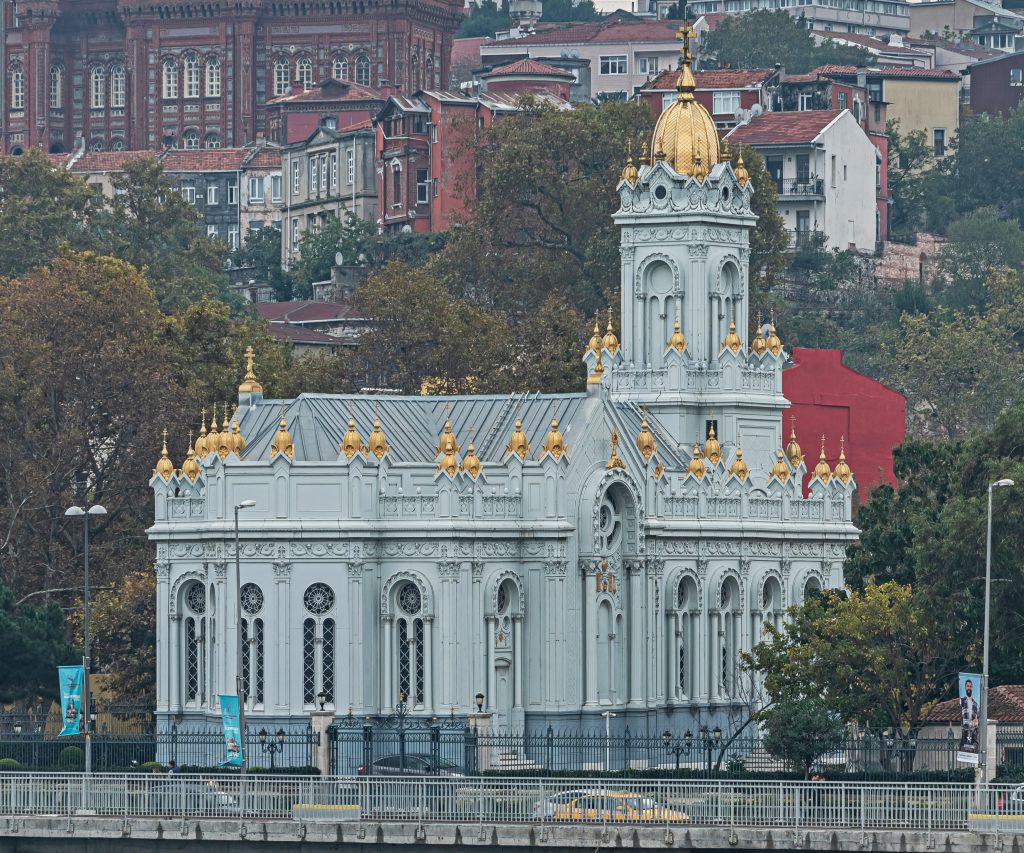
The Bulgarian St. Stephen Church, often known as the Iron Church, is one of the most unusual religious buildings in Istanbul. Located on the shores of the Golden Horn in the historic Balat district, the church is famous for being constructed almost entirely from cast iron.
Its elegant architecture and unique construction make it one of the most remarkable examples of 19th-century prefabricated architecture in the world.
Today the church serves the Bulgarian Orthodox community in Istanbul and remains an important cultural and religious landmark.
History of the Bulgarian St. Stephen Church
The church was built during the late Ottoman period to serve the Bulgarian Orthodox community living in Istanbul.
Because the ground along the Golden Horn was relatively unstable, architects decided to use cast iron instead of heavy stone or concrete, making the structure lighter and easier to assemble.
The prefabricated iron pieces were manufactured in Vienna and transported to Istanbul by ship via the Danube River and the Black Sea.
The components arrived in 1896, and the church was assembled at its current location within approximately one and a half years, officially opening in 1898.
Architecture of the Iron Church
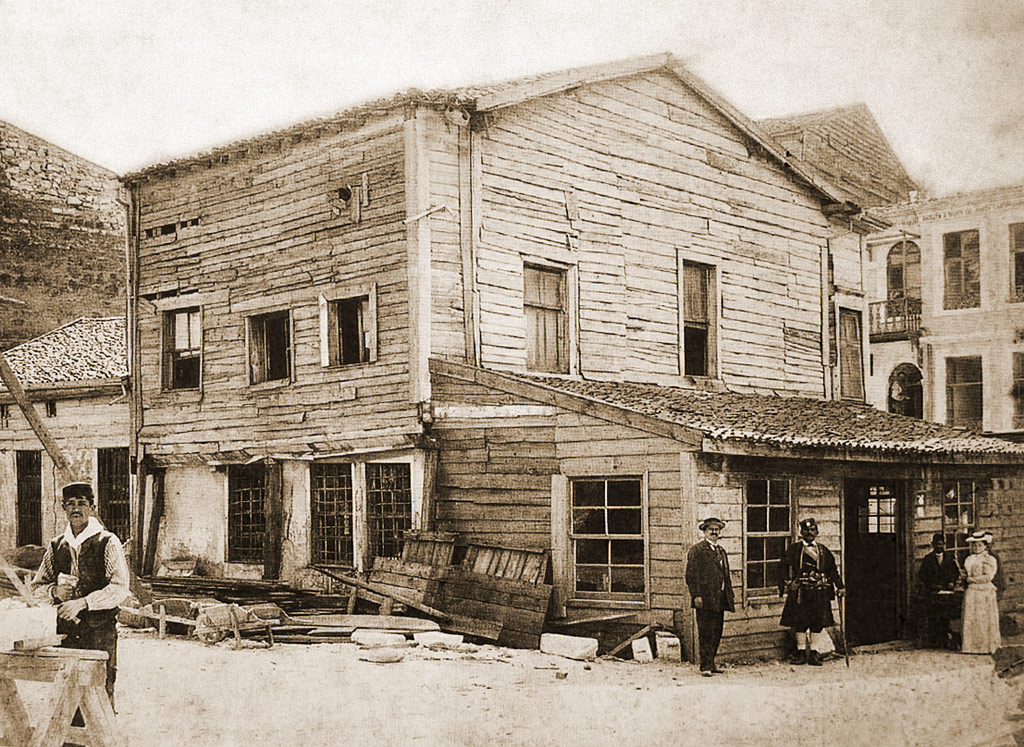
The building stands within a courtyard surrounded by decorative railings, facing the waters of the Golden Horn.
Unlike traditional stone churches, the structural framework consists of steel support profiles covered with cast iron plates.
The prefabricated iron elements were carefully assembled on site, creating an elegant building with rich decorative details.
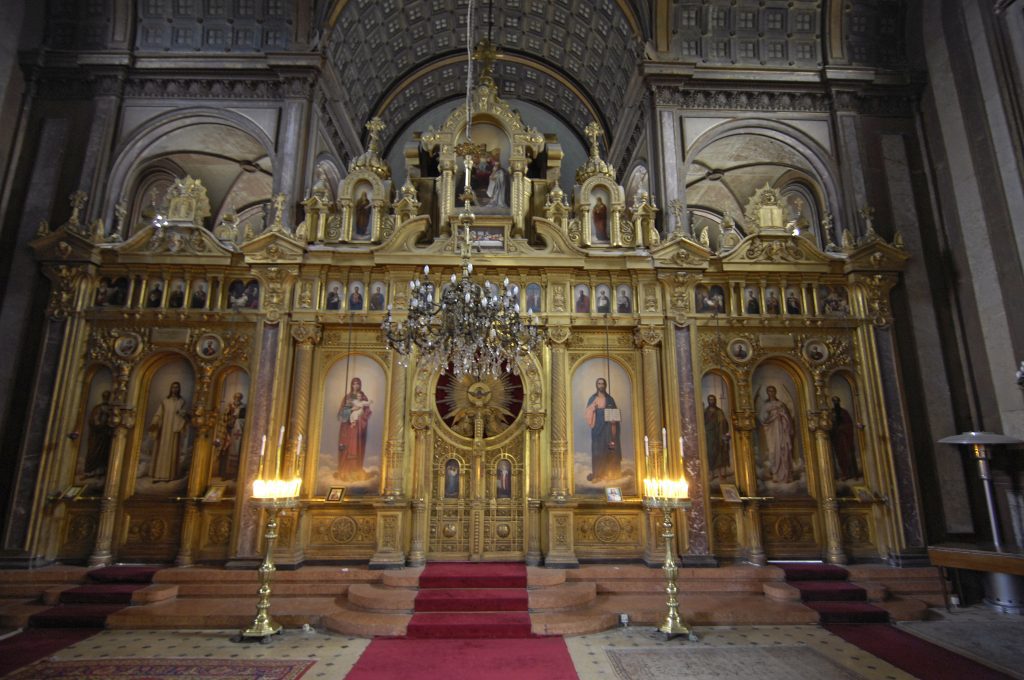
The exterior features elaborate neo-Gothic and neo-Baroque ornaments, while the interior includes an ornate iconostasis and colorful decorations typical of Orthodox churches.
The Bulgarian Community in Istanbul
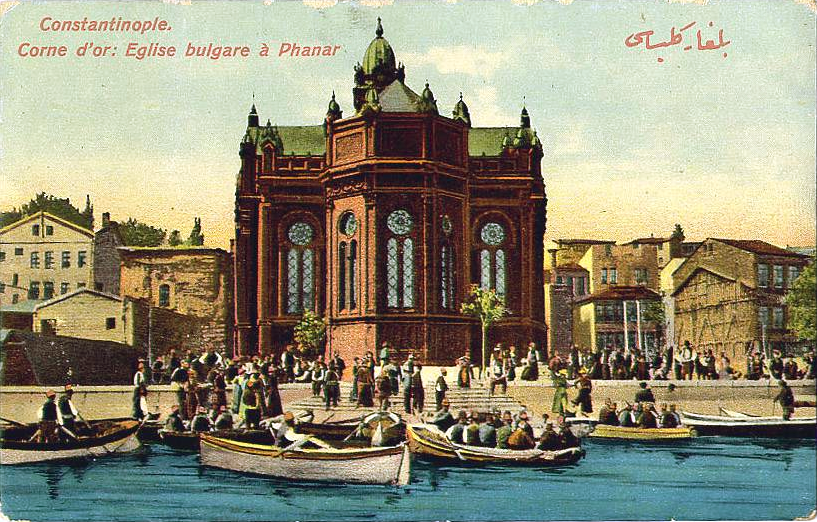
The church has long served as the spiritual center of the Bulgarian Orthodox community in Istanbul.
Within the church grounds, several important religious figures are buried, including:
Partheniy Zografski
Their tombs are carefully preserved inside the church.
The building continues to symbolize the historical presence of the Bulgarian community in Istanbul.
Quick Facts About Bulgarian St. Stephen Church
Location: Balat district, Istanbul
Built: 1896–1898
Architectural Type: Prefabricated iron church
Material: Cast iron and steel
Nickname: Iron Church
Community: Bulgarian Orthodox Church
Special Feature: Prefabricated structure produced in Vienna
Best Time to Visit
The church can be visited throughout the year.
Morning hours are usually quieter and provide better lighting for photography, especially along the Golden Horn waterfront.
Spring and autumn are ideal seasons for exploring the historic Balat and Fener neighborhoods.
How to Reach Bulgarian St. Stephen Church
The church is located along the Golden Horn waterfront in the Balat district.
By Bus
Several buses from Eminonu and Fatih stop near Balat.
By Metro
Visitors can take the M2 Metro Line to Halic Station and continue by bus.
Walking
The church can also be reached on foot while exploring the Balat and Fener districts.
Nearby Attractions
Several historical landmarks are located near the church.
Fener Greek Orthodox Patriarchate
The spiritual center of the Eastern Orthodox Church.
Balat Historic District
A colorful neighborhood famous for historic houses.
Chora Church (Kariye Mosque)
A Byzantine monument known for its mosaics and frescoes.
Tekfur Palace (Porphyrogenitus Palace)
One of the last surviving Byzantine palace structures.
FAQ
Why is Bulgarian St. Stephen Church called the Iron Church?
Because the building was constructed almost entirely from prefabricated cast iron elements.
When was the church built?
The current church was assembled between 1896 and 1898.
Where were the iron parts produced?
The iron components were manufactured in Vienna and transported to Istanbul by ship.
Can visitors enter the church?
Yes, visitors can enter the church while respecting religious practices.
Things to Know Before Visiting
The church is one of the few prefabricated iron churches in the world.
It stands directly on the Golden Horn waterfront.
The building was restored and reopened in recent years.
Visiting the church can easily be combined with exploring Balat and Fener districts.
Browse The Map
Reviews And Comments
Suggested Listings
St. Anthony of Padua Church

Hagia Triada Church Istanbul

Aya Yorgi Church and Monastery Buyukada

Not rated yet.
Why don't you register your impressions?